

Reviewed · DUBLIN CITY WALKING TOURS
Vikings In Dublin (Walking Tour)
The most interesting part of this Dublin walk is the way it connects ordinary city streets to the Norse settlement once known as Dubh Linn. You follow the route from a Viking longboat sculpture toward Christ Church Cathedral, Fishamble Street, Dublin Castle, and Trinity College, with the guide explaining how longships, markets, customs, and daily life shaped the city. I like the clear focus on Viking Dublin, rather than a general tour that merely gives the period a passing mention.
I also like the French-language guiding and the compact 1.5-hour format. The guide explains complex events in plain terms, answers questions carefully, and adds anecdotes that make the period easier to picture. The main drawback is that this is a short outdoor walking tour, so it offers an overview rather than a long visit inside every landmark. Also, the route information gives Trinity College as the finish, while the meeting details say the activity ends back at the starting point, so confirm the final drop-off point before booking.
Key points to know before you book
- The tour starts beside a Viking longboat sculpture: Betty Newman Maguire’s 1988 work, Báite, gives you an easy and memorable meeting point.
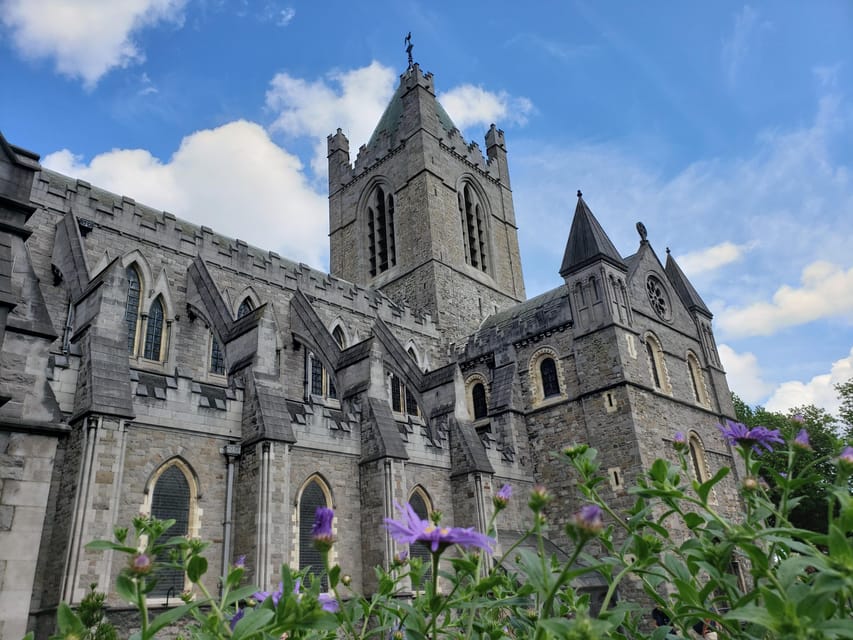
- Christ Church Cathedral anchors the route: You’ll see one of Dublin’s key medieval landmarks while learning about the city’s Norse foundations.
- Fishamble Street adds a strong street-level connection: The route follows an area linked with old docks, markets, and the early city.
- The guide speaks French: This is important if you want the tour’s detail and humor delivered in French rather than English.
- The pace suits a short Dublin visit: In 90 minutes, you get a focused introduction without giving up half a day.
- Wheelchair access is available: The activity is listed as wheelchair accessible, though you should still confirm the exact route conditions when booking.
Starting beside Dublin’s Viking longboat
Your walk begins at Báite, the Viking Longboat sculpture, created by Betty Newman Maguire in 1988. This is more than a practical meeting point. It sets the subject at once, giving the tour a visual link to the Norse seafarers who navigated the Liffey and helped form the early settlement.
I like starting with an object rather than a ticket office or hotel lobby. You can gather your bearings quickly, meet the French-speaking guide, and begin with the basic question behind the tour: how did a seafaring people leave such a lasting mark on Dublin?
The opening section provides an overview of Dublin during the Viking period. You’ll hear about the Norse presence, their customs, and their influence on the city and on Ireland. The guide’s approach is not to paint the Vikings as simple raiders. Instead, you get a more careful picture of their society, motives, traditions, and role in local life.
That balance matters. Viking history is often reduced to ships, weapons, and raids. A good introduction also considers settlement, trade, family life, belief, and the practical work of building a city. This walk aims to give you that broader frame before moving through the streets.
More Dublin walking tours:
- Dublin Highlights and Hidden Gems Guided Walking Tour
★ 5.0 · 6,020 reviews - Dublin: Highlights and Hidden Gems Walking Tour
★ 4.9 · 2,140 reviews - 1916 Rebellion Walking Tour
★ 5.0 · 1,605 reviews
Christ Church Cathedral and the shape of old Dublin
Christ Church Cathedral is one of the main stops, and it gives the tour a strong architectural focus. The cathedral helps you see how Dublin changed over time, from an early Norse settlement to a medieval Christian city and later capital.
You should not expect the tour to function as a full cathedral visit with unlimited time indoors. Its purpose is to use Christ Church as a key point in the Viking story. The guide connects the building and its surroundings to the older settlement beneath and around modern Dublin, helping you read the area as more than a collection of historic walls.
I like this part because it links large public landmarks with less obvious traces. Dublin’s Viking past is not always visible in one dramatic ruin. It often survives through street patterns, place names, archaeological discoveries, and the location of old activity. A guide can make those connections easier to notice than you would on your own.
The cathedral stop is also useful for first-time visitors because it places the Viking quarter within Dublin’s wider center. After the tour, you’ll have a better sense of how close the main historic areas are to one another and why this part of town is so important.
Saint Audoen’s and the layers beneath the city

The route continues to Saint Audoen’s, another historic landmark where the guide adds detail about Dublin’s changing religious and civic life. The value here is not just the building itself. It is the chance to see how several periods overlap in a compact area.
The tour presents Viking Dublin as part of a longer story. Norse settlers did not create a city that remained unchanged. Dublin developed through new rulers, new beliefs, new buildings, and new patterns of trade. Saint Audoen’s helps show that the Viking period is one layer in the city’s past, not an isolated chapter.
This is where the guide’s teaching style matters. The strongest part of the experience is the effort to explain events clearly, without flattening the period into a simple good-versus-bad tale. You can ask questions, and the guide is prepared to address details about culture, customs, and the Vikings’ impact on the island.
If you have a particular interest in archaeology or medieval religion, ask questions early. The walk is short, so the guide has to keep moving, but the format leaves room for relevant questions and short anecdotes.
Fishamble Street and the practical life of a port city
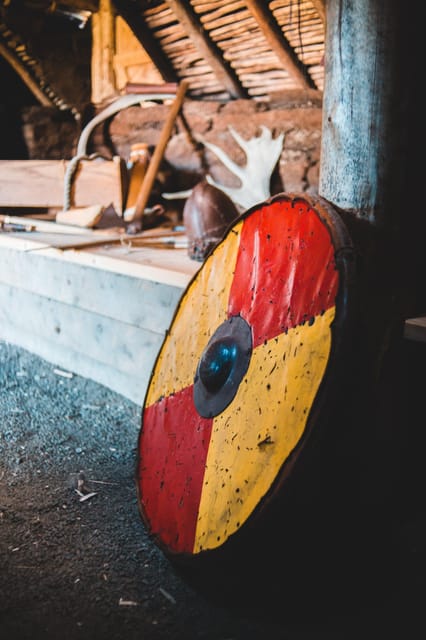
Fishamble Street gives the Viking story a more everyday setting. The tour uses this area to discuss the old city, its markets, and the places where longships and goods were part of Dublin’s working life.
This is one of the most useful stops for understanding the Vikings as settlers and traders, not only warriors. A port depends on movement: people arrive, goods change hands, and communities form around that activity. The guide’s explanation helps you picture Dublin as a place where Norse traditions met local Irish life.
You’ll also get a sense of why the city developed where it did. The Liffey and nearby routes made the area useful for navigation and commerce. Modern streets can hide that logic, but a guided walk gives you a way to connect the present layout with the earlier settlement.
Fishamble Street is not presented as a theme-park reconstruction. You won’t see Viking ships lining the road or actors pretending to be raiders. Instead, the interest comes from the gap between the ordinary street in front of you and the much older activity associated with it. That approach suits you if you prefer history explained in place rather than a staged show.
A completely different kind of day out of Dublin:
- Dublin to Cliffs of Moher, including Wild Atlantic Way and Galway
★ 5.0 · 23,331 reviews - From Dublin: Cliffs of Moher, Burren & Galway City Day Tour
★ 4.8 · 18,888 reviews - Dublin: Guinness Storehouse Entry Ticket
★ 4.6 · 16,863 reviews - Dublin to Cliffs of Moher, Burren, Wild Atlantic Way, Galway Tour
★ 5.0 · 12,924 reviews
Dublin Castle and the city that came after
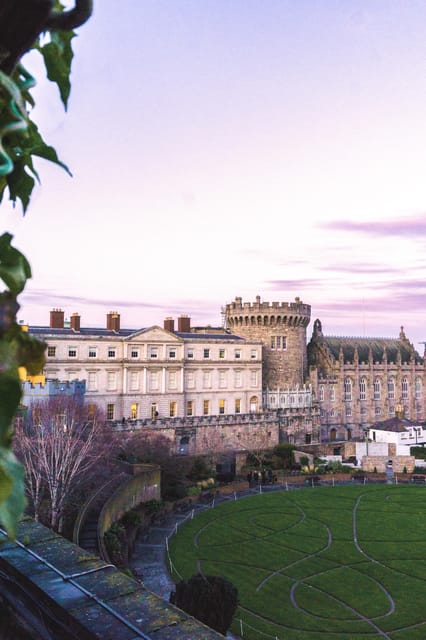
Dublin Castle adds another change of scale. The castle is associated with later political power, while the tour uses it to show how Dublin continued to develop long after the Viking period.
The guide places the Norse settlement within the city’s longer political history. This helps prevent a common mistake: imagining Viking Dublin as a complete city that appeared, flourished, and then simply vanished. The settlement left an influence, but the city was repeatedly reshaped by later institutions and rulers.
You should see this stop as a connecting point rather than a full castle tour. The walk is designed around Viking history, so the guide’s emphasis remains on the earlier period and its lasting effect. If Dublin Castle is a major priority for you, allow separate time to explore it beyond this short explanation.
I like having the castle in the route because it gives the story a useful contrast. Fishamble Street suggests trade and daily life. Christ Church brings religious and architectural change. Dublin Castle points to later government and authority. Together, the stops show how one small settlement became the center of a much larger city.
The less obvious stops and the walk toward Trinity
The itinerary includes a less obvious stop before the finish at Trinity College. The exact detail of this location is not specified, so you should think of it as an additional point for the guide’s interpretation rather than a named attraction you can plan around.
That uncertainty is not necessarily a weakness. A short historical walk often gains value from places you might pass without noticing. The guide can use a foundation, street corner, or local feature to explain how the Viking period survives in Dublin’s structure. Still, if you want a precise list of archaeological remains, ask for clarification before booking.
The route then moves toward Trinity College. The listed itinerary gives Trinity as the finish, placing the Viking story near one of Dublin’s best-known institutions. The meeting information also says the activity ends back at the meeting point, so confirm which description applies on your chosen departure.
That final location can be handy if you plan to continue sightseeing around central Dublin. If the walk returns to the original meeting point instead, you will still be in the central area. The important point is to avoid scheduling a tight connection immediately afterward until you know where the guide will finish.
What the French guide adds
This activity is specifically listed with a French-speaking live guide. That makes it a strong choice for French-speaking visitors who want more than translated labels or a written audio guide.
The guide’s style is described through the way the tour handles questions and historical detail. You can expect clear explanations, relevant answers, and anecdotes that keep the walk from becoming a list of dates. The focus is on the Vikings’ culture, customs, motivations, and impact, with attention to the complications of the period.
The guide is also able to adapt to a participant with a minor health problem. That suggests a considerate approach to the pace, though it does not promise a private tour or unlimited flexibility. If you have specific mobility needs, mention them when booking and confirm the route.
The language choice is the main practical filter. If you need English, this is not the right activity based on the information provided. If French is comfortable for you, the tour’s focused subject and question-friendly style make it more appealing.
Is $45 fair for 90 minutes?
At $45 per person, this is not the cheapest way to walk through central Dublin. The value depends on how much you want a specialist explanation rather than a general orientation tour.
You are paying for a guide-led route that ties several major places to one clear subject. Christ Church Cathedral, Saint Audoen’s, Fishamble Street, Dublin Castle, and Trinity College are all useful sights, but their Viking connections are not always obvious from the street. The guide supplies the links, context, and sequence.
The price makes more sense if you are especially interested in Norse culture, medieval Dublin, or the way cities grow through trade and settlement. It is less compelling if you simply want exterior views of Dublin’s famous buildings and do not care about the historical theme.
The 1.5-hour length helps the value. You can fit this walk into a morning or afternoon without losing a full day. It works well near the start of a Dublin visit, when you want a historical framework for later sightseeing. It also suits a short stay, provided you are comfortable paying a premium for a focused guide.
Who should book this walk?

I would choose this experience for a French-speaking visitor who wants a clear introduction to Dublin’s Norse past. It is also a good fit for anyone who prefers walking and explanation to museum displays or a large sightseeing bus.
Families with older children may appreciate the ships, markets, customs, and city-building themes, though the tour is still a history lesson rather than an entertainment show. People with a particular interest in medieval Ireland will get the most from asking questions at the stops.
The walk may not suit you if you want extensive indoor visits, a long archaeological tour, or a detailed treatment of every period in Dublin’s history. It is also not the right pick if you need an English-language guide.
The activity is listed as wheelchair accessible. Because the experience moves through city streets and the exact route conditions are not detailed, confirm the practical access points before you reserve. That small check is worthwhile if smooth movement is essential.
Final verdict: a focused Viking introduction with a useful route
You should book this tour if you want Dublin’s Viking story explained in French and prefer a short, place-based walk to a broad city overview. The strongest reasons are the focused route, the guide’s clear treatment of Viking society, and the way the stops connect old trade, religion, politics, and daily life.
I would skip it if you need a full cathedral or castle visit, want a longer archaeological experience, or prefer English guiding. Before paying, confirm the exact end point and starting time, then allow room for the guide to answer questions.
For the right audience, $45 buys more than a stroll past old buildings. It gives you a practical way to see Dublin as a city built in layers, with the Norse period still present in its streets and story.
FAQ
How long does the Vikings in Dublin walking tour last?
The tour lasts 1.5 hours. Starting times vary, so check availability for the date you want.
What language is the tour conducted in?
The live guide speaks French. The activity information lists French as the available language.
Where does the tour start?
The meeting point is beside Báite, the Viking Longboat sculpture by Betty Newman Maguire.
Where does the tour finish?
The route information lists Trinity College as the finish, while the meeting details say the activity ends back at the meeting point. Confirm the final location when booking.
Is the walking tour wheelchair accessible?
Yes. The activity is listed as wheelchair accessible. You should still confirm the route details if you have specific access requirements.
Can I cancel or pay later?
You can cancel up to 24 hours before the activity for a full refund. A reserve-now, pay-later option is also available.
Just added around Dublin
- Wicklow: Private Day Tour from Dublin★ 5.0 · 5 reviews
- Wicklow Mountains Private Day Tour including Glendalough★ 5.0 · 7 reviews
- Wicklow Mountains & Glendalough Luxury Private Day Tour★ 5.0 · 23 reviews
- Wicklow tour of Glendalough★ 4.5 · 8 reviews
- Women Of Ireland: Trailblazers & Pioneers★ 5.0 · 4 reviews
- Dublin To Kilkenny Castle Waterford Crystal Private Car – Day Tour★ 5.0 · 8 reviews
- Waterford Crystal and Kilkenny Full-Day Rail Tour from Dublin★ 5.0 · 3 reviews
- Full Day Private Wicklow Tour★ 5.0 · 12 reviews
Dublin City Walking Tours, compared.
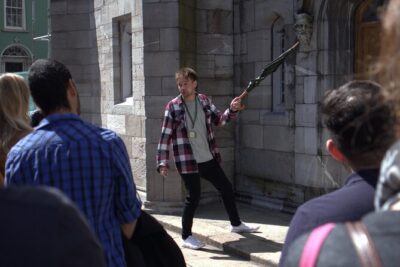
Dublin Highlights and Hidden Gems Guided Walking Tour
Read our review →
90 Minute Dublin Walking tour and Sightseeing tips
Read our review →

Historical 2-Hour Guided Walking Tour of Dublin
Read our review →
Dublin Traditional Irish 3 Course Meal Walking Tour with Local
Read our review →
Browse the lists this tour appears in