
Reviewed · DUBLIN CASTLE AND HISTORIC CITY TOURS
Historical 2-Hour Guided Walking Tour of Dublin
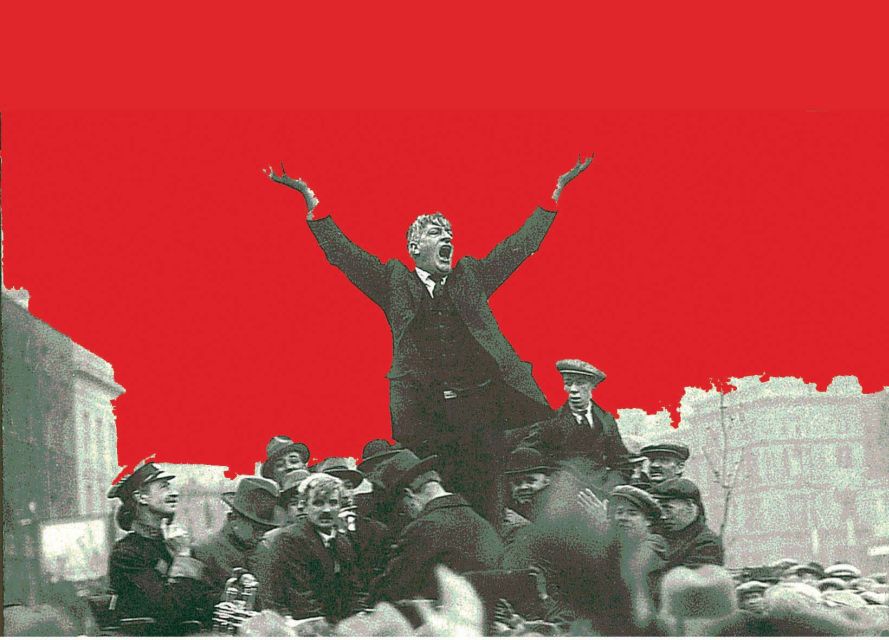
Dublin’s past comes at you quickly on this two-hour historical walk, from medieval power struggles to the 1916 Rising and the Northern Ireland Peace Process. The route links major sights with the events that shaped them, so you are not just looking at old stone. You are learning why it matters.
I like the guides’ academic grounding and their lively delivery. I also like the price, $22, which is fair for a focused introduction to central Dublin. The one catch is pace: there is a lot to absorb, and you will spend two hours on foot with names, dates, and political history coming thick and fast.
Key points at a glance
- Start at the Henry Grattan Statue: Meet opposite Trinity College’s front gate, an easy central location.
- See Dublin’s historic core: The route includes Dublin Castle, Temple Bar, City Hall, and the Medieval City.
- Learn the story behind the sights: Topics include the American and French revolutions, the Potato Famine, the 1916 Rising, and the War of Independence.
- Expect a witty guide: Trinity College Dublin and University College Dublin history graduates lead the walk, with guides such as Daragh, Colm, Jodie, Eoin, and Jody Fitzpatrick praised for clear storytelling and humor.
- Plan for an English history lesson on foot: The tour is wheelchair accessible, but English is the only stated language.
- Pay $22 for a broad overview: You do not enter the State Apartments at Dublin Castle, so this is a street-level history tour rather than a castle interior visit.
Why this Dublin history walk works
The best thing about this tour is its sense of proportion. Dublin and Irish history can feel like a pile of disconnected dates: Viking settlement, English rule, rebellion, famine, independence, partition, and peace talks. A good guide turns that pile into a sequence. This tour is designed to do exactly that in two hours.
I especially like the way the walk connects international events to Irish politics. The American and French revolutions are not treated as distant textbook material. They help explain the ideas that circulated in Ireland and influenced Irish political movements. Later, the Potato Famine, the 1916 Rising, and the War of Independence bring the story into sharper focus.
The guides also seem to understand that facts alone are not enough. Jody Fitzpatrick, for example, has been described as combining history with acting skills, while Colm has used songs and personal anecdotes to make certain events easier to remember. Daragh is noted for handling names and dates with ease, while Eoin, Tommy, Grace, and Nate have also been praised for warmth and energy.
That variety matters. A walking tour depends heavily on the person holding the group’s attention. Here, the strongest guides appear to use humor, questions, singing, and short stories rather than simply reading a script. You should still expect a serious history lesson, but it is meant to feel like a conversation, not a classroom lecture.
More Dublin castle and history tours:
- Dublin Historical Centre Food Tour with 8 Food Tastings & Drinks
★ 5.0 · 1,718 reviews - Dublin: Fast-Track Book of Kells Ticket & Dublin Castle Tour
★ 4.5 · 1,661 reviews - 1916 Rebellion Walking Tour
★ 5.0 · 1,605 reviews
Meeting at Trinity College’s front gate
Your starting point is the Henry Grattan Statue opposite the front gate of Trinity College Dublin. This is a sensible meeting place because it is central and easy to recognize. Look for a guide wearing an Authenticity Tours lanyard or badge.
The location also gives the tour a fitting opening. Trinity College is one of Dublin’s most important intellectual landmarks, and the meeting point places you beside the city’s central historic district from the first minute. You will not need a bus or taxi to reach the start if you are already sightseeing around central Dublin.
The tour ends back at the same meeting point. That makes it easier to plan your day, especially if you want to continue around Trinity College, shop in the city center, or find lunch nearby.
Arrive ready to walk. One guide advised good walking shoes, and that is practical advice for any two-hour route through Dublin’s older streets. The supplied details do not give a fixed distance or group size, so you should not expect a precise mileage figure or a guaranteed intimate group.
Dublin Castle and the machinery of power
Dublin Castle is one of the route’s major sights, and it gives the guide a useful place to explain how authority worked in Ireland. The castle is tied to British administration and political control, so it helps frame later discussions about rebellion and independence.
You should understand the admission detail clearly. Entrance into the State Apartments at Dublin Castle is not included. The tour takes place as a guided walk through the historic center, with the castle included as a site and subject of discussion, not as a promised interior visit to the State Apartments.
That limitation is not a major problem if your goal is context. In fact, a street-level explanation can be more useful early in a trip because it helps you decide later if you want to pay for a separate castle visit. If you want a detailed look inside Dublin Castle, this walk alone will not cover it.
This stop also shows the tour’s basic method. The guide uses visible buildings and streets as prompts, then widens the story to cover institutions, political movements, and ordinary life. You get a sense of how Dublin functioned as a center of government rather than simply a collection of attractive buildings.
Temple Bar beyond the pub signs
Temple Bar is often presented to first-time visitors as Dublin’s nightlife quarter. On this tour, you see it in a broader historical setting. The area is part of the old city, and its streets help the guide explain Dublin’s medieval shape and later changes.
This is where a guide can add value that a photo stop cannot. You will hear how the modern district sits within an older urban core, and you will be encouraged to notice the relationship between narrow streets, historic buildings, and the city’s changing identity.
Do not expect a long restaurant or pub stop. The activity is a walking history tour, not a food tour or nightlife outing. Temple Bar is one part of a compact route, and the guide’s attention remains on the past and its connection to modern Dublin.
The area can also be noisy. One particularly useful point from the feedback is that Jodie was easy to hear even in a loud city setting. That is important because a walking tour loses much of its value if you miss names and explanations. Still, staying near the guide and listening closely will help.
More Dublin walking tours:
- Dublin Highlights and Hidden Gems Guided Walking Tour
★ 5.0 · 6,020 reviews - Dublin: Highlights and Hidden Gems Walking Tour
★ 4.9 · 2,140 reviews - 90 Minute Dublin Walking tour and Sightseeing tips
★ 5.0 · 916 reviews - 2-Hour Historical Walking Tour from Dublin
★ 5.0 · 875 reviews
City Hall and the old Medieval City
City Hall adds another layer to the route. It helps shift the focus from royal and colonial power toward civic Dublin and the way the city governs itself. The Medieval City, meanwhile, lets you read Dublin as an older settlement rather than only as a modern capital.
This section should appeal to people who enjoy seeing how streets preserve earlier patterns. The guide points out historic locations, architecture, statues, and less obvious traces of the past. One particularly memorable detail noted by a guest was the chance to see bullet holes, a small physical mark that links an ordinary city wall to political violence.
Those details are useful because they make history visible. A date in a book can fade quickly. A mark on a building, a statue in a square, or a street tied to a particular event gives you something concrete to remember.
The route is not built around long interior visits. It is better understood as an outdoor tour of central Dublin, with frequent stops for explanation. That keeps the walk moving, but it also means you should not expect every site to receive the same amount of time.
From the Potato Famine to the 1916 Rising
The historical range is ambitious. In two hours, the guide covers major turning points rather than offering a narrow study of one period. The Potato Famine receives attention because it shaped Ireland’s population, politics, and relationship with British rule. The 1916 Rising and the War of Independence then show how political pressure turned into open revolt and a struggle for sovereignty.
This broad approach suits you if you want the framework first. Several people who enjoyed the walk had some prior knowledge of Irish history but wanted the places and personalities put into order. That is the tour’s real strength: it assembles a long and difficult story into a form you can carry with you for the rest of your Ireland trip.
It is not a specialist seminar. You will hear many names and dates, and the amount of information may feel heavy if you have no background at all. The guide’s humor helps, but you still need to pay attention. If you prefer a slow, reflective walk with only a few stories, this may feel too packed.
I would especially recommend taking a small notebook or using your phone afterward to mark the topics you want to explore. The tour gives you a useful map of Irish history, but it cannot explain every political figure or event in full.
Modern Dublin and the Northern Ireland Peace Process
The tour does not stop with medieval streets or the independence struggle. It also addresses modern Dublin and the effects of the Northern Ireland Peace Process. That inclusion is important because Ireland’s history is not sealed in the past. Politics, identity, borders, and relations between communities continue to shape the country.
You will not get a complete course on Northern Ireland in a short city walk. What you can expect is a bridge between older conflicts and modern Ireland, helping you see why the past still matters in public life.
This modern section also keeps the tour from becoming a parade of old heroes and battles. It asks you to think about how Dublin developed into the city you see today. The result is a more useful introduction than a tour that ends with independence and treats everything afterward as an afterthought.
The guides make or break the experience
The stated guides are history graduates of Trinity College Dublin and University College Dublin. That background shows in the depth of information, especially when the conversation turns to dates, personalities, and political connections.
The most praised guides have a clear pattern in common. Daragh is noted for his command of Dublin and Irish history, along with a strong sense of pride in Ireland. Colm is praised for detailed explanations, an easy manner with questions, and occasional songs connected to the events being discussed. Jody Fitzpatrick brings an actor’s timing to the material.
Other named guides include Jodie, Eoin, Tommy, Grace, and Nate. The exact guide depends on the date of your booking, so you should not reserve the tour expecting a particular person unless the provider confirms it.
The humor is not just decoration. It gives the guide a way to handle painful and complicated subjects without making the walk grim from start to finish. At the same time, the material remains serious. You may hear many dates and names, and one person felt the experience sometimes resembled a lecture. That is a fair warning for anyone seeking a light sightseeing stroll.
Is $22 good value?
At $22 per person, the tour offers strong value if you want a fast, structured introduction to Dublin. A private guide would cost far more, while an unguided walk would leave you to build the historical connections yourself.
The value comes from the guide’s interpretation, not from admission to a major attraction. You are paying for two hours of explanation, route planning, local context, and the chance to ask questions as you go. Entrance into the State Apartments at Dublin Castle is not included, so compare this with your plans if seeing the castle interior is your main goal.
I would take this tour early in a Dublin stay. It can help you decide which places deserve a second visit and give meaning to sights you encounter elsewhere in Ireland. It also saves you from spending your first day trying to piece together a complicated national story from separate museums and plaques.
The free cancellation policy allows a full refund if you cancel at least 24 hours in advance. You can also reserve now and pay later, which helps if your schedule is still shifting.
Who should book this walk?
I recommend it most for first-time Dublin visitors, history fans, and anyone who wants more than a list of landmarks. It is also a good choice for a repeat visitor who has seen the central sights but never understood how they fit together.
You should be comfortable listening in English. English is the stated tour language, and the information comes quickly. The route is wheelchair accessible, which makes it a useful option for many visitors, though the supplied details do not describe the exact street surfaces or slope of every section.
Families with older children may enjoy the stories and humor, especially if the children already have an interest in politics or the past. Very young children may find the two-hour stream of dates and events demanding.
Bring comfortable shoes and dress for Dublin’s changeable weather. The tour takes place outdoors, and you will spend the full two hours moving between central sites and stopping to listen.
Should you book it?
Book this tour if you want Dublin’s main historic sights explained by a guide who can connect medieval Ireland, British rule, famine, rebellion, independence, and modern politics in one clear route. At $22, it is a sensible first-day purchase and a good way to get your bearings in the historic center.
Skip it if you want extended interior visits, a food-and-pub experience, or a relaxed walk with only occasional commentary. The tour is information-heavy, and the State Apartments at Dublin Castle are not included.
For most visitors who want context, humor, and a useful introduction to Ireland’s past, I would book it early in the trip. The city will make more sense afterward, and you will notice far more than the postcard views.
FAQ
How long does the Historical 2-Hour Guided Walking Tour of Dublin last?
The tour lasts two hours. Starting times vary, so check availability when booking.
How much does the tour cost?
The listed price is $22 per person.
Where does the tour meet?
Meet at the Henry Grattan Statue opposite the front gate of Trinity College Dublin. The guide wears an Authenticity Tours lanyard or badge.
Where does the tour end?
The walk ends back at the meeting point at the Henry Grattan Statue.
What sights are included on the walking route?
The route includes Dublin Castle, Temple Bar, City Hall, and the Medieval City.
Is entrance to Dublin Castle included?
Entrance into the State Apartments at Dublin Castle is not included. The tour visits the castle area as part of the walking route.
What language is the tour conducted in?
The live tour is conducted in English.
Can I cancel or pay later?
You can cancel up to 24 hours in advance for a full refund. You can also reserve your place and pay later.
More 2-Hour Experiences in Dublin
- 2 Hour Walking Tour of Dublin’s City Centre
★ 5.0 · 63 reviews - Dublin: 2-Hour Premium Whiskey and Food Tasting Tour
★ 4.7 · 54 reviews - Dublin: 2 Hour City Center Guided Walking Tour
★ 4.9 · 12 reviews - 2-Hour Deluxe Whiskey & Food Tasting
★ 4.6 · 9 reviews
Just added around Dublin
- Wicklow: Private Day Tour from Dublin★ 5.0 · 5 reviews
- Wicklow Mountains Private Day Tour including Glendalough★ 5.0 · 7 reviews
- Wicklow Mountains & Glendalough Luxury Private Day Tour★ 5.0 · 23 reviews
- Wicklow tour of Glendalough★ 4.5 · 8 reviews
- Women Of Ireland: Trailblazers & Pioneers★ 5.0 · 4 reviews
- Dublin To Kilkenny Castle Waterford Crystal Private Car – Day Tour★ 5.0 · 8 reviews
- Waterford Crystal and Kilkenny Full-Day Rail Tour from Dublin★ 5.0 · 3 reviews
- Full Day Private Wicklow Tour★ 5.0 · 12 reviews
Dublin Castle and Historic City Tours, compared.

Dublin Historical Centre Food Tour with 8 Food Tastings & Drinks
Read our review →
Fast-Track Book of Kells Ticket & Dublin Castle Tour
Read our review →
St Patrick’s Cathedral, Book of Kells and Dublin Castle Tour
Read our review →
Jeanie Johnston Tall Ship Irish Famine History Tour
Read our review →
Book of Kells, Dublin Castle and Christ Church Tour
Read our review →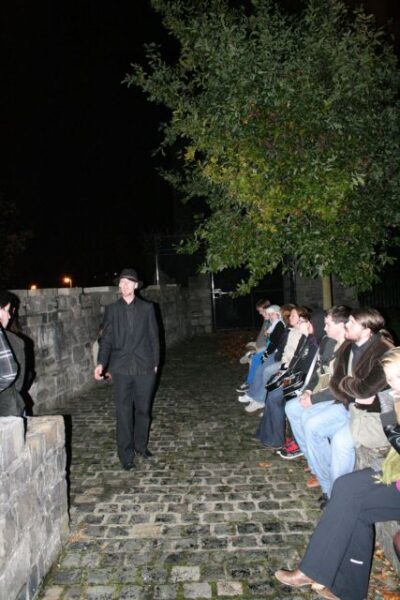
Browse the lists this tour appears in