
Reviewed · DUBLIN CASTLE AND HISTORIC CITY TOURS
Dublin: Jeanie Johnston Tall Ship Irish Famine History Tour
The Jeanie Johnston puts Ireland’s Famine story in a place where you can almost feel the problem: a cramped ship with room for up to 250 passengers, all facing a long Atlantic crossing. Instead of meeting the past only through dates and displays, you move through the decks where emigrants ate, slept, waited, and worried.
I like two things here. First, the tour connects large events to individual people, including how passengers paid for their passage and how they spent their time at sea. Second, the setting gives you fine views of Dublin’s Docklands, with masts overhead and gulls calling around the quay. The main drawback is practical: ladders, steps, and tight spaces make this a poor choice for wheelchair users or anyone with limited mobility.
Key points to know before boarding
- A 50-minute guided tour: The short format fits neatly into a morning or afternoon in Dublin.
- Two very different shipboard experiences: The open upper deck gives you air and Docklands views, while below deck shows the cramped quarters where passengers spent most of their voyage.
- Personal stories matter here: Guides explain fares, food, illness, daily routines, and the uncertain future awaiting emigrants.
- Strong English-language guiding: Steve, Claire, Josh, Eoin, Owen, Catriona, Katrina, Ronan, and other guides have been singled out for clear storytelling, humor, and patience with questions.
- Good value at $16 per person: You get entrance and the guided tour, with no hotel transport included.
- Bring sensible shoes: You will be moving around a historic-style ship, and the tour is not suitable for wheelchair users or people with mobility impairments.
Starting at Custom House Quay
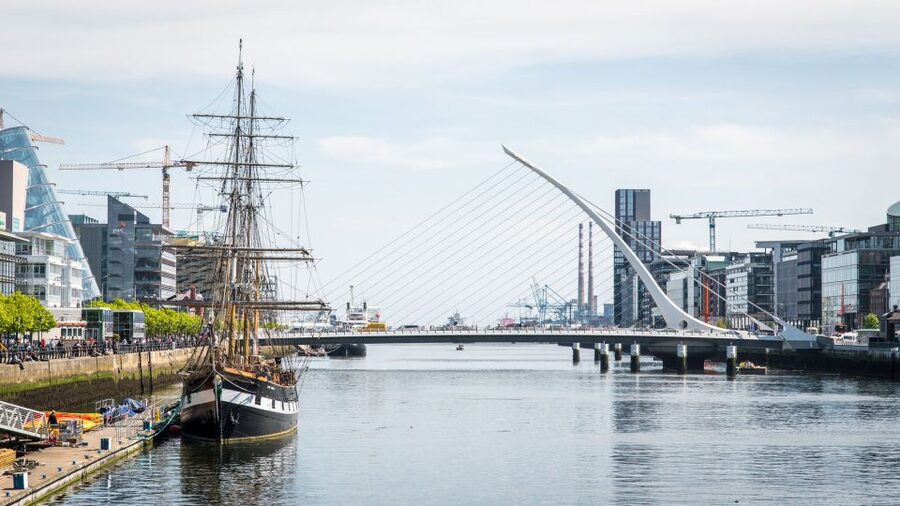
The Jeanie Johnston sits at City Moorings on Custom House Quay, Dublin 1, in the North Dock area. You meet at the ship and finish at the same place, so there is no complicated route or transport arrangement to manage.
I would allow a little extra time to find the mooring and take in the setting before your start. The ship is one of the Docklands’ most photographed sights, so the quay gives you a useful chance to take pictures before the group moves aboard.
The tour is led in English, and the guide does the work of linking the ship to the wider Irish Famine. That matters because the vessel can initially look like a handsome maritime attraction. The guided explanation shows you why it represents far more than sailing technology or waterfront scenery.
At $16, the price is modest for a central Dublin attraction with a live guide. You are not paying for a long excursion or transportation. You are paying for a focused history experience, and the 50-minute length makes it easy to fit beside the National Gallery, EPIC, the Custom House, or a walk through the Docklands.
More Dublin castle and history tours:
- Dublin Historical Centre Food Tour with 8 Food Tastings & Drinks
★ 5.0 · 1,718 reviews - Dublin: Fast-Track Book of Kells Ticket & Dublin Castle Tour
★ 4.5 · 1,661 reviews - 1916 Rebellion Walking Tour
★ 5.0 · 1,605 reviews
Above deck: timber, masts, and the shipping trade
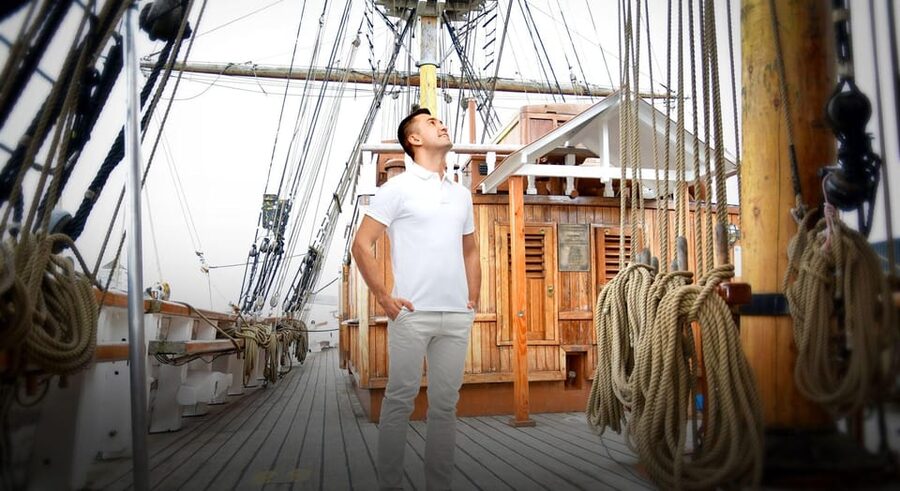
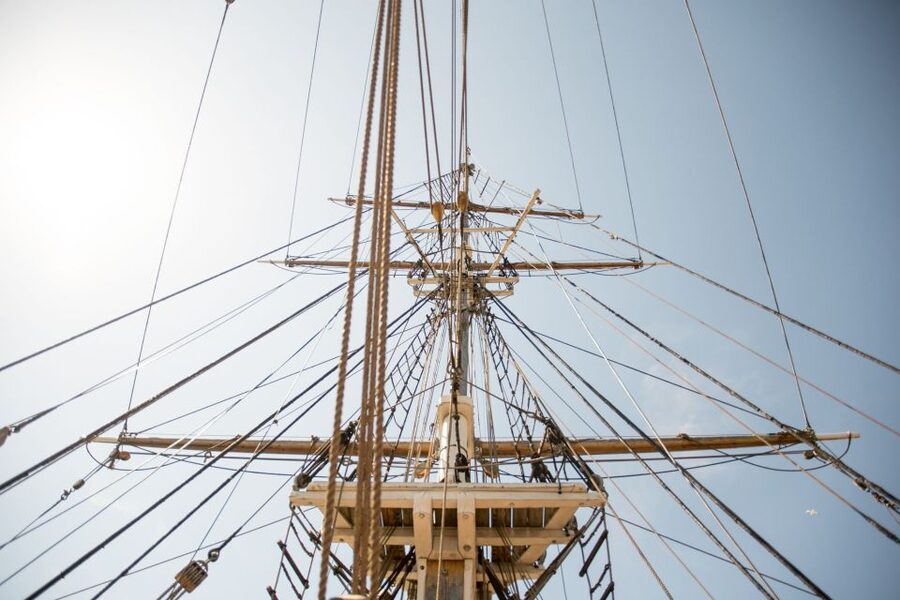
The tour begins on the upper deck. Take a moment to look up at the masts and rigging, then look outward toward Dublin’s waterway. This is the most comfortable part of the visit, with fresh air, open views, and a clear sense of the ship’s scale.
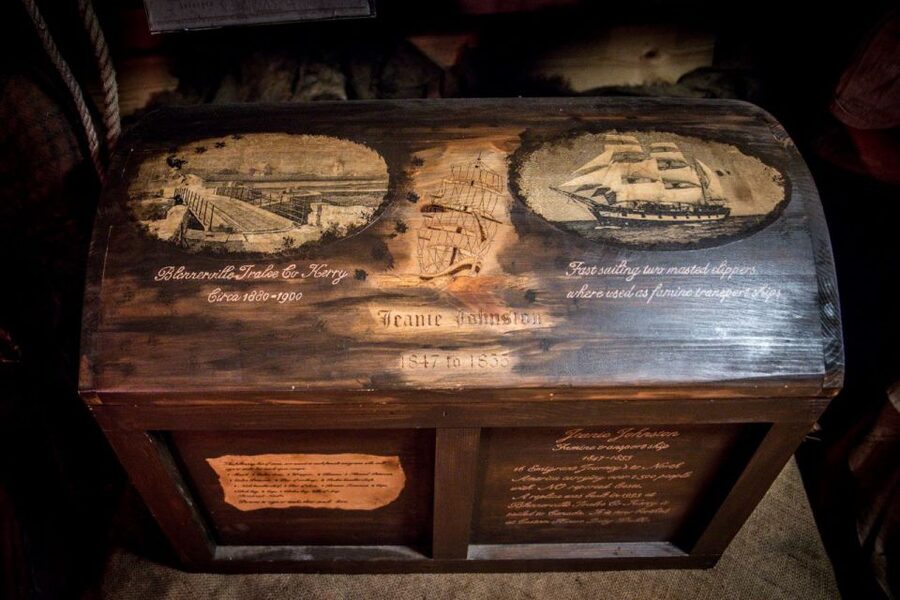
Your guide explains the original Jeanie Johnston and the story of the replica ship. You also hear how the vessel changed work, moving from timber transport to carrying people. That shift gives the tour an important human angle. A ship built for trade became part of the desperate movement of people leaving Ireland.
The deck section also covers tall ships and the 19th-century shipping trade. You learn how these vessels crossed oceans and why a journey that sounds simple on a map was a serious test of endurance.
This is the best part for photographs. The masts, rigging, wooden deck, and Docklands backdrop make the ship easy to frame. On a sunny or misty day, the vessel can be especially striking. Still, do not mistake the pleasant upper deck for the full experience. The hard story begins below.
Below deck: where 250 passengers waited
Going below deck changes the mood quickly. The space is cramped, and your guide asks you to picture up to 250 passengers spending most of their time in conditions with little room, little privacy, and limited fresh air.
Passengers were allowed only about half an hour of fresh air each day. That detail gives the ship’s size a new meaning. On the upper deck, the vessel seems spacious enough. Below, you begin to understand how many people were confined together during a long crossing.
You see where passengers and crew lived, then hear about the basic food served during the journey. The tour also explains how emigrants paid for their passage. These details are useful because they show that leaving Ireland required planning and money, even when staying home meant hunger and danger.
The conditions were grim. Disease, starvation, and disaster were constant risks on Famine ships. You also hear how passengers passed the time and what fates could await them after reaching their destination. The story is sad, but the guide keeps it grounded in real people rather than turning it into a vague account of suffering.
The ship uses displays and figures to help you picture life below deck. Some children may find the mannequins unsettling, although guides such as Catriona have been praised for helping younger visitors feel at ease and answer questions. Families should expect serious subject matter, but the clear storytelling can hold the attention of children and teenagers.
The people behind the statistics
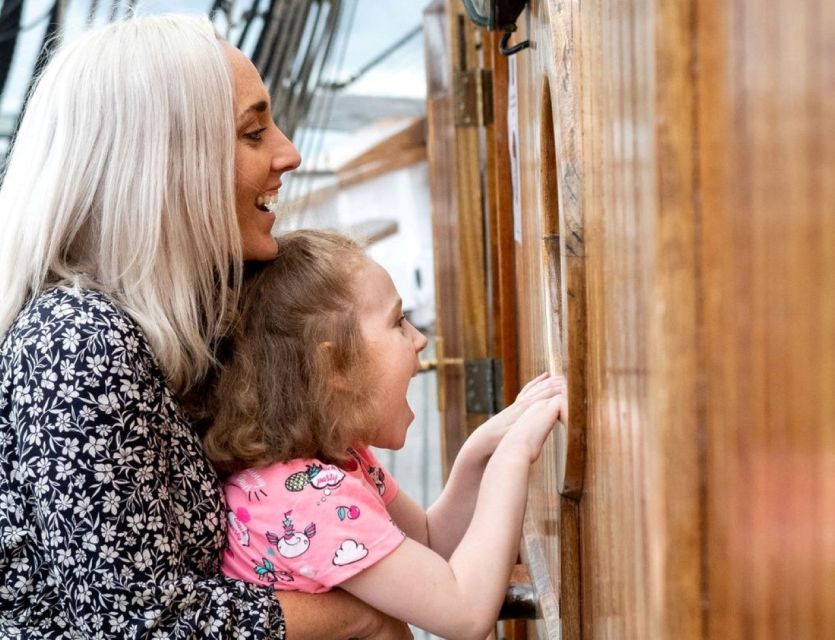
The Irish Famine sent about one million people away from Ireland. That number is so large it can become hard to picture. The Jeanie Johnston helps by narrowing the focus to passengers, crew, and the choices made by families trying to survive.
About 2,500 people made the voyage on the original Jeanie Johnston. Your guide introduces some of their stories and explains the practical side of emigration: fares, food, sleeping arrangements, shipboard routines, and the threats faced at sea.
This personal approach is one of the strongest parts of the tour. You are not asked simply to remember a date or a population figure. You are asked to imagine waiting below deck, sharing limited space, and wondering what would happen after arrival.
The guides also add warmth without making light of the subject. Steve has been especially effective with mixed-age families, using clear explanations and answering questions from children and adults. Claire, Josh, Owen, Ronan, Eoin, and others have also brought a balance of seriousness and humor to the presentation.
Guide quality matters more here than it would at a self-guided exhibit. The ship’s tight spaces and limited running time mean that a good storyteller gives the visit its shape. A weaker presentation could leave you looking at wood, ropes, and bunks without understanding the human cost. The strong guiding turns those objects into evidence of how people lived.
A completely different kind of day out of Dublin:
- Dublin to Cliffs of Moher, including Wild Atlantic Way and Galway
★ 5.0 · 23,331 reviews - From Dublin: Cliffs of Moher, Burren & Galway City Day Tour
★ 4.8 · 18,888 reviews - Dublin: Guinness Storehouse Entry Ticket
★ 4.6 · 16,863 reviews - Dublin to Cliffs of Moher, Burren, Wild Atlantic Way, Galway Tour
★ 5.0 · 12,924 reviews
A surprising detail about the original ship
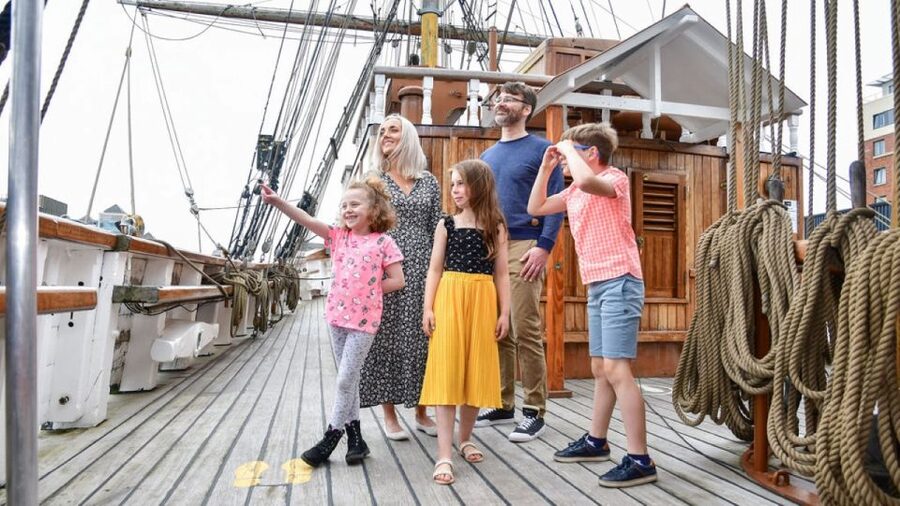
One fact gives the Jeanie Johnston story an unexpected turn: the original ship completed 16 voyages to America without a death on board. That does not make the crossings comfortable or safe in a wider sense. The passengers still endured cramped and filthy conditions, long separation from home, and the risks of an ocean crossing during a period of widespread disease and hunger.
The point is worth hearing in context. Many Famine ships gained a terrible reputation because of overcrowding, poor sanitation, illness, and death. The Jeanie Johnston’s record makes its history unusual, but it should not soften the reality of why people boarded in the first place.
You also learn about the ship’s changing role and the construction of the replica. That distinction is important. The vessel you visit is a replica, built to convey the form and feel of the original, while the story concerns the 19th-century ship and the people who sailed on it.
Why the Docklands setting adds value
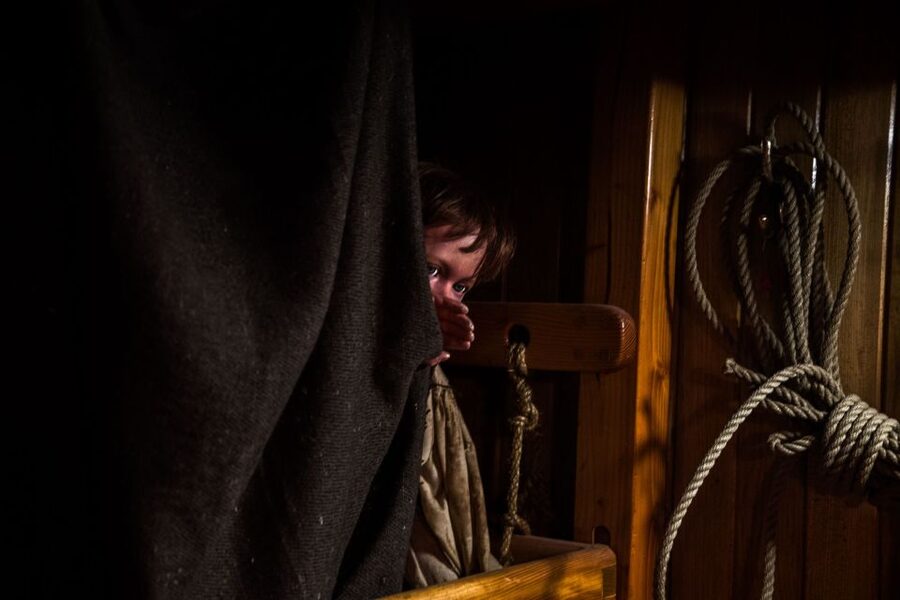
The Jeanie Johnston is not isolated in a museum hall. It sits in Dublin’s North Dock, surrounded by the working shape of the waterfront. From the upper deck, you can hear gulls, feel the wind, and look across the Docklands.
That setting helps you connect Irish emigration to the sea. The Famine was not only a rural crisis. It also became a story of ports, ships, fares, ocean routes, and communities rebuilt far from Ireland.
The outdoor portion can be affected by weather. Dublin’s wind and rain are part of the setting, but they may make the deck less pleasant. Comfortable shoes are listed as essential, and I would also dress for changeable conditions, though the available information does not specify particular clothing requirements.
The ship also works well as a stop during a waterfront walk. Since the tour returns to its starting point, you can continue exploring the Docklands afterward without arranging a transfer back to central Dublin.
How long the experience really takes
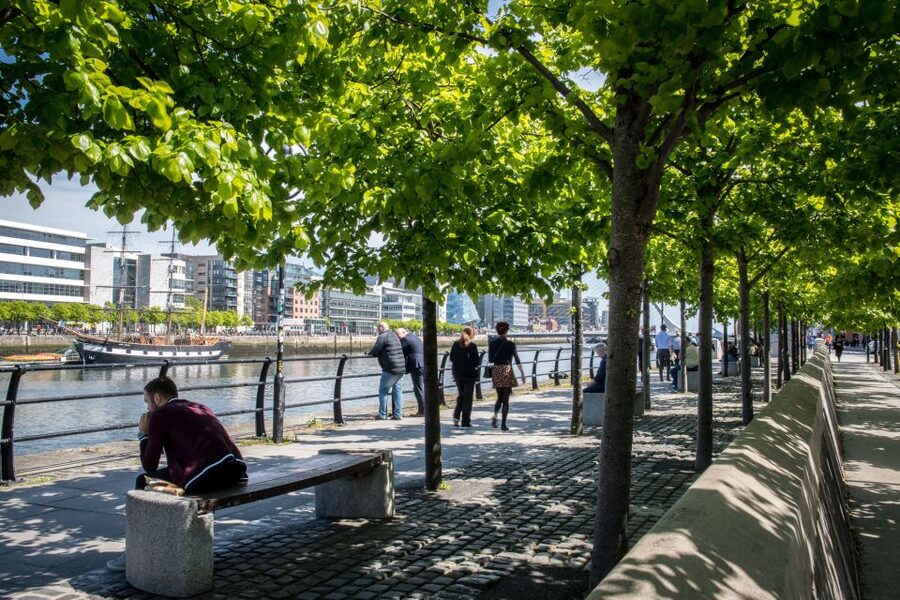
The advertised duration is 50 minutes. That is enough time for a clear guided introduction, an upper-deck walk, and the below-deck history, but it is not a full museum visit or a half-day program.
I like this length for a city break. You get a serious subject without giving up an entire afternoon. It also suits families and younger visitors who may struggle with a longer historical tour.
The short format means you should pay attention from the start. There is not much spare time for wandering away from the group or reading every detail at your own pace. If you prefer a quiet, self-guided visit, this may feel structured. If you want a guide to organize the story and keep the visit moving, the format works well.
The tour begins and ends at the ship, and the booking information provides available start times rather than one fixed daily schedule. Check the date you want before planning the rest of your day.
Is the Jeanie Johnston good for families?
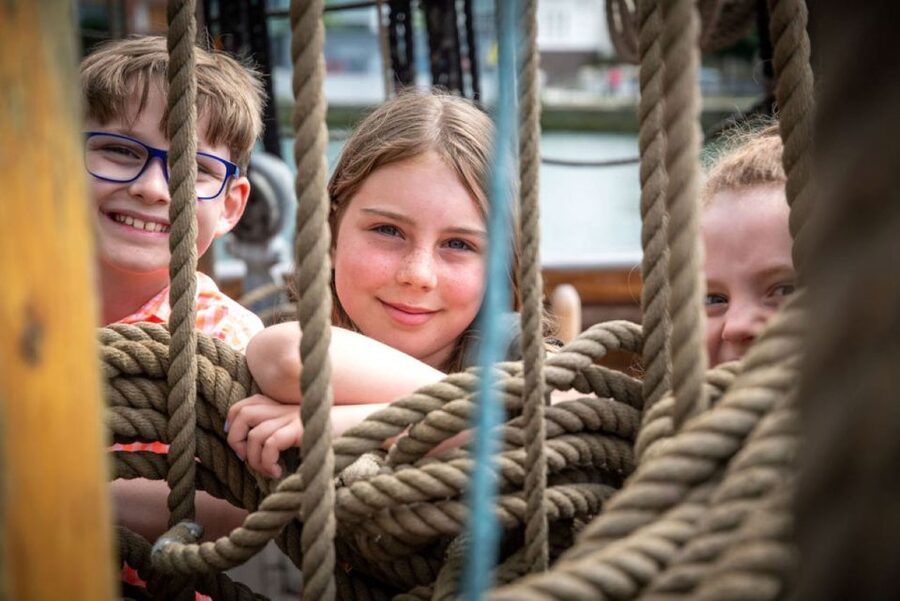
Yes, if your family is ready for a serious history lesson. The ship itself is visual and unusual enough to catch the interest of children, while the guide supplies the context that makes it meaningful.
The experience has worked well for children as young as eight in family groups, with guides involving them in questions and stories. A 16-year-old can also find it engaging because the subject is presented through practical details rather than a long lecture.
Still, the content includes hunger, disease, cramped quarters, and the fear of disaster. Younger children may need a little preparation. If a child dislikes mannequins or enclosed spaces, tell the guide at the beginning so they can help.
For adults, the tour offers a useful introduction to a central part of Irish history. It is especially worthwhile if you have Irish family connections or plan to visit other Famine-related sites. The personal stories give you a stronger base for understanding the subject than a quick display of dates would.
Mobility, comfort, and practical limits
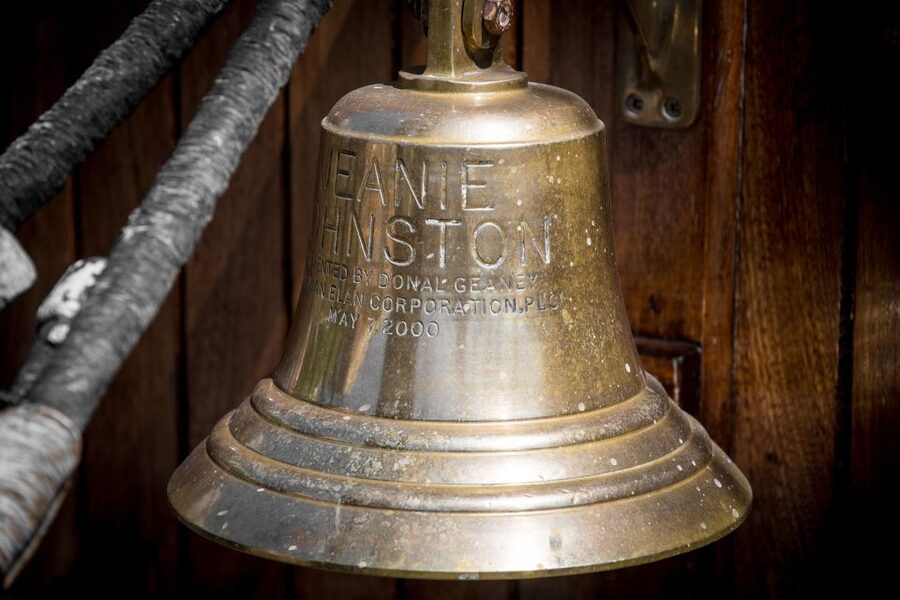
This is not a suitable choice for wheelchair users or people with mobility impairments. The information specifically warns that the tour is not recommended for people with limited mobility, so take that seriously before booking.
You should wear comfortable shoes. The route takes place aboard a ship, with access to an upper deck and lower compartments. The supplied information does not provide a detailed step count or describe a specific accessibility route, so contact the operator directly if you need more precise mobility information.
The ship can also feel tight below deck. That confined atmosphere is central to the historical lesson, but it may be uncomfortable if you dislike enclosed spaces. The upper deck provides air and room to look around, yet the most important part of the story takes place below.
There is no hotel pickup or drop-off. Plan to reach City Moorings, Custom House Quay, Dublin 1, on your own. This is a good match for an independent city itinerary, not for anyone seeking a door-to-door excursion.
What you get for $16
At $16 per person, the Jeanie Johnston offers good value if you want a guided Dublin attraction with a clear historical purpose. Your ticket includes entrance and access to the guided tour, not transportation, food, or an additional city tour.
The value comes from three things: the unusual setting, the live English-language guide, and the short time commitment. A handsome ship alone would make a quick photo stop. The stories of passengers and crew are what turn it into a worthwhile visit.
The price also makes it easier to pair with another Docklands attraction. You can build a half-day around the waterfront without committing to an expensive excursion or a long transfer across the city.
Free cancellation is available up to 24 hours before the tour for a full refund. You can also reserve now and pay later, which is helpful when your Dublin schedule depends on weather or changing arrival plans.
Who should book this tour?
Book it if you want to understand the Irish Famine through a physical place, not just a museum panel. It suits history-minded adults, families with school-age children, people interested in Irish emigration, and anyone looking for a compact Docklands activity.
I would also choose it for a first visit to Dublin when time is limited. In less than an hour, you get a local story, waterfront views, and a useful explanation of why so many Irish people left during the Famine years.
Think twice if you need step-free access, dislike enclosed areas, or prefer a fully self-guided attraction. The lower deck is tight, the subject is heavy, and the tour depends on staying with the English-speaking guide.
Should you book the Jeanie Johnston?
I would book this tour if you want a short, focused, and human account of Irish Famine emigration. The best guides, including Steve, Claire, Josh, and Eoin, make the material clear for both adults and children, while the ship gives you a setting that photographs and explains well.
The choice is less convincing if you are only seeking a quick ship photograph. You can take that picture, but the real value is below deck, where the cramped quarters force you to consider the lives behind the numbers.
At $16, the Jeanie Johnston is an easy addition to a Dublin day. Wear comfortable shoes, allow time to reach Custom House Quay, and book it when you are ready for an honest history lesson rather than a light sightseeing stop.
FAQ
Where does the Jeanie Johnston tour begin?
The tour begins at the Jeanie Johnston Tallship, City Moorings, Custom House Quay, Dublin 1.
Where does the tour finish?
The activity ends back at the meeting point on the Jeanie Johnston.
How long is the tour?
The guided tour lasts 50 minutes. Check availability for the starting times on your chosen date.
What language is the tour in?
The live guided tour is conducted in English.
What does the ticket include?
Your ticket includes entrance and access to the guided Jeanie Johnston tall ship tour.
Is hotel pickup included?
No. Hotel pickup and drop-off are not included, so you need to make your own way to Custom House Quay.
Is the tour suitable for wheelchair users?
No. The tour is not suitable for wheelchair users or people with mobility impairments, and it is not recommended for people with limited mobility. Comfortable shoes are advised.
Just added around Dublin
- Wicklow: Private Day Tour from Dublin★ 5.0 · 5 reviews
- Wicklow Mountains Private Day Tour including Glendalough★ 5.0 · 7 reviews
- Wicklow Mountains & Glendalough Luxury Private Day Tour★ 5.0 · 23 reviews
- Wicklow tour of Glendalough★ 4.5 · 8 reviews
- Women Of Ireland: Trailblazers & Pioneers★ 5.0 · 4 reviews
- Dublin To Kilkenny Castle Waterford Crystal Private Car – Day Tour★ 5.0 · 8 reviews
- Waterford Crystal and Kilkenny Full-Day Rail Tour from Dublin★ 5.0 · 3 reviews
- Full Day Private Wicklow Tour★ 5.0 · 12 reviews
Dublin Castle and Historic City Tours, compared.
Dublin Historical Centre Food Tour with 8 Food Tastings & Drinks
Read our review →
Fast-Track Book of Kells Ticket & Dublin Castle Tour
Read our review →
St Patrick’s Cathedral, Book of Kells and Dublin Castle Tour
Read our review →

Historical 2-Hour Guided Walking Tour of Dublin
Read our review →
Book of Kells, Dublin Castle and Christ Church Tour
Read our review →
Browse the lists this tour appears in