
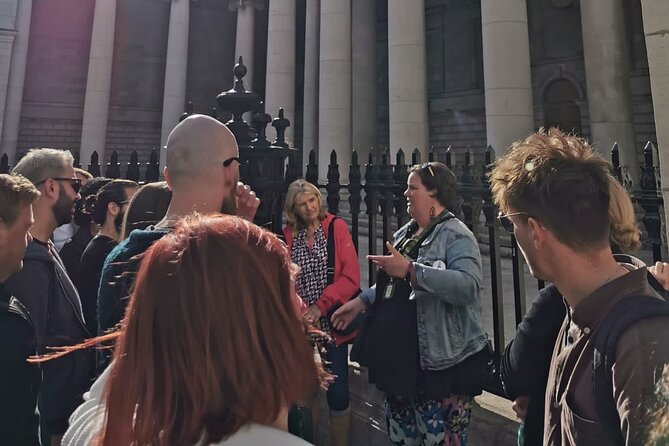
Reviewed · DUBLIN CASTLE AND HISTORIC CITY TOURS
Dublin LGBTQ Pride Historical and Cultural Walking Tour
Dublin’s queer past comes into focus on this two-hour walk from Temple Bar to Dublin Castle. You’ll cross the Liffey, pass the GPO and Abbey Theatre, see Trinity College, and learn how LGBTQ+ people shaped Ireland’s politics, arts, activism, and public life.
I like the route because it connects familiar Dublin sights with stories you would not usually hear on a standard city tour. I also like the focus on people who were ignored, mocked, or forgotten, including gay figures linked to the 1916 Easter Rising and a trans activist tied to Ireland’s first Pride parade.
The main drawback is pace. Ten minutes at each listed stop means this is a moving city walk, not a series of long visits inside buildings. The group size can reach 100 people, so ask about the day’s group when you arrive if a small, intimate experience matters to you.
Key things to know before you book
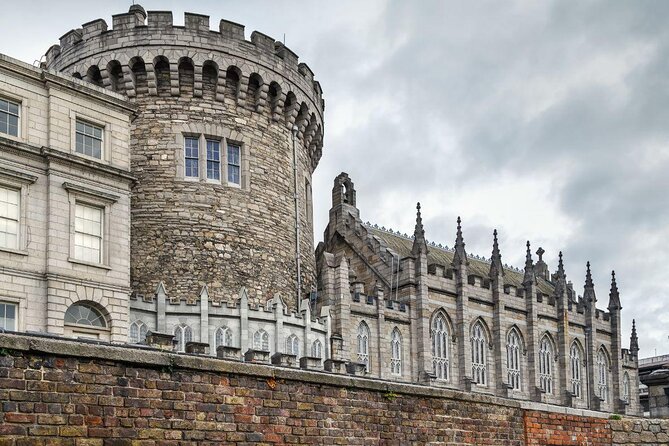
- Queer history at famous Dublin sights: The GPO, Abbey Theatre, Trinity College, and Dublin Castle become part of a larger story about LGBTQ+ Ireland.
- A route through central Dublin: You walk between Temple Bar, the River Liffey, College Green, Liberty Hall, and the city center.
- Strong guide-led storytelling: Helena and Deidre, also spelled Deidree in one account, have led tours praised for energy, warmth, and clear historical detail.
- A look at forgotten figures: The tour pays attention to people whose roles in Irish history and social change are often left out.
- Good value at $29.02: You get about two hours of guided walking through central Dublin, with no major admission fees built into the route.
- Practical city walking: Expect pavement, crossings, bridges, and a moderate level of physical activity, with public transport nearby.
Why this walk adds something to Dublin
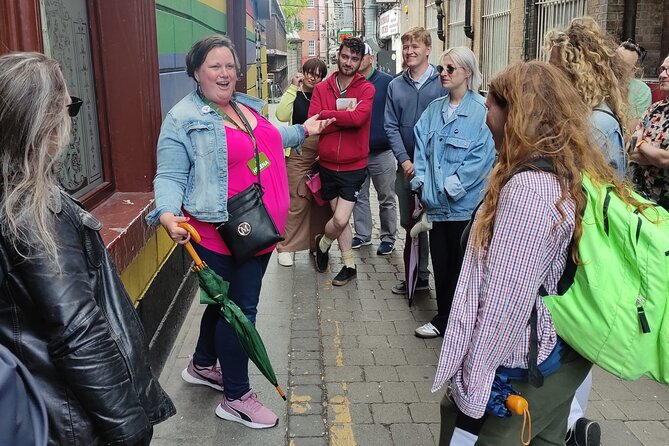
A standard Dublin sightseeing walk usually gives you the broad outline: Viking beginnings, Georgian streets, the Easter Rising, literary figures, pubs, and political change. This tour uses many of the same places, but asks a different question: where were LGBTQ+ people in these stories, and how did they shape the city?
That change in viewpoint is the real reason to book. You are not being taken to a long list of separate queer attractions. Instead, the guide connects ordinary streets and major landmarks to Ireland’s LGBTQ+ community, its political struggles, its artists, its meeting places, and its campaign for legal rights.
I especially like this approach for a first visit to Dublin. You still see central sights such as the GPO, Trinity College, and Dublin Castle, but you also leave with a clearer sense of the people behind Ireland’s social changes. It gives familiar places a second layer.
The tone appears serious when it needs to be. Ireland’s queer history includes discrimination, public shame, tragedy, and long campaigns for recognition. But the walk also includes humor, nightlife, theater, friendship, and the people who brought hope to Dublin’s LGBTQ+ community. That balance matters. A tour about rights should not treat queer life only as a sequence of hardships.
More Dublin castle and history tours:
- Dublin Historical Centre Food Tour with 8 Food Tastings & Drinks
★ 5.0 · 1,718 reviews - Dublin: Fast-Track Book of Kells Ticket & Dublin Castle Tour
★ 4.5 · 1,661 reviews - 1916 Rebellion Walking Tour
★ 5.0 · 1,605 reviews
Starting in Temple Bar and crossing the Liffey
The meeting point is at 3 Crown Alley in Temple Bar, Dublin 2. This is a central spot, but Temple Bar has many lanes and busy corners, so arrive with enough time to find the exact place. Your group begins in the heart of Dublin’s best-known nightlife district before heading toward the river.
Temple Bar can feel overfamiliar if you have already spent time there. The value here is not the usual pub-and-cobblestone introduction. The guide looks at the part of Temple Bar connected with LGBTQ+ life, including the site of Ireland’s first bona fide gay headquarters.
You also cross one of Dublin’s most photographed bridges on the way toward the city’s older civic and political center. The bridge itself is a short stop rather than a formal attraction, but it helps establish the route. You are moving from the nightlife side of the city toward places tied to national history, theater, education, and government.
This is a walking tour, so wear shoes that handle pavement well. The tour description calls for moderate physical fitness, and the route includes bridges, crossings, and several stretches between stops.
The GPO and LGBTQ+ figures of 1916
The General Post Office is one of Dublin’s most important buildings. It served as the central stage of the 1916 Easter Rising, and its façade remains one of the city’s clearest reminders of the struggle that led toward Irish independence.
The tour uses the GPO to bring attention to gay figures connected with the events of that week. This is one of the strongest parts of the walk because it widens the usual Easter Rising story. You hear not only about military action and national politics, but also about the private lives and public roles of people who have not always received equal attention.
You will spend about 10 minutes at this stop, and admission is not included because the group does not appear to enter the museum. That is worth knowing. The guide’s spoken account is the main experience here, with the building serving as the setting.
If you want a full visit to the GPO Museum, plan a separate visit. This tour gives you an LGBTQ+ perspective on the site, not a complete museum tour.
The Abbey Theatre and a modern Irish icon
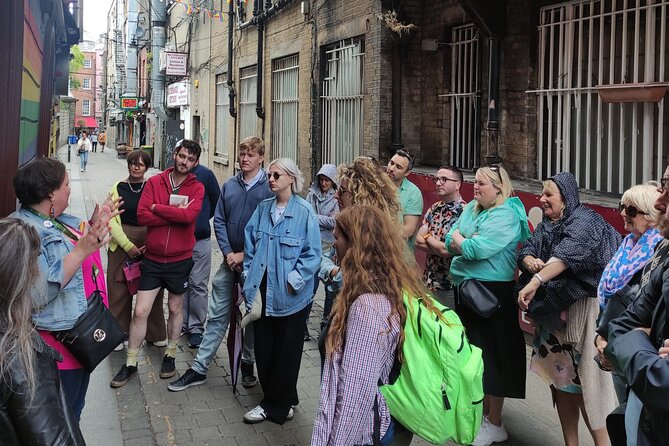
Next comes the Abbey Theatre, Ireland’s national stage. The building gives the guide a natural way to discuss the link between queer identity, performance, public culture, and national life.
The stop focuses on a contemporary gay Irish icon and that person’s role in shaping modern Ireland. The exact amount of detail will depend on the guide and the day, but the point is clear: the story of LGBTQ+ Ireland is not confined to politics or protest. Theater and public culture helped change how Irish identity could be discussed and represented.
This is also where the guide’s skill matters most. Past guides named in the feedback, including Helena and Deidre, are described as energetic and well informed. That combination is useful on a short tour. You need someone who can explain context quickly without turning every stop into a lecture.
The Abbey stop lasts about 10 minutes. You should not expect a performance, backstage visit, or extended theater tour. Think of it as a street-side history lesson beside one of Dublin’s key cultural institutions.
More Dublin walking tours:
- Dublin Highlights and Hidden Gems Guided Walking Tour
★ 5.0 · 6,020 reviews - Dublin: Highlights and Hidden Gems Walking Tour
★ 4.9 · 2,140 reviews - 90 Minute Dublin Walking tour and Sightseeing tips
★ 5.0 · 916 reviews - 2-Hour Historical Walking Tour from Dublin
★ 5.0 · 875 reviews
Liberty Hall and the first Irish Pride parade
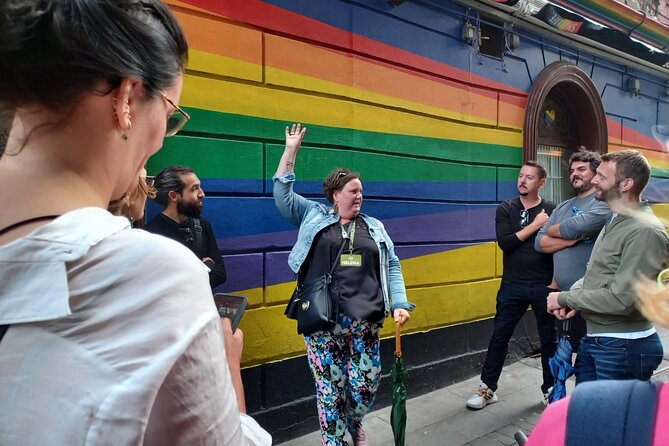
At Liberty Hall, the tour turns toward activism. Here you hear about the difficult circumstances around Ireland’s first gay Pride parade and about one of the country’s notable trans activists.
This part may be emotionally heavier than the opening stops. The early Pride story is presented through conflict, fear, and social pressure, but also through the determination of people who made public action possible. The guide also connects LGBTQ+ activism with women’s rights movements and wider Irish social change.
I find this section valuable because it links personal courage to physical places. Pride can seem like a modern festival if you only encounter it through parades and nightlife. At Liberty Hall, it becomes part of a longer fight over who could gather in public, claim a voice, and expect legal protection.
Again, the stop is short, around 10 minutes. You will get the main story and its importance, not every date or political detail. If modern activism is your main interest, this is a good reason to treat the walk as an introduction and continue learning afterward.
Trinity College and the people beneath its arch
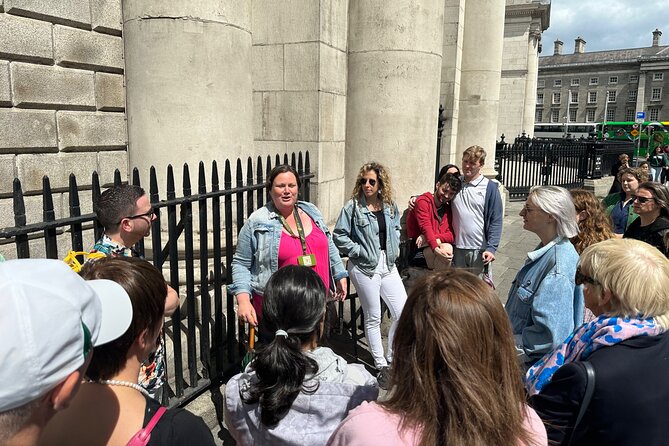
The route then reaches Trinity College Dublin, Ireland’s oldest and most famous college. The tour looks at LGBTQI+ alumni who passed through the college and places their stories within the wider College Green area.
Trinity is one of Dublin’s essential sights, but the usual visit focuses on the Book of Kells, the Long Room, architecture, and famous scholars. This walk takes a different route through the institution’s human history. You learn how people associated with the college fit into Ireland’s LGBTQ+ story.
Admission to Trinity is not included. The listed visit is an outdoor stop, lasting around 10 minutes, so do not book this tour expecting entry to the Old Library or a Book of Kells visit. If you want those attractions, arrange them separately and allow much more time.
This stop also shows why the tour works well for people who have already seen Dublin’s main sights. You get another way to understand places you may otherwise photograph and pass by.
Meeting House Square and queer Dublin in the 1980s
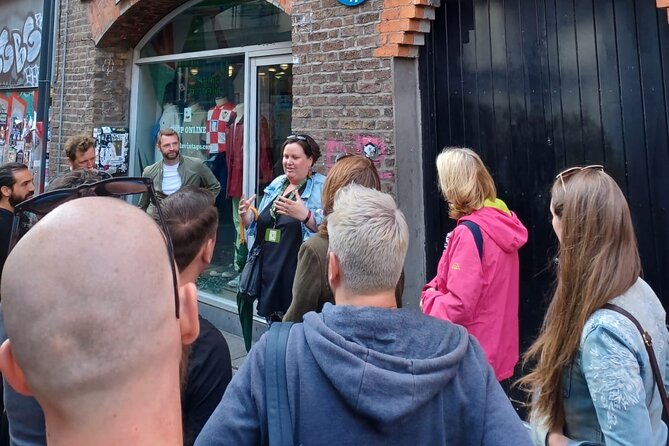
Back in the Temple Bar area, the group reaches Meeting House Square. Here the focus moves to queer Dublin in the 1980s and to the people who helped a threatened community find support and hope.
This section sounds less like a list of famous landmarks and more like a social history of the city. You hear about thinkers, organizers, and change makers, along with the places and networks that helped people survive a difficult period.
That is an important strength of the walk. LGBTQ+ history is often told through a few celebrated names, legal milestones, and dramatic protests. Meeting House Square brings attention to the quieter work of building community. Cafés, meeting points, cultural spaces, and personal connections can matter just as much as a major public event.
The route also returns to the River Liffey, including a crossing that places Dublin’s waterways in the middle of the experience. The river is not just scenery here. It helps you understand how the walk ties together neighborhoods that have served different roles in the city’s social life.
Temple Bar’s first gay headquarters
The tour explores another part of Temple Bar connected with Ireland’s first established gay headquarters. This was more than a bar. The site included a café, disco, cinema, and other community functions.
That detail gives you a useful picture of what a headquarters can mean. It was a place to socialize, find information, see films, meet other people, and build a public community. The site is important not simply because it was first, but because it offered several forms of support under one roof.
Temple Bar today is associated with pubs and nightlife for a broad international audience. This stop points to an earlier and more specific kind of social life, when having a dedicated LGBTQ+ space could be a major act of independence.
The location itself may have changed, and you should expect a historical explanation rather than a preserved attraction. That is typical of this tour. Dublin’s queer past is often found in stories attached to changing streets, not in buildings maintained as museums.
The George, Dublin’s enduring LGBTQ+ pub
The George is Dublin’s oldest operating gay bar and one of the clearest active links between the city’s past and present LGBTQ+ community.
The tour does not promise entry, drinks, or a reserved place inside. Instead, you learn about the pub’s cultural role and its continuing place in Dublin’s queer life. That makes this a useful stop for anyone who wants to know where the city’s LGBTQ+ social scene fits into the wider story.
It also gives the walk a lighter, more social turn after the sections on discrimination and activism. A pub can be a place of fun, but it can also be a meeting point, a source of belonging, and a visible sign that a community has claimed space in the city.
If you plan to return to The George later, ask your guide for current practical advice. The tour includes information about queer bars in Dublin, but it does not promise a nightlife visit.
Finishing at Dublin Castle
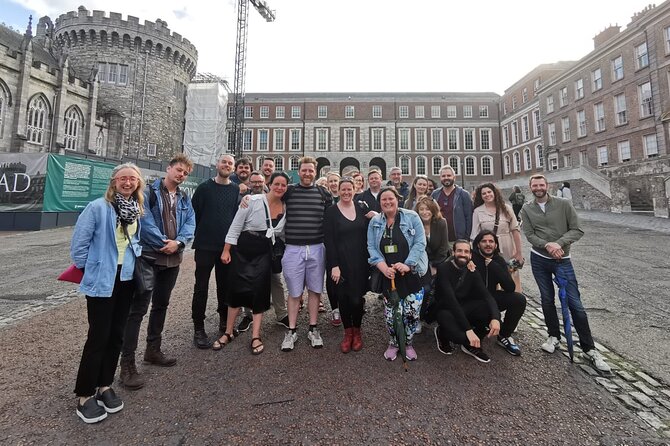
The final stop is Dublin Castle, where the walk ends in the upper courtyard. The castle brings together more than 1,200 years of history, with the visible courtyard shaped largely by its later 18th-century buildings.
Ending here gives the tour a sense of scale. You begin with Temple Bar’s social streets and finish in a center of power and government. The route suggests that LGBTQ+ history is not a side story kept apart from Ireland’s main story. It belongs in the account of the state, the city, public institutions, and national identity.
The endpoint is central and historic, but the provided end location is written as a plus-code rather than a simple street address. Confirm the exact map pin before setting off, especially if you are meeting friends afterward or need to catch transport.
Price, group size, and the practical value
At $29.02 per person, this is a fair price for about two hours of guided walking in central Dublin. You are paying mainly for the guide’s research, storytelling, and route design. The tour does not include major paid admissions, and most stops are viewed from outside.
I would judge the value by your interests. If you want a conventional Dublin overview with interiors, museum tickets, and long stops, this is not the best match. If you want a focused LGBTQ+ history tour that also covers several major city sights, the price is reasonable.
The experience is offered in English and includes a mobile ticket. Confirmation arrives when you book. Service animals are allowed, and the route is near public transport. Moderate physical fitness is recommended.
The maximum group size is 100 people. That is a large possible number for a walking tour, although the experience can operate as a smaller group. If personal conversation and easy access to the guide are important to you, check the expected group size before booking.
Cancellation is free up to 24 hours before the start time. Cancel later than that, or make changes inside that window, and you should not expect a refund.
Who should book this Dublin LGBTQ+ tour?
I would choose this walk if you want to understand Dublin through queer history rather than simply collect landmarks. It suits LGBTQ+ visitors, allies, history fans, and anyone interested in how social change happens through people, institutions, art, and community spaces.
It is also a good choice early in your Dublin stay. The route introduces central places you may visit again, and the guide can point you toward queer bars and other parts of the city’s LGBTQ+ scene.
You may want a different tour if you dislike walking, need extensive time inside museums, or prefer a tightly scheduled sightseeing route with longer stops. The 10-minute stop pattern keeps the tour moving, but it limits how much detail each site can receive.
Should you book it?
Book this tour if you want a focused, human account of LGBTQ+ Ireland woven through Dublin’s best-known central sights. The strongest parts are the forgotten figures, the story of early Pride, the 1980s community history, and the connection between activism and everyday social spaces.
Skip it if your priority is paid entry to the GPO Museum, Trinity College, or Dublin Castle. Those sites can be visited separately. For a reasonable fee, though, this walk gives you a useful second view of Dublin, one that many standard city tours leave out.
FAQ
How long is the Dublin LGBTQ+ Pride Historical and Cultural Walking Tour?
The tour lasts approximately two hours.
Where does the tour start?
It starts at 3 Crown Alley in Temple Bar, Dublin, D02 CX67, Ireland.
Where does the tour finish?
The tour ends in the upper courtyard of historic Dublin Castle.
What language is the tour offered in?
The tour is offered in English.
How much does the tour cost?
The listed price is $29.02 per person.
Are admission tickets included?
The listed stops at Temple Bar, the GPO Museum, the Abbey Theatre, Liberty Hall, Meeting House Square, The George, and Dublin Castle have no admission ticket included. Admission to Trinity College Dublin is also not included.
How large can the group be?
The maximum group size is 100 people. The experience may operate with a smaller group, but a small group is not guaranteed.
Is the tour suitable for people with limited mobility?
The tour recommends a moderate level of physical fitness. It is a city walking experience that includes streets, crossings, bridges, and movement between central stops.
Can I cancel for a refund?
Yes. You can cancel at least 24 hours before the local start time for a full refund. Cancellations or changes made less than 24 hours before the start time are not accepted for a refund.
Just added around Dublin
- Wicklow: Private Day Tour from Dublin★ 5.0 · 5 reviews
- Wicklow Mountains Private Day Tour including Glendalough★ 5.0 · 7 reviews
- Wicklow Mountains & Glendalough Luxury Private Day Tour★ 5.0 · 23 reviews
- Wicklow tour of Glendalough★ 4.5 · 8 reviews
- Women Of Ireland: Trailblazers & Pioneers★ 5.0 · 4 reviews
- Dublin To Kilkenny Castle Waterford Crystal Private Car – Day Tour★ 5.0 · 8 reviews
- Waterford Crystal and Kilkenny Full-Day Rail Tour from Dublin★ 5.0 · 3 reviews
- Full Day Private Wicklow Tour★ 5.0 · 12 reviews
Dublin Castle and Historic City Tours, compared.

Dublin Historical Centre Food Tour with 8 Food Tastings & Drinks
Read our review →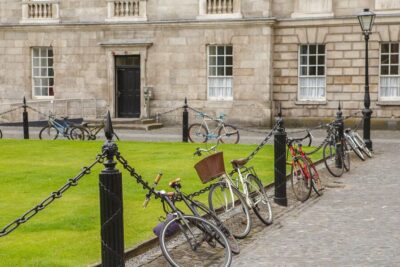
Fast-Track Book of Kells Ticket & Dublin Castle Tour
Read our review →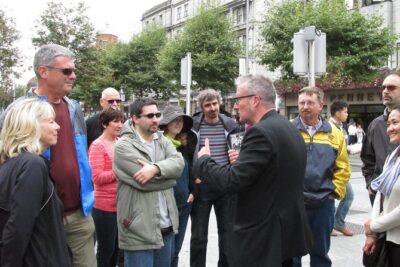
St Patrick’s Cathedral, Book of Kells and Dublin Castle Tour
Read our review →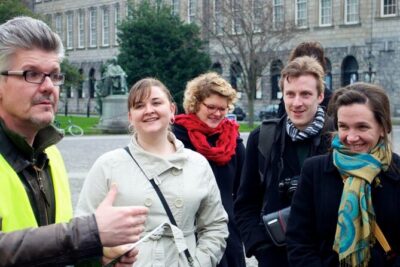
Historical 2-Hour Guided Walking Tour of Dublin
Read our review →
Jeanie Johnston Tall Ship Irish Famine History Tour
Read our review →
Book of Kells, Dublin Castle and Christ Church Tour
Read our review →Browse the lists this tour appears in