
Reviewed · BOYNE VALLEY AND NEWGRANGE DAY TRIPS
Dublin Full-Day Tour through Boyne Valley
Newgrange is the star here, but this private Boyne Valley tour gives you far more than one prehistoric monument. In a single day, you move from a 5,000-year-old passage tomb to ruined monasteries, legendary royal hills, and Ireland’s largest Anglo-Norman castle. Guide Ger Healy handles the driving, parking, and route from your Dublin hotel.
I like the mix of major sights and quieter stops, especially Mellifont Abbey and Bective Abbey, where you can slow down and see Ireland’s medieval past without a large tour group around you. I also like the private format for up to six people, since it lets your group spend more time at the places that interest you most.
The main drawback is the pace. Six stops in roughly 6 to 8 hours leave little room for a long lunch or lingering at every site. Newgrange and Trim Castle also have separate admission costs, so the headline price is not the full cost of the day.
Key points to know before booking
- Newgrange is the centerpiece: Allow three hours for the Brú na Bóinne visit, with the Newgrange tour and exhibition costing an additional €18 per booking.
- You get a private vehicle: Pickup is available from your Dublin hotel, with parking and bottled water included.
- The route covers several eras: Expect Neolithic archaeology, early Christian sites, medieval monasteries, Gaelic legend, and Anglo-Norman power.
- Ger Healy is your guide: A past day with him included help gaining access to Newgrange’s inner chamber, though that should not be treated as guaranteed.
- The schedule is full: Mellifont, Slane, Tara, Bective, and Trim Castle are added around a three-hour Newgrange visit.
- The price works best for a group: At $1,087.16 for up to six people, the cost becomes more reasonable when shared among several adults.
Why the Boyne Valley makes such a good day from Dublin
The Boyne Valley packs an unusual amount of Irish history into a relatively small area. This is not a day of similar-looking ruins. You move across thousands of years, from the construction of Newgrange around 3200 BC to the medieval world of abbeys, castles, and church foundations.
I like the route because the stops help explain one another. Mellifont and Bective show the arrival and growth of the Cistercians in Ireland. Slane and Tara bring in Saint Patrick, early Christianity, and Ireland’s ancient kings. Trim Castle then shifts the story to the Anglo-Norman takeover and the medieval Lordship of Meath.
A private tour also changes the feel of the day. You are not joining a large coach group or sorting out several rural bus connections. Ger Healy collects you at your hotel, provides private transportation, and takes care of parking. That matters in the Boyne Valley, where the sights are spread across County Louth and County Meath.
The day is advertised at about 6 to 8 hours, and the scheduled stops add up to roughly 7 hours and 40 minutes before driving time and lunch. That tells you something important: this is a full day, not a relaxed country outing. You will see a lot, but you should arrive ready to keep moving.
More Boyne Valley and Newgrange day trips:
- Celtic Boyne Valley & Ancient Sites Day Tour From Dublin
★ 4.5 · 865 reviews - Dublin: Boyne Valley with Newgrange and Bru Na Boinne Entry
★ 4.7 · 635 reviews - From Dublin: Celtic Boyne Valley and Ancient Sites Tour
★ 4.5 · 618 reviews
Mellifont Abbey and the arrival of the Cistercians
Your first stop is Mellifont Abbey near Drogheda in County Louth. Founded in 1142 by Saint Malachy, Archbishop of Armagh, it was Ireland’s first Cistercian abbey.
You have about 45 minutes here, enough to look around the remains and get a feel for the site without trying to absorb every detail. The abbey is especially useful as an introduction to the religious side of the Boyne Valley. It sets up the later visit to Bective Abbey, the second Cistercian abbey founded in Ireland.
There is no admission charge listed for Mellifont, which keeps this short stop simple. Do not expect a full museum visit or a long guided program. Its value comes from seeing the remains in place and understanding where the Cistercian story began in Ireland.
If medieval monastic ruins interest you, Mellifont may be one of your favorite stops. If your priority is elaborate interiors or a long, structured tour, the 45-minute visit may feel brief.
Newgrange, the reason to protect your time
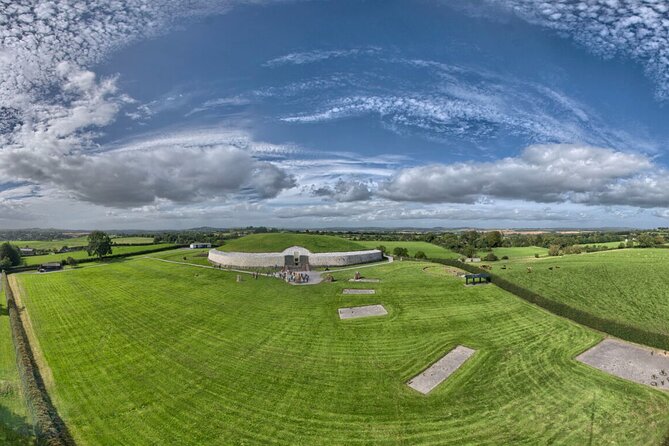
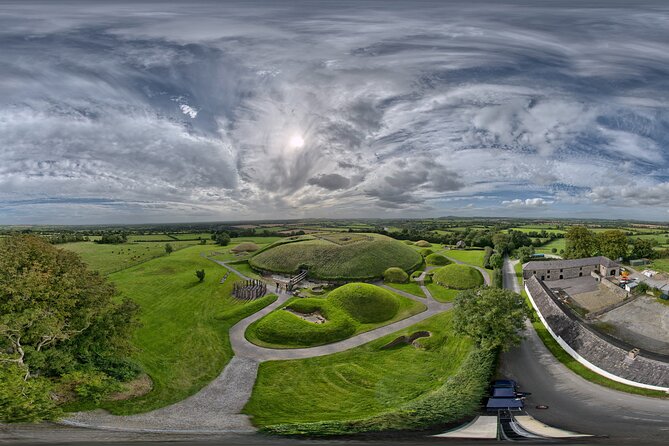
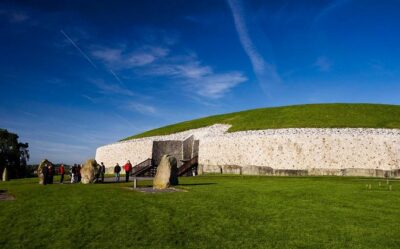
Newgrange is the major event of the day. Built around 3200 BC, it is older than Stonehenge and the pyramids at Giza. The monument forms part of the Brú na Bóinne UNESCO World Heritage Site, along with Knowth and Dowth.
The schedule allows three hours here, which is sensible. Newgrange is not a quick roadside photograph. You need time for the site visit, the exhibition, and the organized tour connected with the monument. The Newgrange tour and exhibition are not included in the main price, and the stated extra charge is €18 per booking.
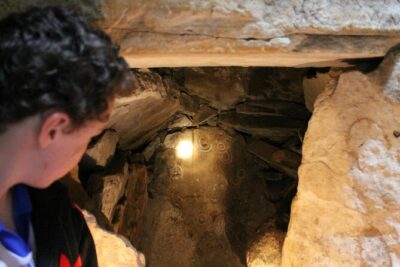
The passage tomb is famous for its design and age, but its most striking feature is the way it connects architecture with the winter solstice. Around the shortest days of the year, sunlight reaches into the inner chamber through the roof box above the entrance. The data provided for this tour does not promise a solstice visit or special access, so plan to appreciate the monument and its setting rather than assume you will see the light effect.
One particularly useful detail comes from a previous day with Ger Healy: he helped the group gain access to the inner chamber. That suggests his local connections and practical help can add real value. Still, access should be treated as a fortunate possibility, not part of the guaranteed program.
Newgrange is also where timing matters most. If the booking requires a set entry time, a delayed start or a long stop elsewhere could create problems. Your private driver and guide can help keep the day on track, but you should not expect to wander freely through the entire Brú na Bóinne area on this visit. The schedule names Newgrange, not a full tour of Knowth and Dowth.
The Hill of Slane and Saint Patrick’s challenge
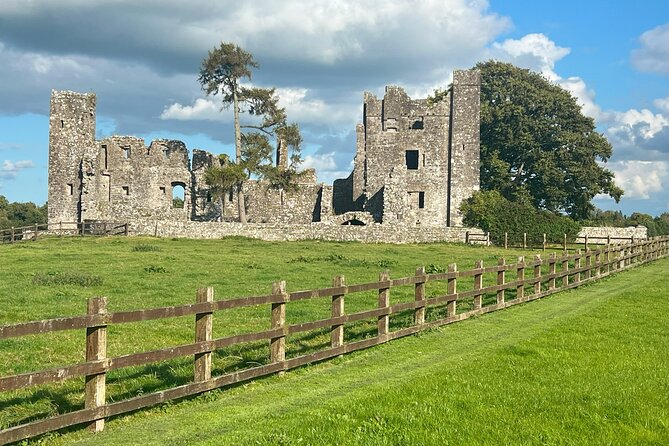
The Hill of Slane receives about 35 minutes, with admission included. Its importance comes from the story linked to Saint Patrick, who is said to have lit the first Paschal fire here in 433 AD as a challenge to the pagan high kings at nearby Tara.
The hill gives the day a strong connection between place and legend. You are not simply looking at another old church site. You are standing at a point tied to one of Ireland’s best-known stories about the spread of Christianity.
Thirty-five minutes is enough for a focused stop, but not a long hike or a slow exploration. You should wear shoes suitable for uneven ground and be ready for a little walking. The tour requires a moderate level of physical fitness, and this is one reason why.
Slane works best when you enjoy the story behind a place. The surviving remains may not have the visual impact of Trim Castle or the age of Newgrange, but the connection to Saint Patrick gives it a special role in the route.
A few more Dublin trips worth weighing up
- Dublin to Glendalough, Wicklow and Kilkenny Full Day Guided Tour
★ 5.0 · 4,895 reviews - Cliffs of Moher Full-Day Tour from Dublin
★ 4.5 · 2,565 reviews - Blarney Castle Full-Day Tour from Dublin
★ 4.5 · 469 reviews - From Dublin: Connemara and Galway Full-Day Tour
★ 3.5 · 446 reviews
The Hill of Tara, Ireland’s ancient seat of power
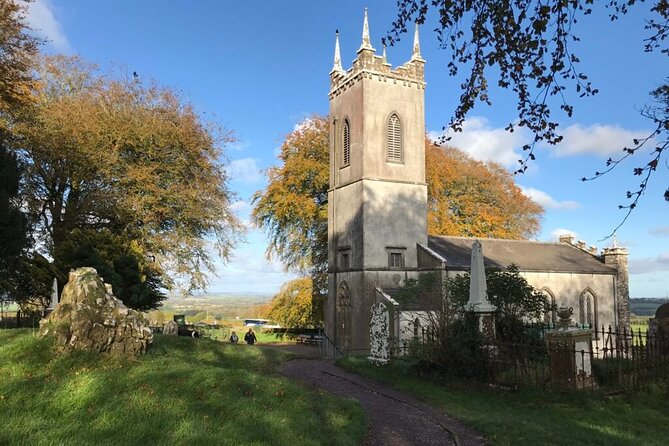
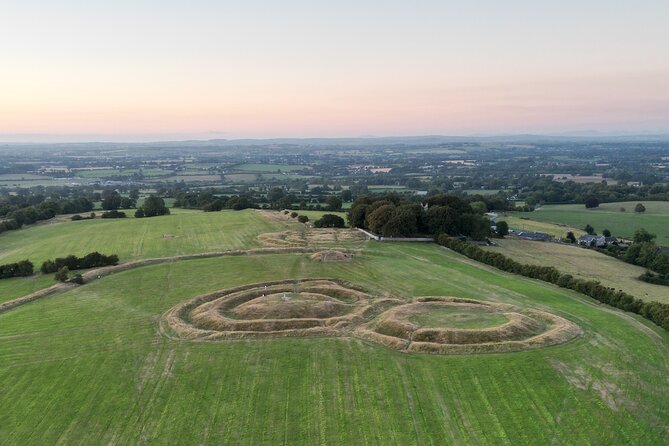
The Hill of Tara gets about 45 minutes, with admission included. This was the ancient seat of power in Ireland and remains one of the country’s most important archaeological and historical sites.
Tara is a place where the view matters as much as the remains. The hill’s importance comes from its role in Irish kingship, political tradition, and national memory. It also connects naturally with Slane, since the Saint Patrick story places the two hills in the same broad setting.
Do not expect a castle or a single large building. Tara is best understood as a historic site spread across open ground. The experience depends on looking carefully, listening to the explanation, and picturing how the hill functioned as a center of authority.
The 45-minute stop should give you time to see the main area and take in the setting. It is not enough for an exhaustive archaeological study, but few people need that on a day already packed with major sites.
Bective Abbey and a quieter medieval pause
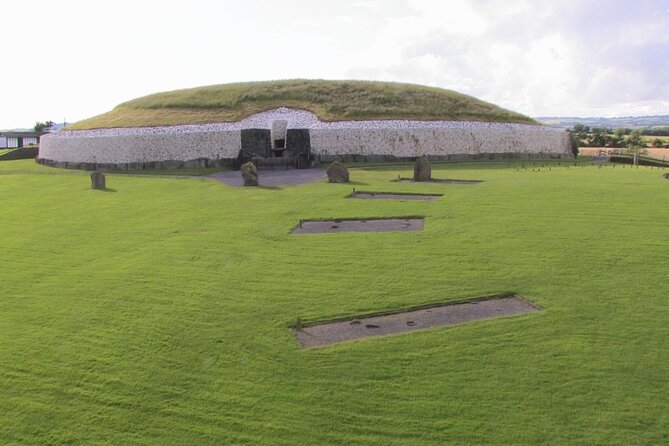
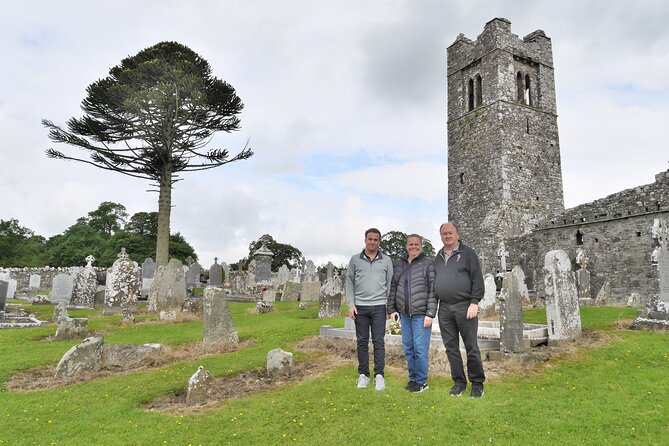
Bective Abbey, near the River Boyne, was founded in 1147 by Murchad O’Melaghlin, the King of Meath. It was Ireland’s second Cistercian abbey, following Mellifont.
You have about 35 minutes here, and admission is free. Bective is a good counterpoint to Newgrange and Tara because it is quieter and more intimate. The remains are well preserved, and you can get a closer sense of medieval monastic architecture without giving over half the day.
This is another stop where a guide adds context. On your own, you might see a ruined abbey and move on. With the wider route in mind, you can compare Bective with Mellifont and see how the Cistercian story developed across the valley.
The short visit also makes Bective a practical stop late in the day. It offers a change of scale before Trim Castle, but you should not expect a full interior tour or extended time for wandering.
Trim Castle and the medieval finish
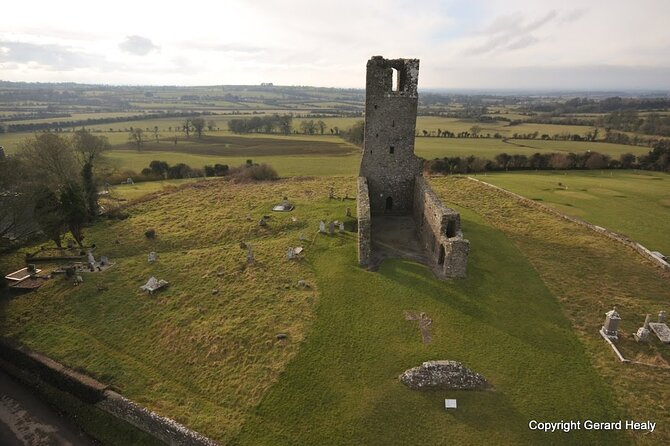
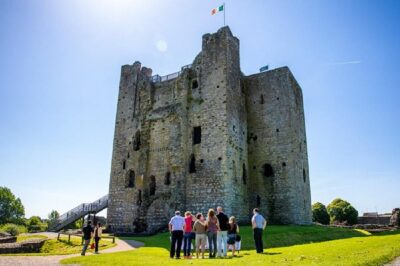
Trim Castle receives the longest stop after Newgrange, about two hours. Built over roughly 30 years by Hugh de Lacy and his son Walter in the late 12th century, it was the administrative center of the Lordship of Meath.
This is the most imposing structure on the route. The castle has a three-story cruciform keep, a curtain wall, defensive towers, and a moat. Its position on the south bank of the River Boyne helped make it a major medieval stronghold.
The two-hour allocation makes sense because Trim Castle is large and visually complex. Modern walkways allow you to explore more of the site and appreciate the scale of the keep and defenses. Admission is not included, so check the current entry cost when booking. The supplied information confirms a separate charge but does not give a price.
Trim also brings in several layers of later history. King John and Richard II visited the castle, and the site was used as a filming location for Braveheart. The film connection may catch your attention, but the castle itself is the reason to come. Its size makes the power of the medieval lordship easy to understand.
The drawback is that Trim comes late in an already full day. If your group spends extra time at Newgrange, the final stop could feel rushed. On the other hand, ending with the castle gives the route a dramatic finish and a clear shift from prehistoric and early Christian Ireland into the medieval period.
What the private format adds
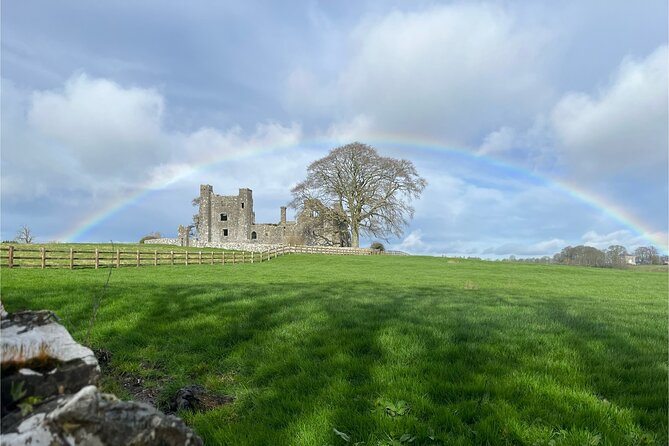
The tour is private for your group only, with a maximum of six people. That is a major advantage if you are traveling with family or friends and want one vehicle for the day.
Pickup is offered from your Dublin hotel. Private transportation, parking fees, and bottled water are included. Those details may sound basic, but they matter on a rural sightseeing day. You do not have to arrange separate transfers, find parking at each stop, or carry drinks for the whole route.
Ger Healy is the named provider and guide. A previous group had him on time at the hotel and credited him with helping them see the Boyne Valley in one day. The useful takeaway is not that every day will produce special access, but that a local guide can help with timing and practical decisions.
You should still be clear about what the private format does not include. Lunch is not included, and the tour does not promise stops beyond the listed route. If you want a long pub meal, extra villages, or additional archaeological sites, ask before booking. The schedule has little spare room.
Is $1,087.16 good value for six people?
The listed price is $1,087.16 per group of up to six. Split six ways, that is about $181 per person before the separate Newgrange and Trim Castle admissions and any lunch. For two people, the same tour costs about $544 each before those extras, so the value depends heavily on group size.
For six people, the price can make sense. You are paying for a full private vehicle, hotel pickup, parking, bottled water, and a guide who handles a difficult rural route. You also avoid the time and hassle of connecting several separate tours or hiring transport for each site.
For a couple, the cost is much harder to justify unless privacy and convenience are your top priorities. A shared excursion could cost less, though it may not cover these same six stops or offer the same flexibility.
The price is strongest for families and small groups who want to see major Boyne Valley sites without driving themselves. Remember to add the €18 Newgrange tour and exhibition charge, Trim Castle admission, and lunch to your budget.
Who should book this Boyne Valley day?
I would recommend this tour to you if you want a high number of important sites in one day and prefer a private vehicle. It suits history-minded families, small groups of friends, and anyone who would rather leave Dublin with a guide than manage rural roads and parking.
It is also a good fit if you want variety. Newgrange gives you prehistoric archaeology. Mellifont and Bective cover medieval religious foundations. Slane and Tara bring in Ireland’s early Christian and royal traditions. Trim Castle supplies the large-scale medieval finish.
I would hesitate if you dislike a tight schedule, want a long lunch, or prefer to spend an entire day at one major site. The tour is designed for coverage, not a slow pace. You should also be comfortable with moderate walking and uneven historic sites.
Free cancellation is available up to 24 hours before the start time. Changes or cancellations made less than 24 hours ahead are not accepted for a refund.
Should you book it?
Book this private Boyne Valley tour if your group has six or fewer people and wants to connect Ireland’s biggest historical chapters in one well-planned day. The strongest reasons are the private pickup, the wide mix of sites, the three hours reserved for Newgrange, and the chance to benefit from Ger Healy’s local help.
Before booking, confirm the current admission arrangements for Newgrange and Trim Castle, and decide where lunch fits into the schedule. If you accept the busy pace, this is a powerful way to see the Boyne Valley without wasting time on transport. If you want a leisurely day, choose fewer sites instead.
FAQ
How long does the Boyne Valley tour last?
The tour lasts approximately 6 to 8 hours. The scheduled stops total about 7 hours and 40 minutes, not counting driving time or lunch.
Where does pickup take place?
Pickup is offered from your hotel in Dublin.
How many people can join the private tour?
The price covers a private group of up to six people. Only your group participates in the activity.
Is the Newgrange admission included?
No. The Newgrange tour and exhibition cost an additional €18 per booking.
Is lunch included?
No. Lunch is not included in the tour price.
What is included in the tour price?
Private transportation, parking fees, and bottled water are included.
Just added around Dublin
- Wicklow: Private Day Tour from Dublin★ 5.0 · 5 reviews
- Wicklow Mountains Private Day Tour including Glendalough★ 5.0 · 7 reviews
- Wicklow Mountains & Glendalough Luxury Private Day Tour★ 5.0 · 23 reviews
- Wicklow tour of Glendalough★ 4.5 · 8 reviews
- Women Of Ireland: Trailblazers & Pioneers★ 5.0 · 4 reviews
- Waterford Crystal and Kilkenny Full-Day Rail Tour from Dublin★ 5.0 · 3 reviews
- Full Day Private Wicklow Tour★ 5.0 · 12 reviews
- Dublin To Kilkenny Castle Waterford Crystal Private Car – Day Tour★ 5.0 · 8 reviews
Boyne Valley and Newgrange Day Trips, compared.
Celtic Boyne Valley & Ancient Sites Day Tour From Dublin
Read our review →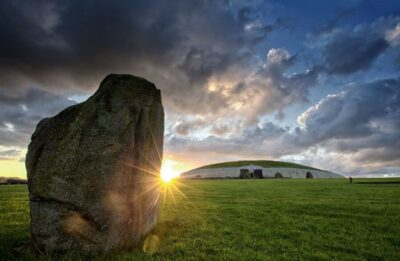
Boyne Valley with Newgrange and Bru Na Boinne Entry
Read our review →
Dublin to Newgrange, Monasterboice Small Group Guided Tours
Read our review →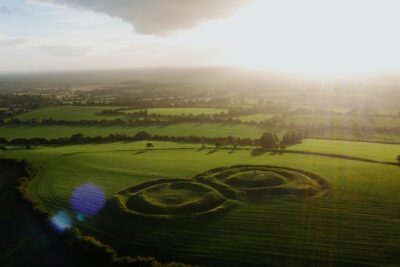
6 hour Half-Day Award Winning Private Tour of the Boyne Valley
Read our review →
Full-Day Irelands Ancient Boyne Valley Private Guided Tour
Read our review →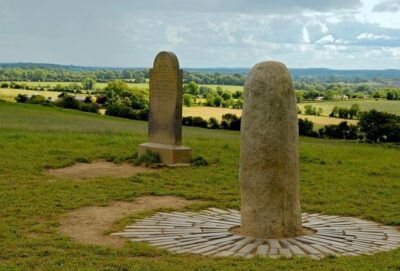
Browse the lists this tour appears in