
Reviewed · BOYNE VALLEY AND NEWGRANGE DAY TRIPS
Dublin: Boyne Valley with Newgrange and Bru Na Boinne Entry
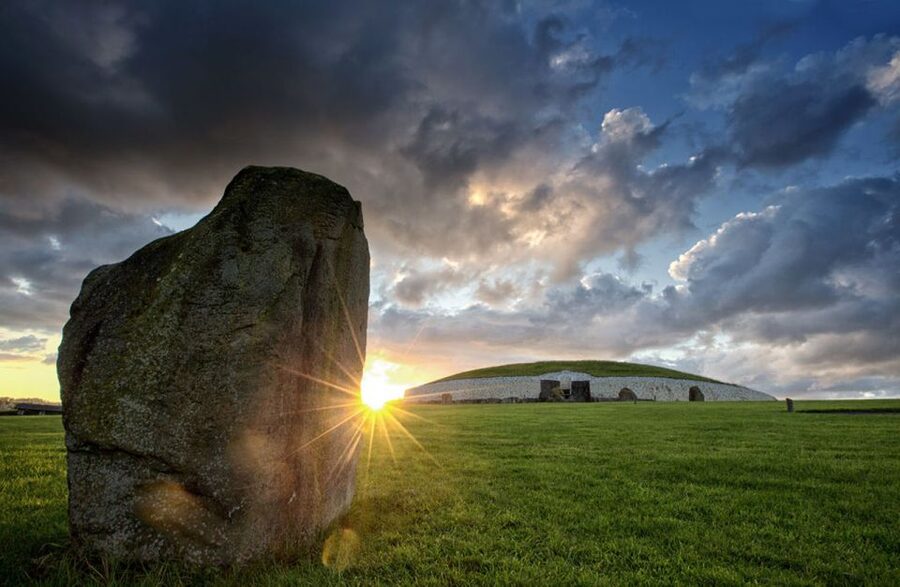
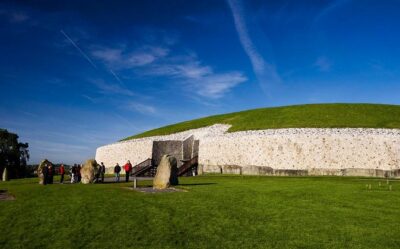
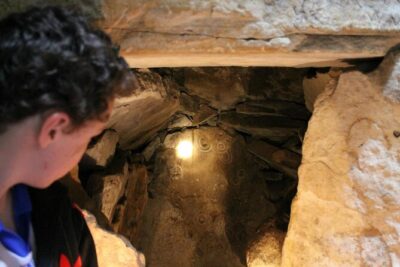
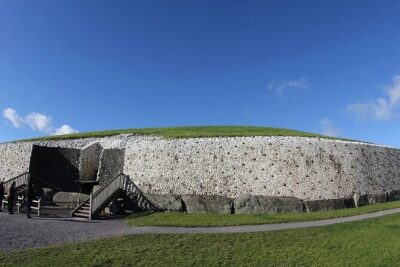
Newgrange is the star here: a 5,000-year-old passage tomb built before Stonehenge and the Egyptian pyramids. You enter its narrow passage, hear how sunlight reaches the inner chamber at the winter solstice, and begin to see Ireland’s past as something far older than castles and Celtic legends.
I like the way this tour joins Newgrange with the Battle of the Boyne Visitor Centre, giving you both prehistoric Ireland and the political struggle that shaped later Irish history. I also like the short stop at Monasterboice, where a 28-metre round tower and finely carved high crosses reward even a brief visit.
The main caution is pace. Eight hours covers a lot, and the food choice at the Newgrange visitor centre may not suit everyone. From November 1 to March 1, Knowth is not accessible, so the Bru na Boinne portion is shorter.
Key points to know before booking
- Newgrange is the main event: Enter an ancient passage tomb with guided access included.
- Knowth changes by season: It is included when accessible, but closed from November 1 to March 1.
- Three layers of Irish history: The day moves from Neolithic monuments to a 17th-century battle and a medieval monastic site.
- Guides make the difference: Matt, Kevin, and Richard are noted for clear stories, good timing, humor, and thoughtful explanations.
- You are back in Dublin the same day: The advertised return is around 5 PM, leaving room for an evening in the city.
- Pack for Irish weather: Wear comfortable shoes and bring an umbrella.
Why Newgrange deserves the full day
The Boyne Valley is one of Ireland’s best places to see the country’s past in layers. The Boyne River runs through County Meath and County Louth toward Drogheda, and ancient monuments, battlefields, churches, and round towers sit within a relatively compact area.
For me, Newgrange gives the day its sense of wonder. The monument is not simply an old pile of stones. It was designed with a passage and chamber aligned to the sun, and its purpose appears to have included religious, ceremonial, and astronomical meaning.
Your visit includes entry to Newgrange and the Bru na Boinne area, along with skip-the-queue access. That matters because the site is the busiest and most structured part of the day. You are not left to figure out the monument alone. The official site guides explain what you are seeing, while your Hilltoptreks guide adds context during the drive and between stops.
The best part is the shift in scale. From outside, the grassy mound looks calm and almost simple. Inside, the narrow passage makes the builders’ work feel much more demanding. The tour also explains the famous sunlight effect associated with the winter solstice, when the sun reaches into the chamber.
You should expect a set visiting schedule rather than unlimited time to wander. The Bru na Boinne visit takes a substantial portion of the morning, listed at about three hours in the itinerary, with transport, waiting, explanations, and sightseeing included. That is sensible for a major archaeological site, but it also means you should not plan on stopping everywhere for as long as you like.
More Boyne Valley and Newgrange day trips:
- Celtic Boyne Valley & Ancient Sites Day Tour From Dublin
★ 4.5 · 865 reviews - From Dublin: Celtic Boyne Valley and Ancient Sites Tour
★ 4.5 · 618 reviews - Dublin to Newgrange, Monasterboice Small Group Guided Tours
★ 4.5 · 500 reviews
Knowth and the seasonal difference
Knowth is part of the Bru na Boinne experience when it is open. It adds another view of the Boyne Valley’s Neolithic monuments and helps you understand that Newgrange was not an isolated construction. Together, the sites show the scale and planning of the ancient community that built them.
The important practical detail is the winter closure. From November 1 through March 1, Knowth is not accessible, and the visit is shorter. Newgrange remains the major reason to book, but you should check the date before paying if seeing both monuments is important to you.
The tour’s value is strongest when your guide uses the coach ride to set the scene. Matt is praised for explaining Irish history in a way that makes the sites easier to read. Kevin is also noted for keeping the schedule moving while adding stories and humor. Richard is described as calm, kind, and careful with explanations.
That commentary matters here. Without it, you might see a large mound, an old church, and a battlefield without understanding how they connect. With it, the Boyne Valley becomes a long story about settlement, belief, power, and cultural change.
The drive from Dublin and the small-minibus feel
The meeting point is the Molly Malone statue on Suffolk Street. You should arrive 10 minutes before departure and look for a small white minibus with the Hilltoptreks sign.
The ride from Dublin to the Boyne Valley takes about an hour. A minibus is a practical choice for this route because the day includes several stops and rural roads. It also gives the guide a chance to speak directly to the group, rather than leaving you with only a recorded commentary.
The transport is not the attraction, but it shapes the experience. The best guides use the drive as part of the tour, explaining Irish history and pointing out why the Boyne Valley matters before you arrive. Several guides are singled out for safe driving, clear instructions, humor, and good control of the timing.
You should still expect a full touring day. The listed duration is eight hours, though some groups return closer to 4:30 PM and the advertised arrival is around 5 PM. Departure times vary, so check the available start time when booking.
The Battle of the Boyne Visitor Centre
After the prehistoric monuments, the tour turns to the Battle of the Boyne Visitor Centre. This gives the day a sharp historical change of direction.
The Battle of the Boyne took place in 1690. It was fought between the Catholic King James II and the Protestant William of Orange, the King of Holland, over the English throne. The result shaped political power in Ireland, Britain, and Europe.
This is not just a military stop. The battle helps explain the long conflict between communities in Ireland and why July 12 remains an important date for the Loyalist community in Northern Ireland. The visitor centre also addresses the displacement of Irish Catholics and the wider damage done to Irish culture and political life.
You have about an hour here according to the itinerary, though the description gives approximately 1.5 hours. Either way, the stop is long enough for a proper visit rather than a quick photograph. You can expect time for the visitor centre, a break, and some outdoor sightseeing.
I like this part of the route because it prevents the tour from becoming a simple parade of old stones. Newgrange takes you thousands of years into the past, while the Boyne battlefield shows how later struggles over religion and monarchy affected Ireland. The contrast is useful.
The main limitation is that the subject is complicated. A short visit cannot explain every part of Irish and British political history. Your guide can give you the basic framework, while the centre adds displays and interpretation. If you already have a strong interest in the Battle of the Boyne, you may wish for more time.
A completely different kind of day out of Dublin:
- Dublin to Cliffs of Moher, including Wild Atlantic Way and Galway
★ 5.0 · 23,331 reviews - From Dublin: Cliffs of Moher, Burren & Galway City Day Tour
★ 4.8 · 18,888 reviews - Dublin: Guinness Storehouse Entry Ticket
★ 4.6 · 16,863 reviews - Dublin to Cliffs of Moher, Burren, Wild Atlantic Way, Galway Tour
★ 5.0 · 12,924 reviews
Monasterboice and Ireland’s carved crosses
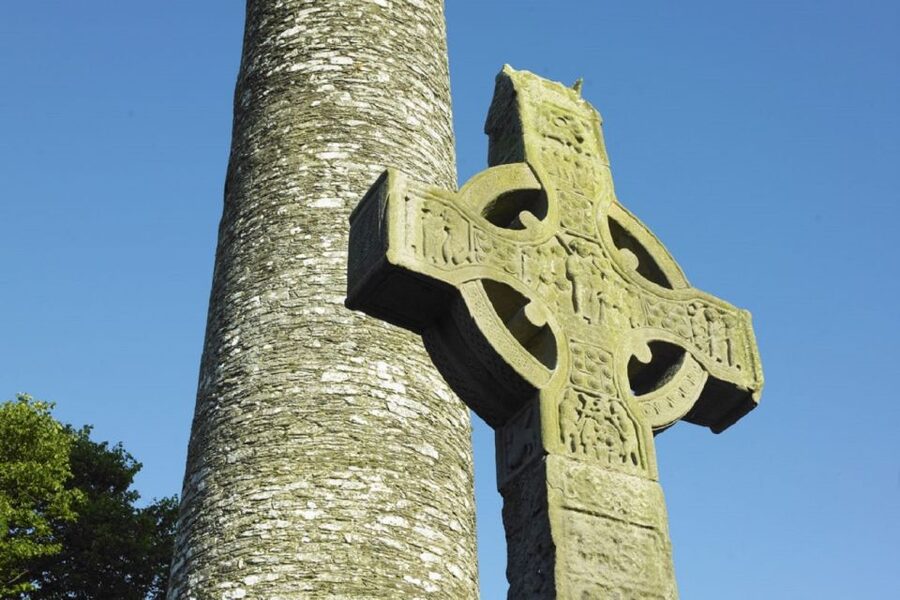
The final major stop is Monasterboice, a former monastic site founded by St Buithe in the fifth century. It is often called the monastery of Buithe.
This is a short visit, listed at around 45 minutes in the itinerary and described elsewhere as a half-hour stop. That does not sound long, but the site is compact. You can see the round tower, church ruins, and high crosses without needing a full afternoon.
The round tower rises about 28 metres and is in notably good condition. It was probably built shortly after 968 and was damaged by fire in 1098. The tower’s tall, narrow shape is one of the clearest signs of Ireland’s medieval monastic tradition.
The high crosses are the real prize. Three tenth-century crosses form a scriptural group, with carved scenes from the Old and New Testaments. Muiredach’s High Cross is about 5.5 metres tall and is regarded as one of Ireland’s finest. It is named for the abbot Muiredach mac Domhnaill, who died in 923.
This is where a guide’s explanation helps again. The carvings are easy to admire, but harder to read. With context, you can begin to understand the crosses as teaching tools, created for people who might not have read the Bible but could follow stories through images.
The short stop is also the main drawback. If you like old churches, stone carving, or photography, you may wish for more time. Some itineraries include other ruins, but this tour’s stated route centers on Monasterboice, so you should not book it expecting a long visit at every monastic site in the region.
How the guides shape the experience
The guide is a major part of this day. You are not simply being driven from one attraction to another.
Matt is praised for detailed explanations, strong storytelling, and the ability to keep the day comfortable even with a large group. He is also noted for knowing when to allow quiet, which is useful during a long day of history and sightseeing.
Kevin is praised for humor, safe driving, and careful timing. That last point matters because this route has fixed entry times and several stops. A guide who loses track of the clock can turn a good day into a stressful one.
Richard is described as kind, respectful, and especially good at explaining Irish history and local details. He is also noted for keeping the group informed about rules and what to expect at each site.
The exact guide depends on the departure date, so you should not assume you will have a particular person. Still, the pattern is clear: the guide is expected to handle both driving and commentary, while site staff provide the formal explanation inside Newgrange and Knowth.
Food, weather, and what to pack
Food and drinks are not included. The Newgrange visitor centre is the practical place to eat, but the food selection can be limited. If you are particular about lunch, bring a snack or buy something before departure, as long as you follow the operator’s instructions.
There are also positive impressions of the facilities at the visitor centres, including clean restrooms and reasonable food choices. Conditions can vary, so I would not build the day around a special meal. This is a history trip, not a food tour.
Wear comfortable shoes. You may be walking over grass and uneven ground at archaeological and monastic sites. Bring an umbrella because the Boyne Valley can be wet and windy, even when Dublin looks clear.
The weather can change the mood of the day, but it does not erase the value of the sites. You will enjoy the views most on a dry day, yet Newgrange and Monasterboice remain worthwhile in rain. Pack for the weather rather than hoping it behaves.
Is the $96 price good value?
At $96 per person, this is a solid value if you want to see Newgrange without arranging several separate connections and entry tickets. Transport, a live English-speaking guide, and admission to Newgrange and Bru na Boinne are included.
The price is especially fair because Newgrange requires organized entry. You are paying not only for a seat on the minibus but also for a planned route, timed access, and a guide who connects the sites.
You still need to budget for food and drinks. The tour does not include lunch, and the amount of free time at each stop is limited. If you prefer to linger at one ruin, eat slowly, or explore at your own pace, a private outing may suit you better.
For a visitor with only a few days in Dublin, the value improves. You leave the city, see monuments that predate Stonehenge, visit a major political battlefield, and return in time for an evening meal or music. That is a lot of Irish history in one day.
Who should book this day trip?
I would choose this tour if you want a guided introduction to Ireland’s ancient and political past but do not want to rent a car. It suits first-time visitors, history fans, and anyone who wants a full day outside Dublin without giving up the evening.
It is also a good match if you enjoy stories as much as photographs. The guides are central to the experience, and the drive between sites becomes useful rather than dead time.
You may want another option if you need a slow pace, have limited mobility, or want long, unstructured visits. The itinerary is full, the minibus leaves on schedule, and Monasterboice is brief.
FAQ
Where does the tour start?
Meet at the Molly Malone statue on Suffolk Street 10 minutes before departure. Look for a small white minibus with the Hilltoptreks sign.
Where does the tour finish?
The tour returns to the Molly Malone statue in Dublin.
How long does the experience last?
The advertised duration is eight hours. The expected return to Dublin is around 5 PM, though some departures may arrive closer to 4:30 PM.
Is admission to Newgrange included?
Yes. Entry fees and skip-the-queue access to Newgrange and Bru na Boinne are included.
Is Knowth open all year?
No. Knowth is not accessible from November 1 through March 1, so the Bru na Boinne visit is shorter during that period.
Is food included?
No. Food and drinks are not included, so you should plan for your own meals and snacks.
What language is the tour conducted in?
The live tour guide speaks English, and the listed tour language is English.
What should I bring?
Bring comfortable shoes and an umbrella. The tour includes outdoor stops at archaeological and monastic sites.
Should you book it?
Book this tour if Newgrange is high on your Ireland list and you want the practical ease of transport, timed entry, and a guide who can explain the sites in plain terms. The combination of Neolithic monuments, the Battle of the Boyne, and Monasterboice gives you a useful sweep through Irish history.
I would be less eager to book it if you want a relaxed lunch, long photography stops, or a deep visit to one site. For most visitors with limited time in Dublin, though, this is a well-shaped day out. Check the season first if Knowth matters to you, pack for rain, and expect the guide’s storytelling to be one of the main reasons the day works.
Just added around Dublin
- Wicklow: Private Day Tour from Dublin★ 5.0 · 5 reviews
- Wicklow Mountains Private Day Tour including Glendalough★ 5.0 · 7 reviews
- Wicklow Mountains & Glendalough Luxury Private Day Tour★ 5.0 · 23 reviews
- Wicklow tour of Glendalough★ 4.5 · 8 reviews
- Women Of Ireland: Trailblazers & Pioneers★ 5.0 · 4 reviews
- Dublin To Kilkenny Castle Waterford Crystal Private Car – Day Tour★ 5.0 · 8 reviews
- Waterford Crystal and Kilkenny Full-Day Rail Tour from Dublin★ 5.0 · 3 reviews
- Full Day Private Wicklow Tour★ 5.0 · 12 reviews
Boyne Valley and Newgrange Day Trips, compared.
Celtic Boyne Valley & Ancient Sites Day Tour From Dublin
Read our review →
Dublin to Newgrange, Monasterboice Small Group Guided Tours
Read our review →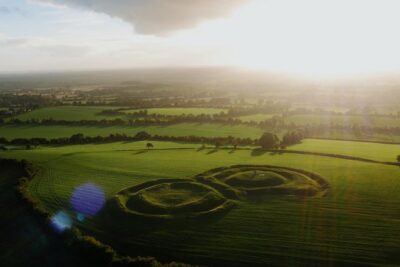
6 hour Half-Day Award Winning Private Tour of the Boyne Valley
Read our review →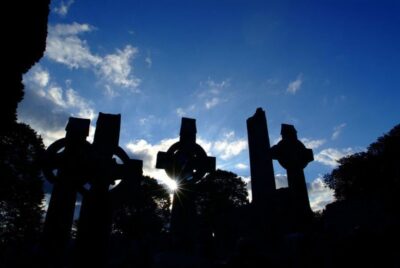
Full-Day Irelands Ancient Boyne Valley Private Guided Tour
Read our review →
Browse the lists this tour appears in