
Reviewed · DUBLIN
Windmill Lane Recording Studios – Visitor Experience
Windmill Lane lets you step inside a working Dublin recording studio, not a museum dressed up with old equipment. In about an hour, you move through three studios, hear how records are made, watch sound demonstrations, meet a virtual band, and try mixing a session yourself.
I like two things most here. First, the tour is genuinely hands-on, with the huge Neve analog mixing board and the chance to work with a mix rather than only look through a glass window. Second, the guides can make the visit work for both casual listeners and serious music fans. Maria, Marie, and Ross have all led tours, while one visit was guided by owner Naomi, giving the experience a personal feel.
The main consideration is location and timing. Windmill Lane is at 20 Ringsend Road, outside the core sightseeing zone, and the visit lasts only about an hour. Since it remains a working studio, you need to reserve ahead, and a recording session could shape what you see.
Key points to know before you book
- Three studios in one short visit: You get a look at several working spaces rather than a single display room.
- A real mixing session: You can try blending parts of a track and get a feel for the producer’s job.
- Guides with studio experience: Maria, Marie, Ross, and owner Naomi have all been praised for making the technical side clear.
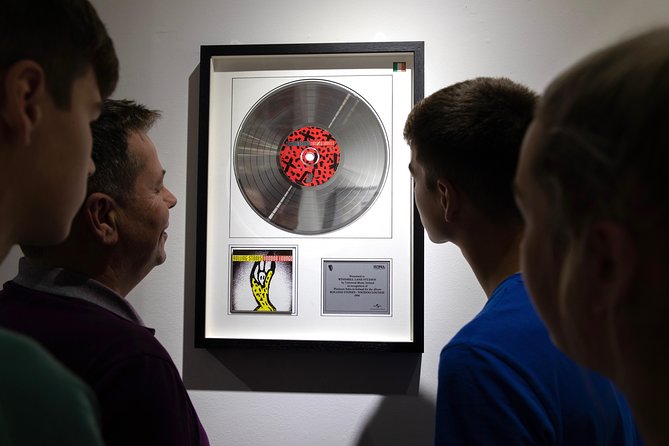
- A strong Dublin music story: The tour connects the building with major artists and albums, including a story about Bruce Springsteen recording there.
- Small groups of up to 15: This keeps the visit more personal and gives you a better chance to ask questions.
- A short walk from central Dublin: From the Trinity College area, allow roughly 20 to 30 minutes on foot.
Walking into Windmill Lane at Ringsend Road
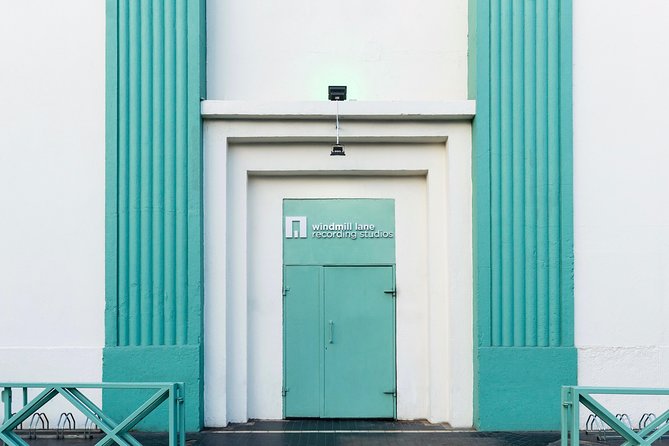
Windmill Lane Recording Studios sits at 20 Ringsend Road, Dublin 4, a little beyond the usual Trinity College and Temple Bar circuit. That position is part of the appeal. You get a look at a less touristy corner of the city, then enter a place where music is still being made.
From the Trinity College area, the walk takes about 20 to 30 minutes according to the directions provided for the experience. That makes the studio easy to pair with central Dublin sightseeing, though you should leave enough time to arrive without rushing. Public transportation is nearby as well.
The meeting point is also the end point. That is useful because you do not have to find your way to a second location after the tour. Confirmation arrives when you book, and the mobile ticket makes entry simple.
Keep in mind that this is not a large attraction with an all-day flow of visitors. The maximum group size is 15, and advance booking is essential because the building still operates as a recording studio. The time you select matters.
Other Dublin days people line up beside this one:
- Dublin to Cliffs of Moher, including Wild Atlantic Way and Galway
★ 5.0 · 23,331 reviews - From Dublin: Cliffs of Moher, Burren & Galway City Day Tour
★ 4.8 · 18,888 reviews - Dublin: Guinness Storehouse Entry Ticket
★ 4.6 · 16,863 reviews
Why a working studio feels different
A studio tour can easily become a display of old microphones and framed photographs. Windmill Lane offers more than that because the rooms and equipment are tied to current recording work.
You may see a space that has been used by professional musicians, then hear how the room functions during a session. The setting gives the stories more weight. A mixing board is not just an object behind a barrier. It is part of the process that turns separate performances into a finished song.
The building’s connection with major artists is central to the visit. The tour covers the musicians and productions associated with Windmill Lane, and one recent account singled out Bruce Springsteen having worked in the same studio shortly before that visit. The names matter, but the better point is understanding how a Dublin studio became part of international music-making.
You also get anecdotes about the people who have worked in the building. These personal details help break up the technical talk and give the hour a human side. If you are not deeply into music, the stories keep the tour accessible.
Studio 1 and the famous Neve mixing board
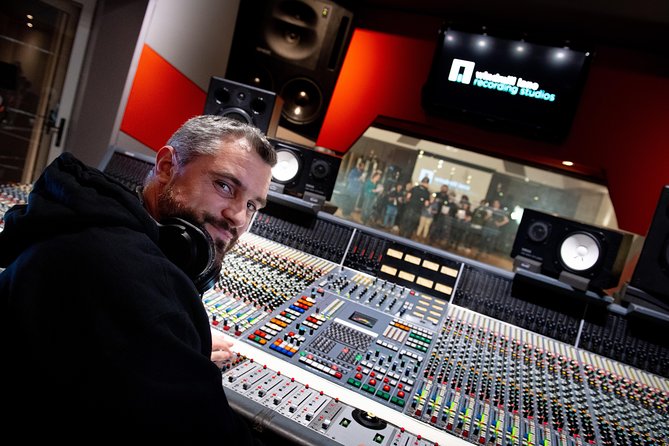
Studio 1 appears to be one of the main draws. The room gives you a chance to see the scale of a professional recording setup, including a large Neve analog mixing board.
For a music fan, this is the sort of equipment that makes the visit worth the ticket by itself. A mixing board can look intimidating at first, but the guide explains its role in practical terms. You begin to see how vocals, guitars, drums, and other sounds can be handled as separate pieces before they are brought together.
The board is also a good reminder that recorded music is not made with one button. Engineers shape levels, timing, effects, and balance. A visit here can turn a familiar song into a more complicated piece of work in your mind.
The scale may surprise you. One parent-and-child visit found the mixing board massive, which is a fair warning for anyone expecting a small modern control desk. You will have photo opportunities, although the precise access can depend on studio activity and the guide’s instructions.
Seeing all three studios
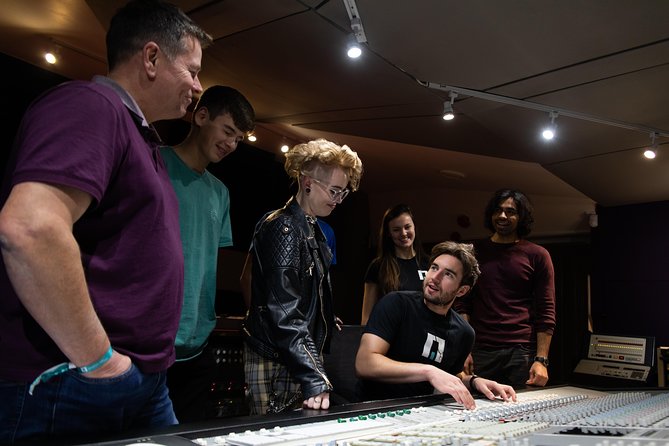
The visit includes three different studios, giving you a wider picture of how recording spaces can vary. The supplied information does not promise that every room will be available in the same way on every date, and the company’s working schedule may affect access.
That is not a flaw so much as a condition of visiting a live studio. You are seeing a functioning workplace, not a fixed exhibition. The trade-off is that the tour feels more authentic, but you should not expect every piece of equipment to be available for unrestricted handling.
As you move between rooms, the guide explains how recording sessions work. You learn about the path from performance to finished track, then see the tools and spaces involved. The mix of rooms, stories, and demonstrations gives the hour a clear rhythm.
For people with some music training, this part can go further. A guide with experience as a composer and engineer, such as Maria, can answer detailed questions about production and studio technique. For everyone else, the explanation stays grounded in what you can hear and see.
A completely different kind of day out of Dublin:
- Dublin to Cliffs of Moher, Burren, Wild Atlantic Way, Galway Tour
★ 5.0 · 12,924 reviews - Dublin to Belfast Black Cab, Dunluce Castle and Giant’s Causeway
★ 5.0 · 7,954 reviews - Kilkenny, Wicklow Mountains & Glendalough Day Tour from Dublin
★ 5.0 · 7,897 reviews - From Dublin: Wicklow Mountains, Glendalough & Kilkenny Tour
★ 4.8 · 6,235 reviews
Meeting the virtual band
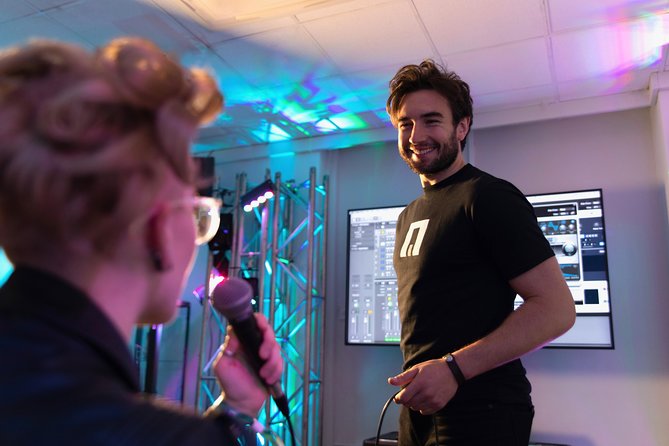
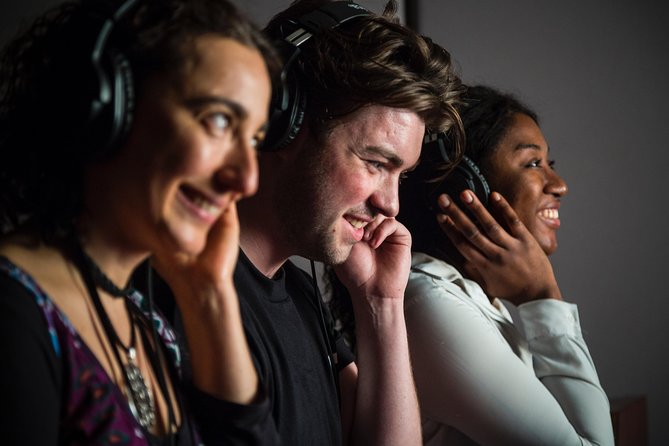
The virtual band is one of the more playful parts of the experience. It helps show how separate musical parts can be combined, and it gives the tour a visual element beyond control rooms and cables.
This feature works well for families and mixed-interest groups. A committed music fan can focus on the production side, while someone less familiar with recording still gets a clear sense of how a band can be assembled in the studio.
The sound demonstration adds another layer. You hear how sound can change and how production choices affect what reaches your ears. The point is not to turn you into an engineer in 60 minutes. It is to make the process easier to understand by letting you hear the difference.
That hands-on approach is why the tour suits more than musicians. You do not need to know studio jargon before arriving. The guide can explain the basic ideas, then let you explore the result.
Mixing your own session
The strongest interactive feature is the chance to mix your own session. Instead of simply watching a professional demonstrate the controls, you get a taste of making choices yourself.
You may adjust the balance between different parts and hear how those changes affect the track. That small exercise shows why a producer or engineer must listen closely. A vocal can become too quiet, a rhythm part can dominate, or an effect can change the mood.
This is not a full recording course, and the visit is too short for that. Still, it gives you a useful glimpse of the work behind finished music. For a beginner, it turns an abstract explanation into something you can grasp quickly. For a musician, it may prompt more technical questions.
The experience is also social. With a maximum of 15 people, the group is small enough for questions and participation without becoming a packed crowd. The exact level of hands-on time can depend on the group and the studio schedule, so I would book this for the chance to try the process, not for a guaranteed private mixing lesson.
Guides make the technical side approachable
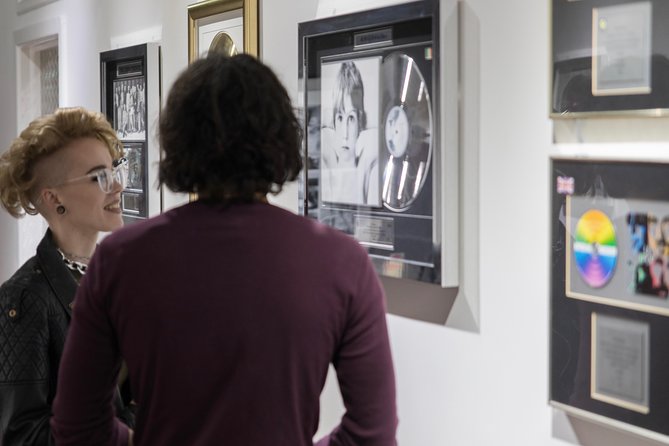
The guide can make or break a studio visit. Windmill Lane has used several guides, including Maria, Marie, and Ross, and the feedback consistently highlights their warmth, enthusiasm, and ability to answer questions.
Maria is described as an experienced composer and engineer, which matters if you want to ask how recording works beyond the basic level. Marie has been praised for encouraging questions and allowing plenty of photo opportunities. Ross has been noted for his enthusiasm and clear presentation.
One visit was led by Naomi, one of the owners. An owner-led tour can add useful personal detail about the studio and its operation, though you should not assume that Naomi will lead your particular time slot.
The guide’s role is especially important for a mixed group. A serious music fan may want to talk about analog equipment and production methods. Someone else may simply want to hear about the artists who recorded there. The best part of this tour is that both interests can fit into the same hour.
Who will get the most from the hour

You should consider Windmill Lane if you are interested in:
- Recording technology and music production
- The history of major Dublin studios
- Artists who have worked in Ireland
- A short, unusual activity away from the busiest tourist streets
- A family outing with something to see and do
- A hands-on experience rather than a standard guided walk
You do not need to play an instrument. The sound demonstrations and virtual band give non-musicians an entry point, while the equipment and mixing exercise add detail for music fans.
It is also a good choice for couples or families with different interests. One person can enjoy the artist stories, another can focus on the technical side, and both can take part in the mix.
The tour may be less satisfying if you want a long museum visit, a broad survey of Dublin, or a full recording session with live musicians. It is a focused one-hour experience about one studio and the work done inside it.
Price, length, and overall value
The price is $31.44 per person for about one hour. That is not the cheapest short activity in Dublin, but the value depends on what you want from a tour.
You are paying for access to a working studio, a guide, the history of the place, demonstrations, and interactive elements. The chance to see three studios and try mixing your own session gives it more substance than a simple walk through a music-themed room.
I think the price works best for people who will take part in the hands-on sections and ask questions. If you only want a quick look at famous equipment, the hour may feel brief. If you care about how songs are made, the combination of stories, sound demonstrations, and mixing practice makes the cost easier to justify.
The small group also matters. A maximum of 15 people gives the guide room to respond to individual questions. It does not guarantee a private tour, but it should feel more personal than a large attraction with dozens of people moving through at once.
Free cancellation is available if you cancel at least 24 hours before the start time. Changes or cancellations made within 24 hours are not refunded, so book a time you can keep.
Practical points for your Dublin day
Wear something comfortable enough for an hour of standing and moving through the studios. A moderate level of physical fitness is recommended, though no demanding activity is described.
Service animals are allowed, and the site is near public transportation. The mobile ticket is convenient, and confirmation is provided at booking.
Plan your route before leaving the city center. The walk from Trinity College is direct and takes roughly 20 to 30 minutes, but you should not cut it close. The studio is a working business, so arriving on time matters more than it would at a flexible museum.
There is a small gift shop with music-related items. It is not a major shopping stop, but it gives you a chance to take home a modest reminder of the visit.
Should you book Windmill Lane?
I would book this if you want an unusual Dublin activity with real music-making behind it. The strongest reasons are the working studio setting, the three rooms, the major artist connections, and the chance to mix a session yourself.
Book it especially if someone in your group plays music, records at home, or enjoys learning how songs are built. It also works for people who simply want a short, engaging visit outside central Dublin’s usual route.
I would skip it if you want a long attraction with lots of objects to browse or if your Dublin schedule cannot spare the trip to Ringsend Road. For most music fans, though, the hour offers a rare look behind the studio door, with enough interaction to make the equipment and stories stick with you.
FAQ
Where does the Windmill Lane Recording Studios experience begin?
It begins at 20 Ringsend Road, Dublin 4, D04 CF66, Ireland.
Where does the experience end?
The activity ends back at the meeting point at Windmill Lane Recording Studios.
How long does the tour last?
The tour lasts approximately one hour.
How much does the experience cost?
The listed price is $31.44 per person.
Is the tour offered in English?
Yes. The experience is offered in English.
How many people can join the tour?
The activity has a maximum of 15 travelers.
Do I need to book in advance?
Yes. Windmill Lane is a working recording studio, so advance booking is essential. Booking ahead also lets you guarantee your preferred day and time.
Can I cancel for a refund?
Yes. You can cancel at least 24 hours before the start time for a full refund. Cancellations or changes made less than 24 hours before the start time are not refunded.
Just added around Dublin
- Wicklow: Private Day Tour from Dublin★ 5.0 · 5 reviews
- Wicklow Mountains Private Day Tour including Glendalough★ 5.0 · 7 reviews
- Wicklow Mountains & Glendalough Luxury Private Day Tour★ 5.0 · 23 reviews
- Wicklow tour of Glendalough★ 4.5 · 8 reviews
- Women Of Ireland: Trailblazers & Pioneers★ 5.0 · 4 reviews
- Dublin To Kilkenny Castle Waterford Crystal Private Car – Day Tour★ 5.0 · 8 reviews
- Waterford Crystal and Kilkenny Full-Day Rail Tour from Dublin★ 5.0 · 3 reviews
- Full Day Private Wicklow Tour★ 5.0 · 12 reviews