
Reviewed · TOURS
Dublin: Windmill Lane Recording Studios Tour
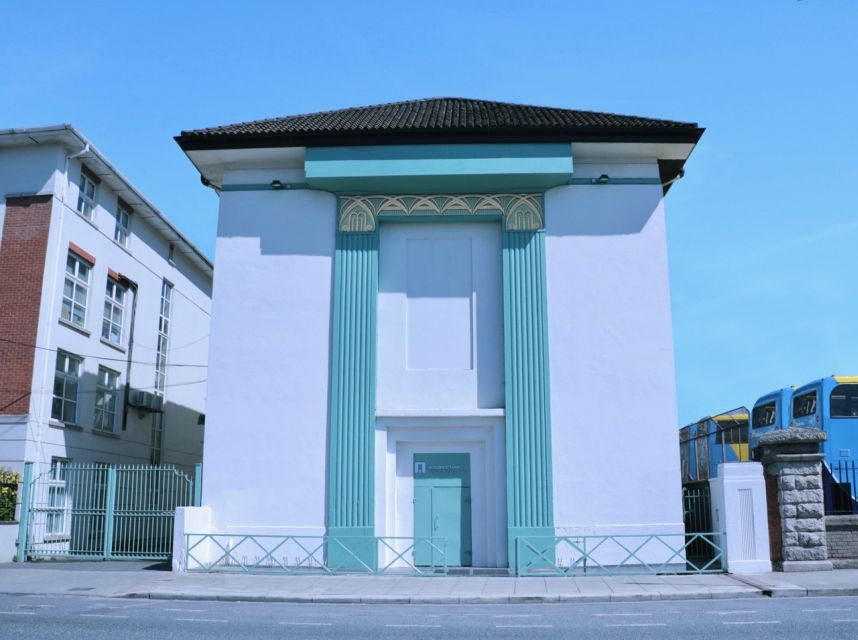
Windmill Lane Recording Studios is not a museum with glass cases and a fixed script. It is a working three-story studio where music has been made since 1978. You pass through the famous metal doors and move through the real rooms, including Studio 1, while guides explain how songs are recorded, mixed, and shaped.
I like the way the tour connects famous names to practical details. You hear about U2, The Cranberries, Hozier, Lady Gaga, Westlife, Riverdance, The Rolling Stones, Kylie Minogue, and others, then learn what actually happens behind the control-room glass. I also like the sound demonstrations, especially the 360-degree binaural recording. The main drawback is that the building has stairs and no lift, so it is not suitable for wheelchair users or people with limited mobility.
Key points
- Studio 1 puts you inside a working recording space, not a recreated attraction.
- Musician-guides such as Aidan, Maeve, Zara, Maria, Ian, and Stefan bring personal knowledge and a relaxed tone to the visit.
- Sound demonstrations make the technical side clear, including live-room recording, voice effects, mixing, and binaural audio.
- The studio’s story reaches far beyond Irish rock, with links to U2, Hozier, Lady Gaga, The Cranberries, Riverdance, The Rolling Stones, and more.
- Small groups and hands-on moments make this more engaging than a simple walk through old rooms.
- At $25 for one hour, it offers good value for music fans, but less value if you have no interest in how recorded sound is made.
Behind the metal doors on Windmill Lane
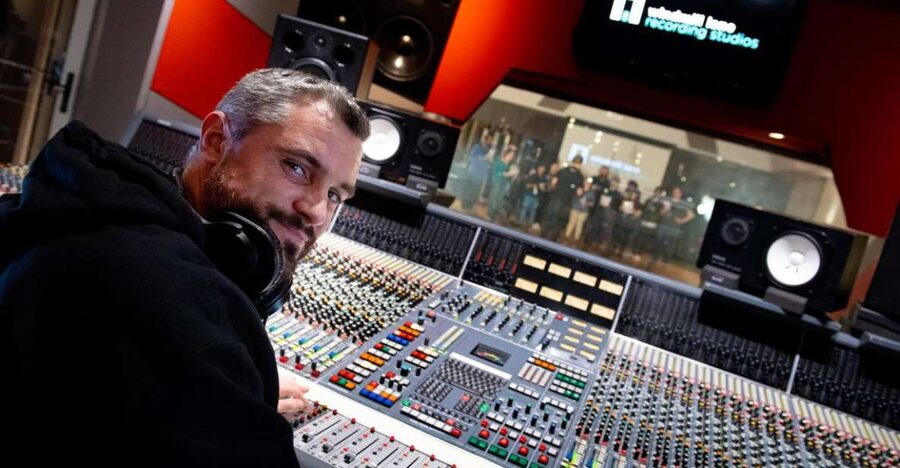
The first surprise is how ordinary and special the entrance feels at the same time. Windmill Lane Recording Studios is an active workplace, not a walk-in attraction. You need a booked time, and tours run only on selected dates and at set times.
That arrangement is part of the appeal. You are not walking through a polished visitor center built to imitate a studio. You are entering a real Dublin recording facility with decades of working life behind it. The building dates from the studio’s founding in 1978, and the tour uses its rooms, equipment, walls, and stories to explain why the place matters.
The tour lasts about one hour. That is long enough to cover the main ideas without turning the visit into a technical lecture. Guides speak English and usually adjust the level to the group. If you already know your way around microphones and mixing desks, you can ask detailed questions. If you are new to recording, the demonstrations give you a clear starting point.
I would arrive ready to listen closely. This is less about taking pictures of famous objects and more about hearing how music is built. Cameras are not allowed, so you will need to leave photography aside during the visit. Large bags and luggage are also not permitted.
Other Dublin days people line up beside this one:
- Dublin to Cliffs of Moher, including Wild Atlantic Way and Galway
★ 5.0 · 23,331 reviews - From Dublin: Cliffs of Moher, Burren & Galway City Day Tour
★ 4.8 · 18,888 reviews - Dublin: Guinness Storehouse Entry Ticket
★ 4.6 · 16,863 reviews
Studio 1 and the rooms where famous records took shape
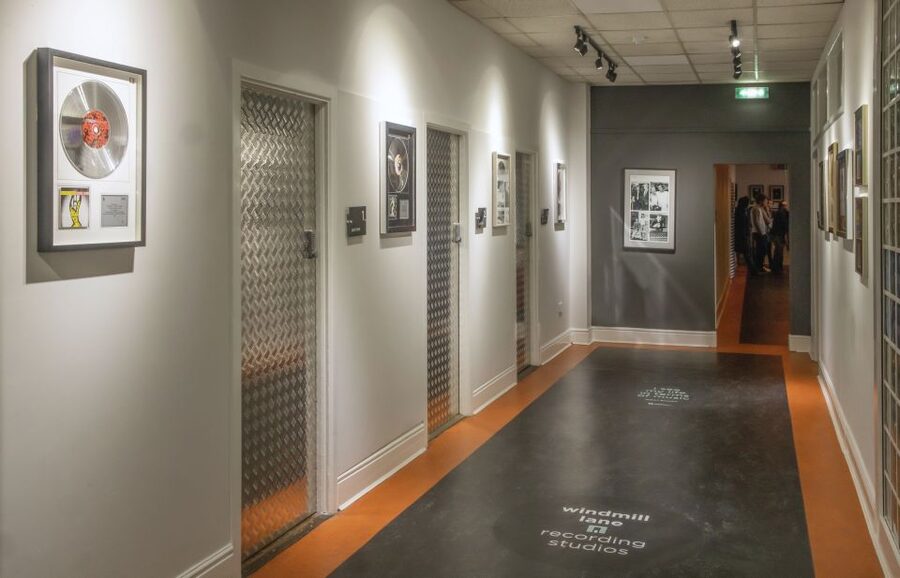
The heart of the visit is Studio 1. This is the room that gives the tour its strongest sense of place. You are not simply told that major artists worked here. You can see the kind of space in which musicians, engineers, and producers made those recordings.
The list of names is wide-ranging. U2 is an obvious part of the studio’s Dublin identity, but the story also includes The Cranberries, Hozier, Westlife, Riverdance, Kylie Minogue, Lady Gaga, and The Rolling Stones. The studio’s work reaches into rock, pop, traditional Irish performance, dance music, and film-related sound.
That variety helps the tour avoid becoming a single-band pilgrimage. You do not need to be a U2 expert to enjoy it. The useful question is not only who recorded here, but how the room and the staff helped turn a performance into something people could hear around the world.
Some tours may also take you through Studio 3, depending on the day and the working needs of the building. One account of the experience included time in both Studio 3 and Studio 1, along with a chance to sit in the sound engineers’ chairs. Since this is an active studio, access can vary. The important point is that the visit takes place in genuine working rooms rather than a replica set.
Look for the signed wall and the awards on display. Gold and platinum records, Grammy awards, and artist autographs add a human touch. They are not the whole experience, but they help you connect the technical explanations to finished music and major careers.
From early recording machines to modern software
The most useful part of the tour is the explanation of how recording has changed. You learn about early recording devices and then see how modern computer software handles sound today.
A recording studio can seem mysterious if you have never worked in one. You see a large console, rows of controls, microphones, speakers, and cables, but it is not obvious what each part does. The guide breaks down the process in plain language: a performance is captured, individual sounds are controlled, tracks are mixed, and the final recording is shaped for listeners.
The control desk is especially good for this. Visitors may get a chance to sit near the mixing console or try parts of the equipment, depending on the group and the guide. That hands-on element makes the lesson stick. You begin to understand that production is not just pressing record. It involves choices about balance, tone, timing, space, and effects.
Guides Aidan and Stefan have been singled out for making this technical material friendly and easy to follow. Maeve is also praised for a warm, thoughtful approach, while Zara, Maria, and Ian are noted for bringing energy and clear explanations. The exact guide depends on your departure, but the tour is led by people who work as musicians or producers themselves.
That matters. A guide who understands the equipment can answer the natural questions that come up: Why place a microphone in one spot rather than another? How can one voice sound close, distant, bright, or altered? What does a mixing engineer change after the musicians leave the room?
You do not need prior music training. The tour works for a first-time studio visitor, a casual listener, or a student studying music production. If you are already technically minded, ask questions early so the guide can take the discussion further.
Hearing the live room in action
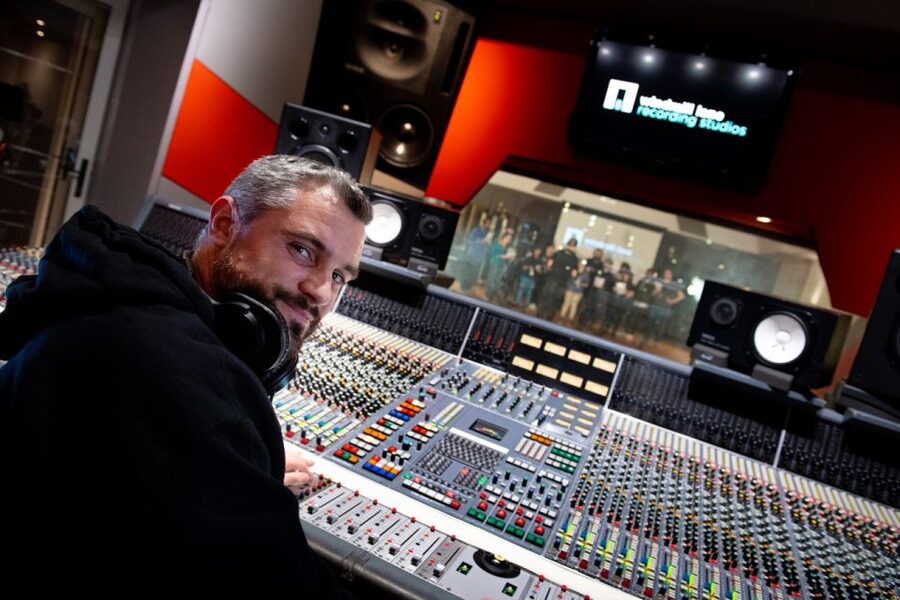
The tour does not rely only on old equipment and famous names. You also hear recordings that show what the rooms can do.
At one point, the guide plays a recording of a band performing in the live room and explains the recording process as you listen. This makes the room feel less like an empty architectural space. You can hear how sound is captured and shaped, rather than simply being told that the acoustics matter.
There is also a specially commissioned binaural recording. Binaural sound is designed to create a three-dimensional effect, and the demonstration uses 360-degree audio. Closing your eyes makes the effect easier to notice. The sound can seem to move around you rather than come from a single point in front of you.
A voice-tone alteration demonstration may also be included. It is a simple idea, but it shows how recording technology can change what you hear without changing the person making the sound. These examples give the tour a little theater without feeling like a gimmick.
I especially like this part because it serves both kinds of visitor. If you love music history, you get a sense of the studio’s work. If you care more about technology, the sound tests give you something concrete to hear. Parents with older children may find the demonstrations more engaging than a talk about equipment alone, though children under five are not suitable for the activity.
A completely different kind of day out of Dublin:
- Dublin to Cliffs of Moher, Burren, Wild Atlantic Way, Galway Tour
★ 5.0 · 12,924 reviews - Dublin to Belfast Black Cab, Dunluce Castle and Giant’s Causeway
★ 5.0 · 7,954 reviews - Kilkenny, Wicklow Mountains & Glendalough Day Tour from Dublin
★ 5.0 · 7,897 reviews - From Dublin: Wicklow Mountains, Glendalough & Kilkenny Tour
★ 4.8 · 6,235 reviews
The people behind the famous names
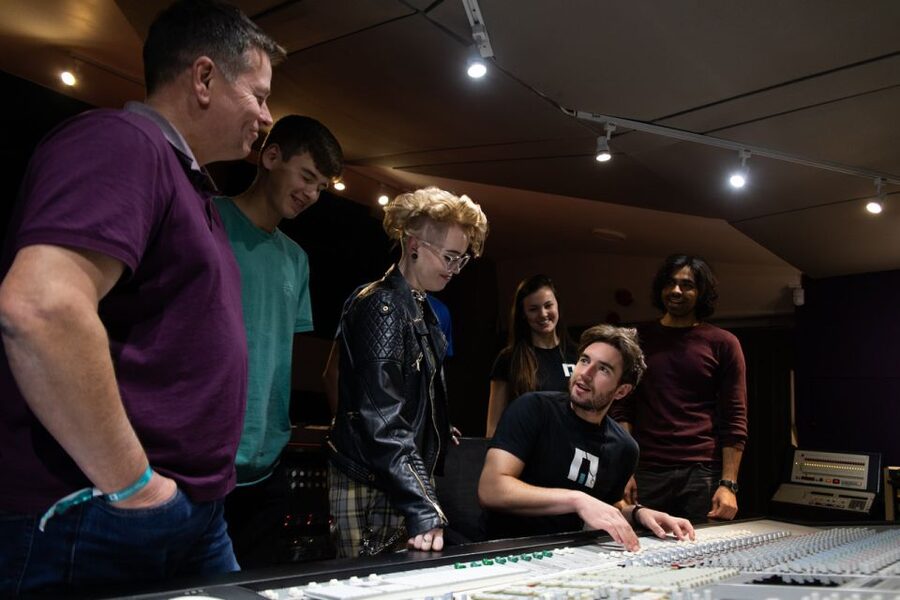
Windmill Lane’s story is not only about performers. The studio also gives attention to engineers, producers, technicians, and other staff who help create the final recording.
That is a worthwhile focus. Most listeners remember the singer or band, but a finished song depends on many skilled decisions behind the microphone. The guide explains how the people in the control room respond to a performance, solve problems, and build the final sound.
The personal style of the guides is a major strength. Aidan is described as friendly, passionate, and good at telling the story from the studio’s early days to the artists who continue to use it. Maeve brings a welcoming atmosphere and takes care with her explanations. Stefan is able to handle detailed technical subjects while adjusting to different levels of experience.
The tour also seems to work well as a conversation. Guides ask questions, invite participation, and leave room for the group to discuss favorite artists and songs. You can take part in the equipment demonstrations or hang back and watch. That flexibility is useful if one person in your party is a music producer and another simply enjoys listening to records.
The strongest guides avoid sounding as if they are reciting a memorized list. They connect the studio’s past to the practical work happening in each room. That makes the visit feel more personal and less like a display of celebrity memorabilia.
Is $25 a fair price for one hour?
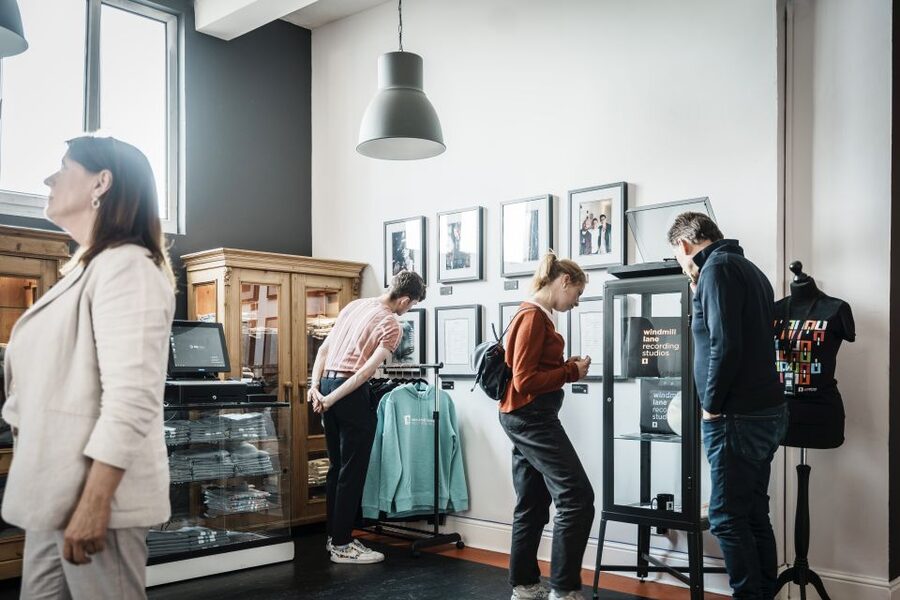
At $25 per person, this is not the cheapest short attraction in Dublin. But the price is fair if you value access to a real working recording studio, expert guidance, and live sound demonstrations.
You are paying for more than a building tour. The fee includes an English-speaking guide, an explanation of recording methods, access to key studio spaces, and demonstrations that would be difficult to reproduce in a standard music museum. The experience also offers a look at the professional side of music, not just the finished product.
Value depends on your interests. I would call it a strong buy for:
- Music fans who want to understand how recordings are made
- People interested in U2, Irish music, pop, rock, or studio production
- Students of music technology
- Couples looking for a different kind of Dublin activity
- Families with children old enough to follow a one-hour technical tour
I would think twice if you want a broad Irish culture attraction, a large museum, or a long guided visit. An hour passes quickly, and the focus stays firmly on recording. Someone who does not care about music-making may find the equipment explanations slow.
The small-group feel adds value. It allows more questions and makes the hands-on parts easier than they would be in a large crowd. Group size can vary, but the experience is designed to be interactive rather than a distant presentation.
Practical details before you book
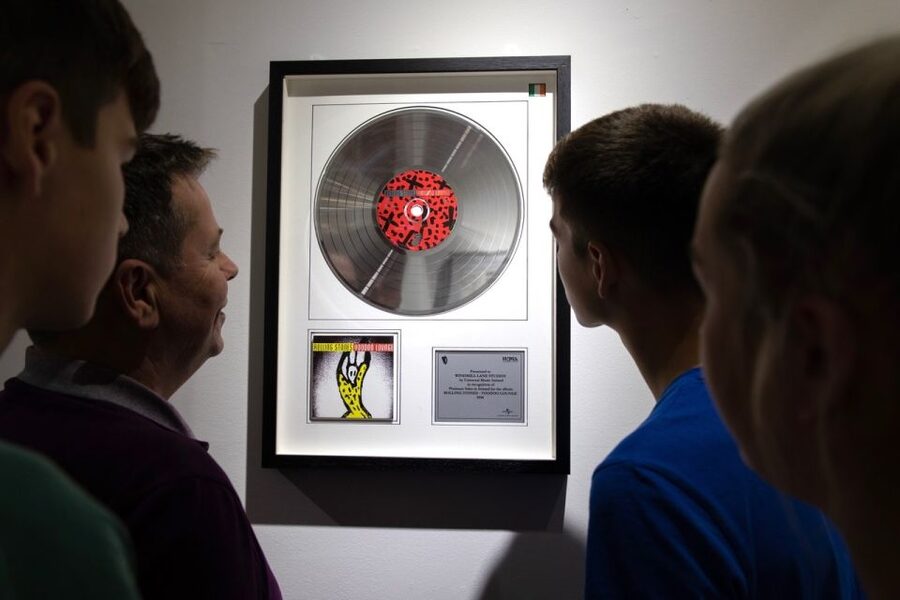
The tour starts and ends at Windmill Lane Recording Studios in Dublin County. Hotel pickup and drop-off are not included, so plan your own way to the studio. Food and drinks are not sold on-site, though convenience stores, cafés, and restaurants are close by.
Book ahead. The studio is not open for casual walk-ins, and tours run only at designated dates and times. Availability will show the starting times for your chosen day.
Wear shoes and clothing that make stairs comfortable. The studio is in a historic protected three-story building with limited access and no lift. It is not suitable for wheelchair users or people with mobility impairments, and a moderate level of physical fitness is recommended.
Keep your luggage at your accommodation or use another suitable storage option. Large bags are not allowed, and cameras are prohibited. You can still enjoy the experience without photographs, but you should know this before arriving.
The tour is conducted in English. If English is not your first language, the equipment demonstrations may help make the explanations easier to follow, but the guide’s spoken presentation remains central.
Cancellation is flexible: you can cancel up to 24 hours in advance for a full refund. The reserve-now, pay-later option can also help if your Dublin schedule is still moving around.
How Windmill Lane fits into a Dublin day
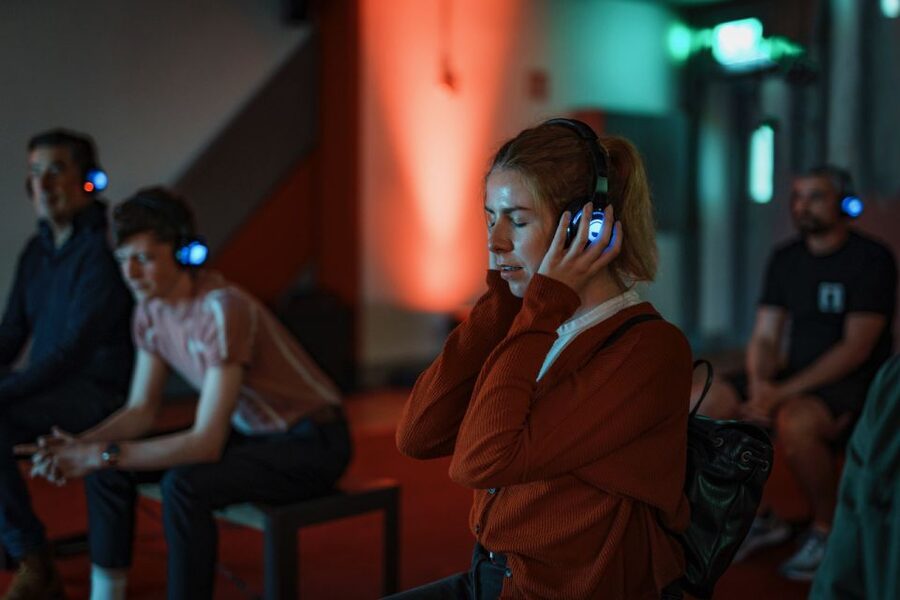
Because the tour lasts one hour and finishes where it starts, it is easy to pair with other city plans. You might schedule it between sightseeing stops, then find a nearby café or restaurant afterward.
Do not treat it as a quick photo stop. The best use of the hour is to listen, ask questions, and take part when invited. If you are a serious music fan, allow a little time afterward to discuss the artists and recordings you have just heard.
The studio’s location also makes it a good choice for a rainy day. Much of the experience takes place indoors, and the appeal comes from the rooms, equipment, and audio demonstrations rather than weather or scenery.
Should you book the Windmill Lane tour?
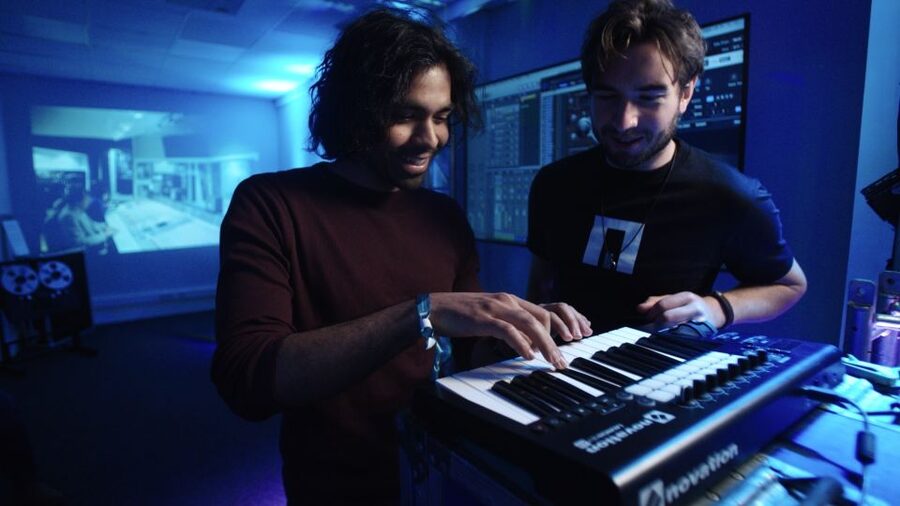
I would book this tour if music is part of the reason you came to Dublin. The combination of Studio 1, famous recording stories, working equipment, and clear sound demonstrations gives you a useful look at the craft behind the songs.
It is especially worthwhile for anyone who has wondered how a band performance becomes a polished recording. The tour makes that process understandable without requiring a technical background.
Skip it if you need step-free access, want a photography-focused attraction, or have no interest in recording technology. For everyone else, $25 buys a personal, focused hour in one of Dublin’s best-known music workplaces, with guides who can turn a mixing desk and a live room into a lively story.
FAQ
How long is the Windmill Lane Recording Studios tour?
The tour lasts one hour.
What language is the tour conducted in?
The live guided tour is conducted in English.
Where does the tour start and finish?
It starts at Windmill Lane Recording Studios and ends back at the same meeting point.
What artists are connected with Windmill Lane Recording Studios?
The studio has links to artists and productions including U2, Hozier, Westlife, The Cranberries, Lady Gaga, Kylie Minogue, Riverdance, and The Rolling Stones.
Will I visit Studio 1?
Studio 1 is a central highlight of the experience. The tour explains the music created there and gives you access to the studio space.
Can I bring a camera or large bag?
No. Cameras and luggage or large bags are not allowed.
Is the tour suitable for wheelchair users?
No. The historic three-story building has limited access and no lift facilities, so it is not suitable for wheelchair users or people with mobility impairments.
Can I cancel my booking?
Yes. You can cancel up to 24 hours in advance for a full refund. You can also reserve now and pay later, subject to the booking conditions.
Just added around Dublin
- Wicklow Mountains Private Day Tour including Glendalough★ 5.0 · 7 reviews
- Wicklow: Private Day Tour from Dublin★ 5.0 · 5 reviews
- Wicklow Mountains & Glendalough Luxury Private Day Tour★ 5.0 · 23 reviews
- Wicklow tour of Glendalough★ 4.5 · 8 reviews
- Women Of Ireland: Trailblazers & Pioneers★ 5.0 · 4 reviews
- Dublin To Kilkenny Castle Waterford Crystal Private Car – Day Tour★ 5.0 · 8 reviews
- Waterford Crystal and Kilkenny Full-Day Rail Tour from Dublin★ 5.0 · 3 reviews
- Full Day Private Wicklow Tour★ 5.0 · 12 reviews
Tours, compared.
Cliffs of Moher, Burren & Galway City Day Tour
Read our review →
Dublin to Cliffs of Moher, Burren, Wild Atlantic Way, Galway Tour
Read our review →
Kilkenny, Wicklow Mountains & Glendalough Day Tour from Dublin
Read our review →
Wicklow Mountains, Glendalough & Kilkenny Tour
Read our review →
Dublin Highlights and Hidden Gems Guided Walking Tour
Read our review →
Dublin to Glendalough, Wicklow and Kilkenny Full Day Guided Tour
Read our review →
Jameson Whiskey Distillery Tour with Tastings
Read our review →