
Reviewed · DUBLIN
Dublin: Gaelic Games Experience
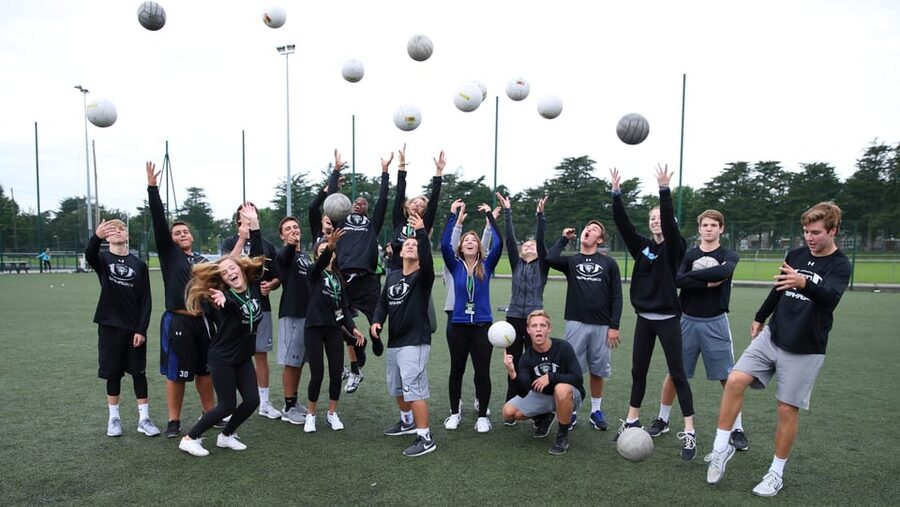
Dublin’s Gaelic Games Experience takes you beyond the usual pub-and-castle circuit and into one of Ireland’s most local traditions. At Na Fianna GAA Club, you learn why the Gaelic Athletic Association matters, then try hurling, Gaelic football, and handball on the pitch yourself. The session is active, but it is designed for ordinary people, not trained athletes.
I like the clear mix of culture and participation. The opening talk gives you useful context before you pick up a hurley, and the short bus ride from central Dublin makes this easy to fit into a city break. I also like the friendly, low-pressure spirit. You can get competitive, but the main point is to laugh, learn, and play together.
The main consideration is physical effort. It is gentle rather than extreme, but you will be moving, handling equipment, and possibly playing mini-matches. Children under five, pregnant women, and people with back problems or pre-existing medical conditions should not take part.
Key points at a glance
- Na Fianna GAA Club: Reach the venue in about 10 minutes from central Dublin by bus, with routes 4, 9, and 155 stopping across from the club.
- Three Irish sports: Learn and try Gaelic football, hurling, and handball during one three-hour session.
- Culture before competition: Start with the story, rules, video clips, and place of Gaelic sport in Irish life.
- Equipment supplied: Hurleys and other required equipment are included, along with water.
- All-ages approach: The activity suits a wide range of abilities, though it is not suitable for children under five or anyone advised to avoid gentle physical activity.
- Good value at $51: You get a cultural introduction, instruction, equipment, and a full half-day activity rather than a short photo stop.
Why Gaelic sport belongs on a Dublin itinerary
Many Dublin activities show you Ireland from the outside. This one lets you take part in something locals care about deeply. Gaelic football and hurling are not simply tourist attractions. They are part of community life across Ireland, with local clubs forming an important part of towns and neighborhoods.
The session begins by explaining that setting. You learn what Gaelic Games means, how the sports developed, and how matches work. Video clips help bring the subject to life, while the instructors explain the pride and passion tied to the GAA.
That introduction matters. Hurling can look fast and confusing if you first see it on television. Gaelic football has its own mix of carrying, kicking, hand-passing, and scoring. A short explanation gives you enough background to understand what you are about to try.
You do not need to arrive as a sports fan. The session works well if you are curious about Irish culture, traveling with children old enough to participate, or simply looking for something different from another guided walk. Sports fans get extra value because the session can make a televised match much easier to follow later.
Other Dublin days people line up beside this one:
- Dublin to Cliffs of Moher, including Wild Atlantic Way and Galway
★ 5.0 · 23,331 reviews - From Dublin: Cliffs of Moher, Burren & Galway City Day Tour
★ 4.8 · 18,888 reviews - Dublin: Guinness Storehouse Entry Ticket
★ 4.6 · 16,863 reviews
Reaching Na Fianna from central Dublin
Na Fianna GAA Club is on St Mobhi Road in Glasnevin, Dublin 9. It is about a 10-minute bus ride from the city center, which keeps the activity fairly simple to add to a Dublin day.
Bus routes 4, 9, and 155 stop directly across the road from the club. That is useful because you do not need to arrange a private transfer or find a remote rural venue. Transport to and from the club is not included, so you should allow time to pay for and catch your own bus.
When you arrive, go to the Experience Gaelic Games visitor center on the first floor of the clubhouse. The session ends back at this same meeting point, so you do not need to work out a separate return location after playing.
The club setting is part of the appeal. You are not watching a staged performance in a city-center room. You are visiting a working local Gaelic club, where the sports are presented in the setting they belong to.
The opening talk gives the games meaning
The first part is an indoor introduction to Gaelic Games. You hear about the history of the sports, their place in Irish life, and the basic structure of play. Video clips show the speed and excitement of the games before you attempt the skills yourself.
This is a good order for the day. You first learn why the sports matter, then get a chance to handle the equipment. By the time you reach the pitch, you have a rough idea of what you are trying to do and why the instructors are asking you to do it.
The tone is informative but relaxed. The session includes plenty of craic, the Irish word for fun, conversation, and good company. That matters if you are nervous about joining a sporting activity with strangers. You are not expected to understand every rule or perform like a county player.
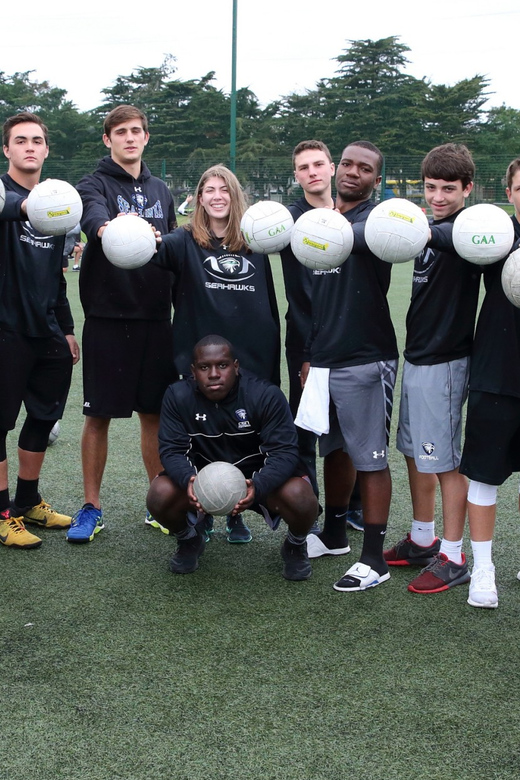
The talk also helps you see the difference between the sports. Gaelic football uses a round ball and combines kicking with hand-passing. Hurling uses a hurley and a small ball called a sliotar. Handball adds another change of pace and gives you a way to experience a different part of Gaelic sporting culture.
Hurling is the fast part of the afternoon
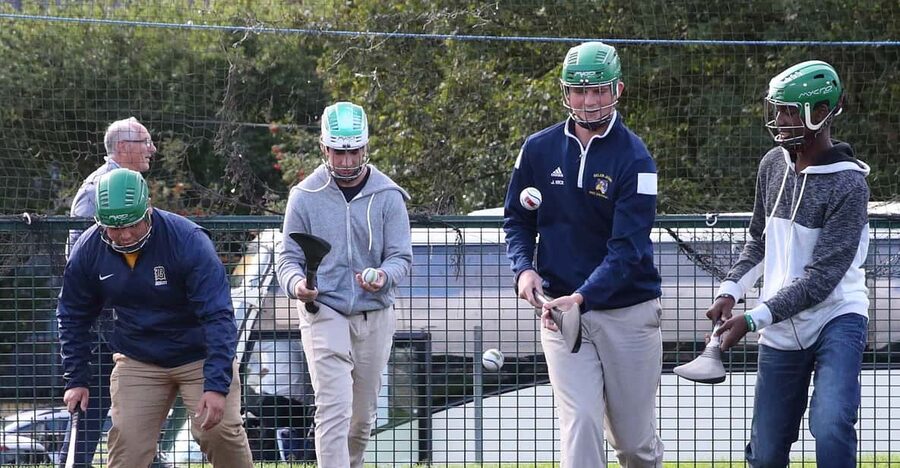
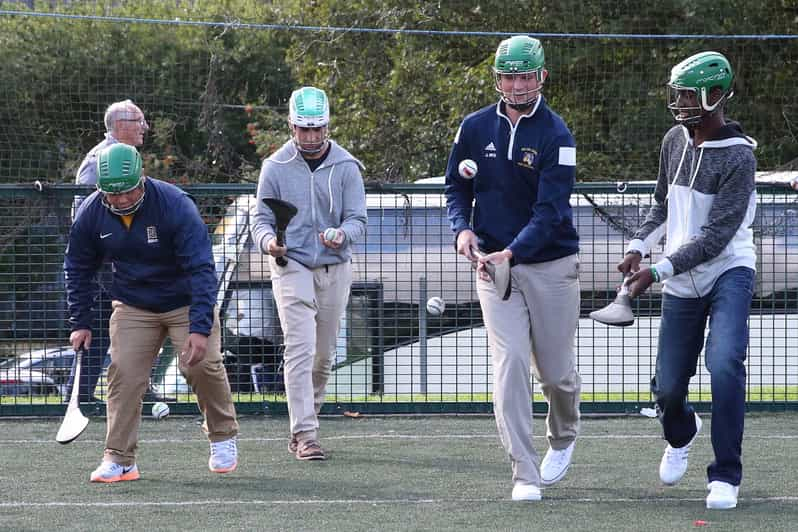
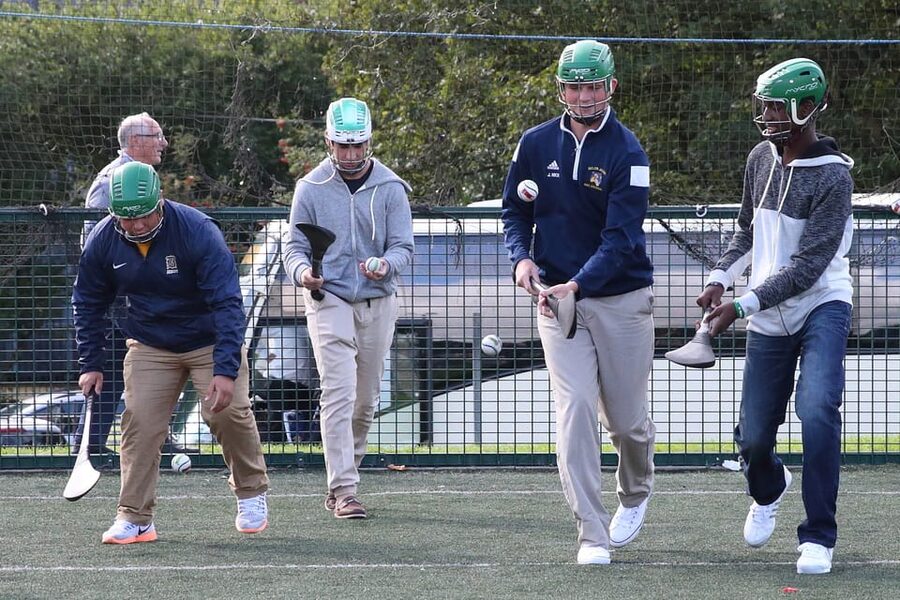
Hurling is often described as one of Europe’s oldest and fastest field sports. Even at an introductory level, you quickly see why. The hurley gives the activity a distinct feel, and controlling the ball takes coordination rather than brute strength.
You will be supplied with the necessary equipment, including hurleys. The instructors guide you through the basic movements and keep the pace suitable for the group. You should expect some misses. That is part of the fun, and nobody needs to arrive with previous experience.
For many people, hurling is the most memorable section because it is unfamiliar. The equipment, movement, and speed feel different from the sports most international visitors know. If you have watched the All-Ireland Final or seen hurling clips before, this is your chance to understand the sport with your own hands.
Wear flat, comfortable shoes. You do not need specialist sports gear, but trainers are a sensible choice. Casual clothing is acceptable, though sporting clothes are better if you plan to get involved fully.
A completely different kind of day out of Dublin:
- Dublin to Cliffs of Moher, Burren, Wild Atlantic Way, Galway Tour
★ 5.0 · 12,924 reviews - Dublin to Belfast Black Cab, Dunluce Castle and Giant’s Causeway
★ 5.0 · 7,954 reviews - Kilkenny, Wicklow Mountains & Glendalough Day Tour from Dublin
★ 5.0 · 7,897 reviews - From Dublin: Wicklow Mountains, Glendalough & Kilkenny Tour
★ 4.8 · 6,235 reviews
Gaelic football brings the group together
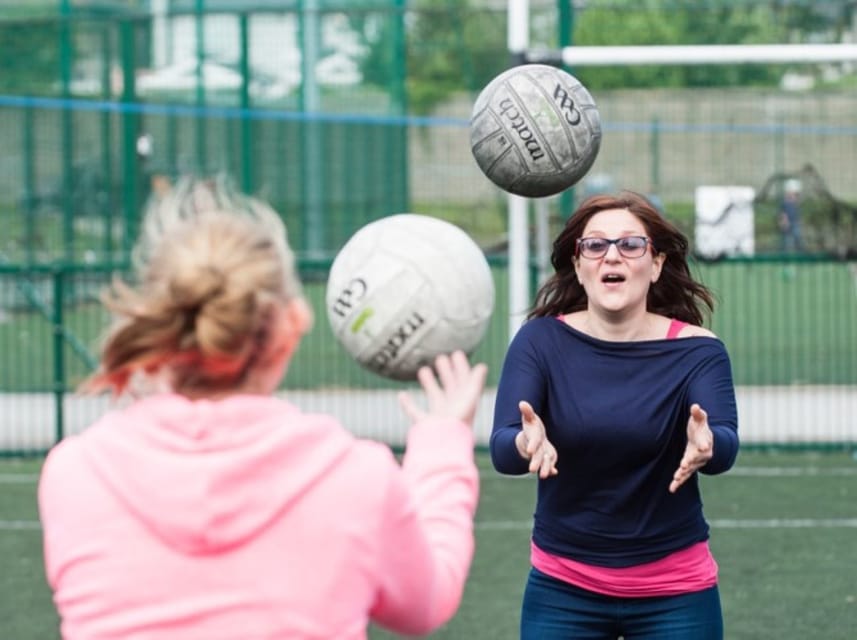
Gaelic football is likely to feel more familiar at first, but it has its own rules and rhythm. The session gives you a simple introduction before moving into team-based activities. You will work with other participants rather than train alone.
The team element is important. It gives the activity a social purpose and prevents the experience from feeling like a series of isolated drills. You may be learning a new skill, but you are also passing, moving, calling for the ball, and trying to understand what your teammates are doing.
Depending on the group, you will likely play mini-matches. These are intended to be fun and accessible, not serious contests. Still, bring a little competitive spirit. The instructions specifically suggest wearing sporting attire because the friendly games can become lively.
This is also the part most likely to appeal to families with older children and to groups of friends. Everyone has a role, and the rules can be introduced as you go. The activity is less about keeping score than getting involved, but a little competition helps people loosen up.
Handball adds a different kind of challenge
Handball completes the three-sport introduction. After hurling and Gaelic football, it gives you another way to see the range of activities connected with Gaelic Games.
The session is built around gentle team-building activities, so handball is not presented as a specialist lesson for experienced players. You get a chance to try it alongside the other sports and compare the skills involved.
That variety helps justify the three-hour length. You are not spending the whole time repeating one drill. The day moves from indoor context to outdoor activities, then across three different sports. If one sport feels awkward, another may suit you better.
The instructors adjust the session to the group. That is useful for mixed parties, where one person may be sporty and another may simply be willing to try something new. The aim is participation, not technical perfection.
What the three-hour format feels like
This is a half-day activity, not a quick demonstration. The three-hour schedule gives enough time for an introduction, instruction, practice, and team games without forcing every section into a rushed few minutes.
You should expect the day to alternate between listening and doing. The indoor section requires attention, but it is supported by video clips and practical context. The outdoor portion gets you moving and gives you repeated chances to try the basic skills.
The pace is described as gentle, though the group can become competitive during mini-matches. You should be comfortable with light physical activity and willing to sign a waiver confirming that you are taking part at your own risk.
Water is available, as are tea and coffee. Dressing rooms and showers are on site if you want to use them, but you need to bring your own towel and toiletries. That is a useful option if you are fitting the activity into a longer day, especially after playing outdoors.
Who will get the most from this activity
I would recommend this to anyone who wants a local cultural activity with more substance than a standard photo opportunity. It works especially well for:
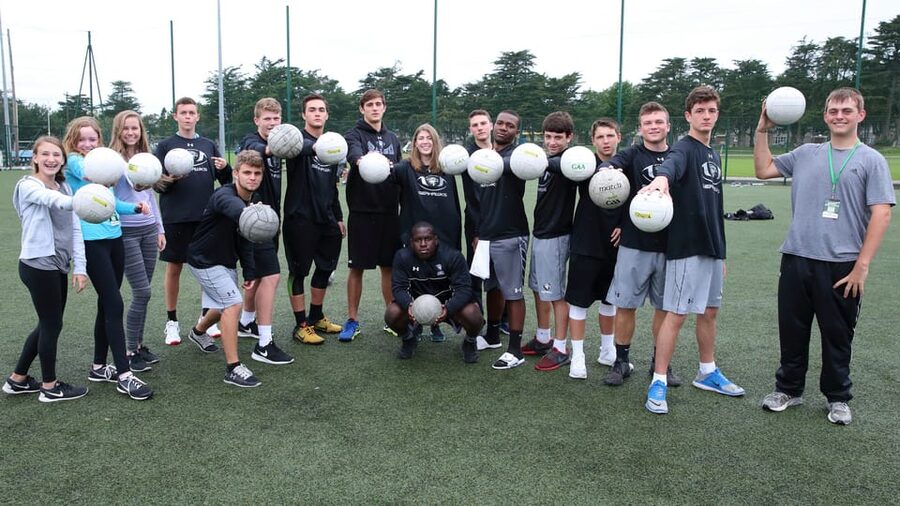
- Sports fans who want to understand Gaelic football or hurling
- Families with children aged five and older
- Couples and friends looking for a shared activity
- Visitors who want to meet Irish culture through participation
- People who have watched the All-Ireland Final and want a basic introduction
- Anyone happy with gentle exercise and a little friendly competition
The experience is not aimed at athletes alone. One participant was inspired to try Gaelic football after watching the All-Ireland Final, and this kind of session is a sensible starting point if you want to understand the sport before seeking out a club at home.
It can also suit people who do not think of themselves as sporty. The coaches explain the activities, provide the equipment, and keep the mood light. You need willingness more than skill.
Who should think twice before booking
The physical demands are modest, but they are real. You will stand, move, handle sporting equipment, and possibly play short matches. People with back problems or pre-existing medical conditions are advised not to take part, and the experience is not suitable for pregnant women.
Children under five cannot participate. Older children may enjoy it, but the session still includes instructions and active team exercises, so a very young or easily tired child may not get much from it.
Wheelchair access is listed for the experience. The activity itself takes place at the club and on an astro pitch, so anyone with specific mobility needs should consider how the pitch-based activities fit their needs before booking.
You should also be comfortable signing a waiver. It confirms that you are joining the gentle physical activities at your own risk.
Is $51 a fair price?
At $51 per person, the value depends on what you want from a Dublin activity. This is not the cheapest way to fill an hour, but it is a three-hour session that combines cultural explanation, instruction, several sports, equipment, and access to a local club.
You also avoid the cost of buying or bringing specialist gear. Hurleys and the other required equipment are provided, and water is included. Tea and coffee are available on site as well.
For me, the strongest value is the access to context. A match on television can show you speed and skill, but it does not explain how the sports fit into Irish community life. A walking tour can explain Irish history, but it usually does not give you a hands-on activity. This session covers both areas.
Transport is the one extra cost to remember. You pay for your own bus to St Mobhi Road, though the direct routes and short journey keep that part manageable.
Practical clothing and preparation tips
Wear comfortable clothes that let you move easily. Trainers or other flat shoes are required, and sporting attire is the better choice if you expect to join the mini-matches with energy.
Bring a face mask or protective covering, as this is listed among the items to bring. If you want to use the dressing rooms or showers, pack your own towel and toiletries.
You do not need to bring a hurley, ball, or other sporting equipment. Those items are supplied. Water is also available, though you may still prefer to carry a bottle for the journey to and from the club.
Alcohol and drugs are not allowed. The activity takes place in a sports-club setting, so arrive ready to listen, follow the instructors, and take part safely.
Booking flexibility and timing
The session lasts three hours, with starting times shown according to availability. Book early enough to get a time that fits your Dublin plans, especially if you are arranging other timed attractions.
A minimum booking number is needed for each session. If too few people book your chosen time, the operator may contact you to reschedule or offer a full refund. That is worth keeping in mind if your itinerary is tightly packed.
You can cancel up to 24 hours before the activity for a full refund. Reserve now and pay later is also available, which helps if you are still adjusting your Dublin schedule.
The instruction is in English. The experience has a rating of 4.9 from 20 reviews, and the strongest praise centers on the fun, the unusual format, and the chance to try Gaelic sport rather than simply hear about it.
Should you book the Gaelic Games Experience?
Book it if you want a lively introduction to Irish culture and do not mind getting active. The combination of local club setting, clear background, three sports, and friendly team play gives you something that a standard sightseeing tour cannot.
I would be especially keen to book this after watching Gaelic football or hurling on television. The session turns a fast, unfamiliar sport into something you can understand and enjoy. It is also a strong choice for families with older children and for friends who want one shared activity during a Dublin stay.
Skip it if you need a completely passive outing, have a medical reason to avoid light sport, or have too young a child in your party. For everyone else, $51 buys a genuine local activity, not just another look at Dublin from the sidelines.
FAQ
Where does the Gaelic Games Experience take place?
It takes place at Na Fianna GAA Clubhouse on St Mobhi Road, Glasnevin, Dublin 9. On arrival, go to the Experience Gaelic Games visitor center on the first floor.
How far is the club from central Dublin?
The club is about a 10-minute bus journey from Dublin city center. Bus routes 4, 9, and 155 stop directly across the road.
How long does the activity last?
The session lasts three hours. Starting times depend on availability.
Which sports will I try?
The session includes Gaelic football, hurling, and handball. You will learn about the sports before taking part in gentle team activities and possible mini-matches.
Is equipment provided?
Yes. Equipment, including hurleys, is included. Water is also provided.
What should I wear?
Wear comfortable clothing and flat, comfortable shoes. Sporting attire is recommended because the session includes active games.
Is the experience suitable for children?
Children under five cannot take part. The activity is suitable for a wide range of ages and abilities above that age, but it involves gentle physical activity.
Can I cancel for a refund?
Yes. You can cancel up to 24 hours in advance for a full refund. Reserve now and pay later is also available.
Just added around Dublin
- Wicklow: Private Day Tour from Dublin★ 5.0 · 5 reviews
- Wicklow Mountains Private Day Tour including Glendalough★ 5.0 · 7 reviews
- Women Of Ireland: Trailblazers & Pioneers★ 5.0 · 4 reviews
- Wicklow Mountains & Glendalough Luxury Private Day Tour★ 5.0 · 23 reviews
- Wicklow tour of Glendalough★ 4.5 · 8 reviews
- Dublin To Kilkenny Castle Waterford Crystal Private Car – Day Tour★ 5.0 · 8 reviews
- Waterford Crystal and Kilkenny Full-Day Rail Tour from Dublin★ 5.0 · 3 reviews
- Full Day Private Wicklow Tour★ 5.0 · 12 reviews