Reviewed · TOURS
Complete tour of Dublin in Italian
Dublin’s past comes alive through its odd stories on this Italian-language walking tour, from Viking beginnings to Molly Malone and Trinity College’s line between fact and legend. You move through the city center on foot, with time for photos, questions, and a short break.
I like the native-language guiding, especially for travelers who want more than a quick translation of dates and names. I also like the practical local advice on food, drinks, and live music, plus the attention given to less obvious corners of central Dublin. The main consideration is pace: eight stops in about three hours means most places are viewed from outside, and the tour is non-refundable once booked.
- Italian guides Elisa and Giulio bring history, anecdotes, and a friendly human touch to the walk.
- Viking Dublin gets proper attention, especially around Dublinia and Christ Church.
- Eight central stops cover the city’s major sights without charging separate admission.
- The meeting point is the Molly Malone Statue, with the walk ending in Temple Bar.
- Local food and music tips help you avoid paying too much in Dublin’s busiest nightlife area.
- A maximum of 30 people keeps the group manageable, though this is not a private tour.
Why this Italian walking tour works well
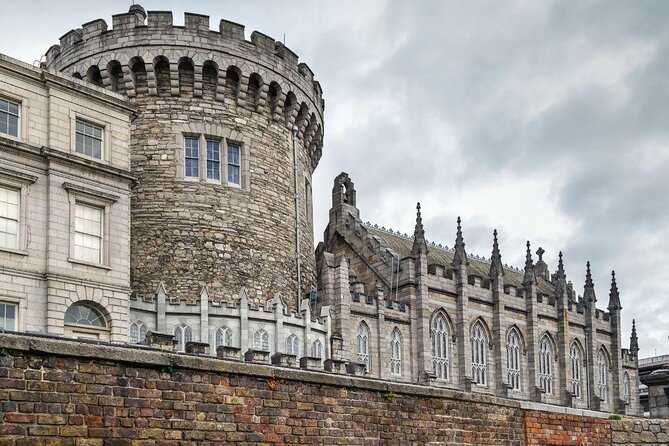
Dublin is easy to walk, but it is not always easy to understand. A church may look like a church, a bridge like a bridge, and a statue like a photo stop. The value here is having someone connect those sights to the city’s Viking origins, Norman rule, religious conflicts, folklore, and modern social life.
The tour costs $29.03 per person and lasts about three hours. That is a fair price for a guided orientation in your own language, especially since the walking route includes eight named stops and does not require separate entrance fees. You are paying mainly for explanation, organization, and local advice rather than admission tickets.
The experience is especially useful near the start of a Dublin stay. You get a sense of where the old center lies, how the main landmarks relate to one another, and where to return later. If you already know central Dublin well, the tour may feel less essential, but the Italian commentary and stories can still add something new.
The tour is limited to 30 participants. That is not a tiny group, yet it is far more workable than a large coach outing. You should expect to walk through busy streets, stop in public spaces, and listen while standing. Comfortable shoes are a sensible choice.
Meeting Molly Malone at the start
The walk begins at the Molly Malone Statue on Suffolk Street, Dublin 2. This is a practical central meeting point and gives the tour an immediate connection to one of Dublin’s best-known legends.
Molly Malone is linked to the famous song about a fishmonger who sold cockles and mussels. The tour uses her story to show how Dublin often mixes documented events with folklore. That theme returns later at Trinity College, where the guide asks you to consider how much of the city’s familiar story is fact and how much has been polished by tradition.
You should allow enough time to find the statue before the scheduled start. The supplied details confirm that the tour is close to public transportation, but no exact transit instructions are provided. Your mobile ticket is accepted on your phone, and booking confirmation is issued at the time of booking.
The tour provider is Senza Meta, also presented as La Dublino dei Dublinesi Tour in Italiano, or Inside Dublin walking tour. Guides named in the feedback include Elisa and Giulio. Elisa is described as prepared, helpful, and good at leading a relaxed city walk. Giulio is praised for patience, humor, and strong storytelling, and he even offered a sweet treat in the Liberties area on one occasion.
That last detail should not be treated as a guaranteed part of the tour. It does show the kind of personal touch you might find, though the listed inclusions promise guidance and advice rather than complimentary food.
Other Dublin days people line up beside this one:
- Dublin to Cliffs of Moher, including Wild Atlantic Way and Galway
★ 5.0 · 23,331 reviews - From Dublin: Cliffs of Moher, Burren & Galway City Day Tour
★ 4.8 · 18,888 reviews - Dublin: Guinness Storehouse Entry Ticket
★ 4.6 · 16,863 reviews
Temple Bar, Dublin’s famous nightlife quarter
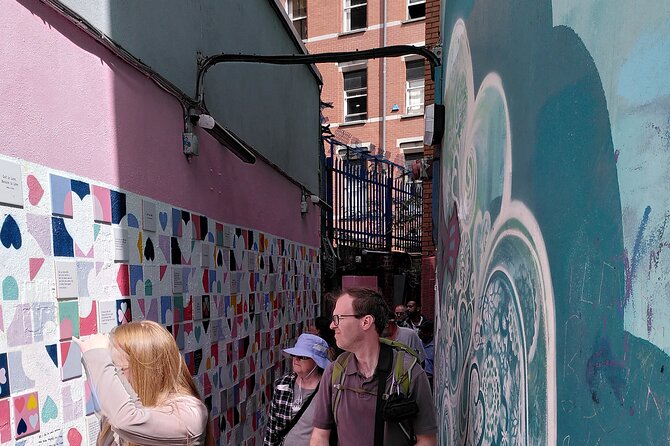
Temple Bar is the city’s best-known nightlife district, and it is included as a major part of the route. The area is useful for orientation, but it needs a little context. The colorful streets and pubs can be fun, yet prices here may be higher than elsewhere in Dublin.
This is where the guide’s practical recommendations matter. You are promised advice on places to hear music, eat, and drink without being overcharged. That can be more useful than another postcard view, especially if you plan to spend an evening in the district.
Temple Bar is also listed as the end point of the tour. That gives you a convenient choice after the walk: stay for food or music, or use the area as a central point from which to continue exploring. Since the route also includes several historic sights, the nightlife stop is not the whole focus of the experience.
The tour description includes roughly 20 minutes here. That is enough for an introduction, photos, and questions, but not enough for a full evening of pub time. Think of Temple Bar as a place you learn about during the walk, then explore on your own afterward.
Christ Church Cathedral and Dublin’s older layers
Christ Church Cathedral is covered from the outside, with about 20 minutes set aside for its history, legends, and unusual stories. The tour presents it as Dublin’s oldest Protestant cathedral, and the guide also uses the site to explain the city’s religious past.
An exterior visit has both advantages and limits. You can study the building, hear the story, and keep the walk moving without an entrance fee. On the other hand, you will not see the interior spaces during this tour. If the cathedral matters greatly to you, plan a separate visit, but do not assume admission is included here.
This stop is one of the better places for a guide to add value. A cathedral is not just an old building. Its meaning changes depending on who controlled Dublin, which faith was in power, and how the city developed around it. An Italian explanation can make those changes easier to follow than a quick sign in English.
You should also expect some legends. That is part of the tour’s approach. The guide does not present Dublin as a tidy sequence of dates. Instead, the walk looks at the stories people repeat, the odd details attached to famous places, and the uncertain line between record and tradition.
Dublin Castle and the Victoria Gardens
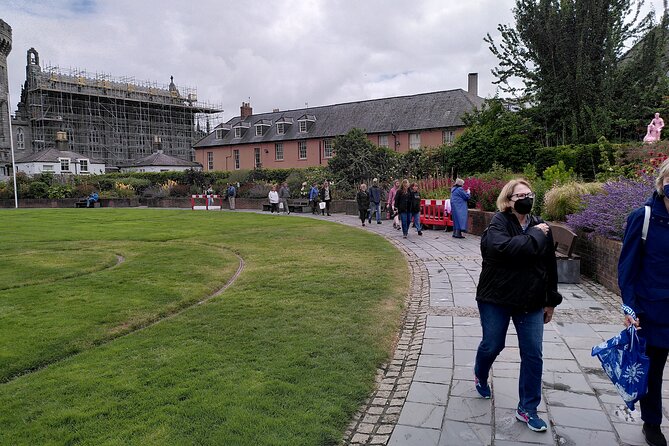
The next major stop is Dublin Castle, seen from the outside along with the Victoria Gardens. The visit lasts about 20 minutes and connects the site to Norman and Viking Dublin.
This is a strong history stop because the castle represents political power, while the nearby older landmarks help explain how Dublin grew. The guide’s task is not simply to point at walls. You will hear how the Normans and Vikings fit into the city’s early story and how those groups shaped Dublin’s identity.
The gardens add a change of pace. They offer a more open setting during a walk that otherwise moves through streets and built-up public spaces. Photo time is included, so you can pause rather than rush past every viewpoint.
Again, this is an exterior visit. The tour does not include entry to Dublin Castle, and the price does not cover paid attractions. That keeps the tour affordable, but you should budget separately if you want to explore the castle inside later.
A completely different kind of day out of Dublin:
- Dublin to Cliffs of Moher, Burren, Wild Atlantic Way, Galway Tour
★ 5.0 · 12,924 reviews - Dublin to Belfast Black Cab, Dunluce Castle and Giant’s Causeway
★ 5.0 · 7,954 reviews - Kilkenny, Wicklow Mountains & Glendalough Day Tour from Dublin
★ 5.0 · 7,897 reviews - From Dublin: Wicklow Mountains, Glendalough & Kilkenny Tour
★ 4.8 · 6,235 reviews
Dublinia and the Viking foundation
Dublinia receives a shorter stop of about 10 minutes, but its subject is central to the entire tour. Here you learn how closely Dublin’s story is tied to the Vikings who founded the city.
The stop is especially useful because visitors often think of Dublin mainly through literary, Georgian, or pub culture. The Viking connection reaches much further back. The guide places Dublin’s earliest identity into a larger story of settlement and trade, helping you understand why the city developed where it did.
Since the stop is brief and the description does not include entry, expect an outside explanation rather than a museum visit. If you want hands-on exhibits or a longer look at Viking and medieval life, you would need to arrange that separately. The walking tour gives you the framework, not a full museum session.
I like this balance. A city tour should help you see the shape of Dublin without asking you to spend the whole morning inside one attraction. Dublinia serves as a useful link between Christ Church, the castle, and the city’s earliest roots.
St. Patrick’s Cathedral and the saint behind it
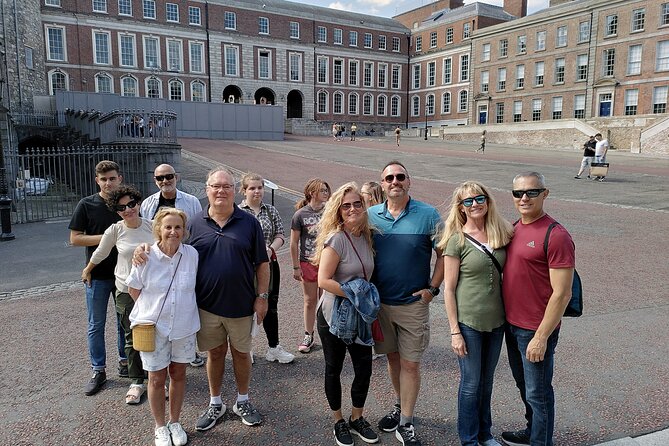
St. Patrick’s Cathedral gets around 10 minutes. The guide explains the cathedral’s history and legends, as well as the saint to whom it is dedicated.
This stop is more of an introduction than a full cathedral visit. You will hear why St. Patrick matters to Ireland and how the building fits into Dublin’s religious story. The shorter time also keeps the walking route moving toward the next central landmarks.
As with Christ Church, the tour does not list interior admission. You should not expect to walk through the cathedral as part of the $29.03 fee. The advantage is that you can decide later if you want to return for a longer visit, armed with enough background to make the interior more meaningful.
The pairing of Christ Church and St. Patrick’s is useful. Seeing both in one walk lets you compare two important religious landmarks without devoting your entire day to church visits. The guide’s legends also keep the subject from becoming a dry lesson in architecture.
Ha’penny Bridge and a quick riverside story
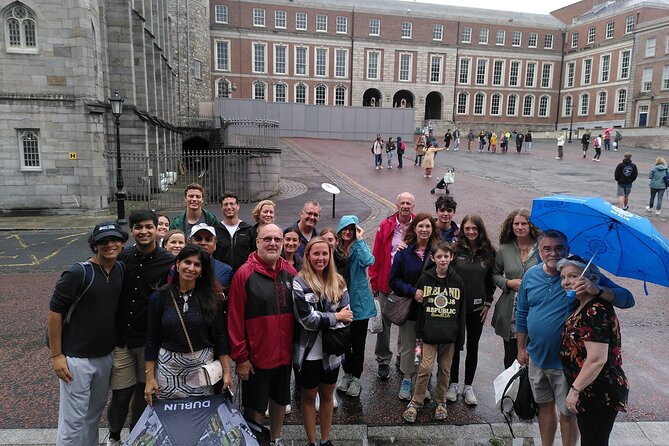
Ha’penny Bridge is the briefest stop, with about five minutes devoted to what makes Dublin’s most famous bridge unique. That short pause is enough for an explanation and photos, but you should not expect a long riverside talk.
The bridge is a small but effective change in the route. After churches, castles, and statues, you get a piece of everyday Dublin infrastructure with its own story. It also provides a clear visual marker between different parts of the city center.
Five minutes can feel rushed if the bridge is crowded or you want many photographs. Still, the stop works well as part of a three-hour overview. The guide is giving you a series of memorable reference points, not asking you to study each place at length.
Trinity College and the border between fact and legend
Trinity College Dublin closes the historic portion of the walk, with about 10 minutes devoted to Ireland’s oldest university, or perhaps to the question of how confidently that claim can be made.
The playful wording reflects one of the tour’s main ideas: Dublin’s most familiar stories are not always as simple as they sound. The guide uses Trinity College to explore that border between established fact and popular legend. This is a welcome approach because it encourages you to listen critically without taking the fun out of the story.
A ten-minute stop means you will receive an introduction rather than a full campus tour. You should not expect a visit to the Book of Kells or an extended look inside the college unless you arrange that separately. The tour gives you orientation and context, then leaves you free to return at your own pace.
For many people, Trinity is one of the places they most want to see in Dublin. A short guided explanation can help you decide if it deserves more of your schedule. It also brings the tour back to the theme of storytelling that began with Molly Malone.
What the three-hour timing really means
The listed stops add up to less than three hours, which is normal for a walking tour. The remaining time goes toward moving between places, taking photos, answering questions, handling group needs, and allowing a bathroom break.
You should expect a steady city walk rather than eight long visits. Some stops receive about 20 minutes, while others take only 5 or 10. The route is designed to give you a broad picture of Dublin’s center, not detailed access to every attraction.
The guide is expected to give all participants attention and help with practical needs. That can matter in a group of up to 30, especially when the walk crosses busy streets or the group pauses in crowded areas. Still, a group of that size may not feel as personal as a private tour.
The mobile ticket makes the experience simple to carry. You do not need to collect paper tickets for the listed stops because the tour is built around outdoor explanations. Coffee and tea are not included, so plan to buy those yourself if you want one during the break.
Who will get the most from this tour
I would recommend this walk most strongly to Italian-speaking visitors who want a clear first look at Dublin. It suits you if you enjoy history with legends, prefer a guide who can explain small details in Italian, and want practical advice for the rest of your stay.
It also works well for people who have only a short time in the city. In three hours, you see the city’s main historic themes and several recognizable sights without committing to a full-day excursion.
Families and mixed-age groups may appreciate the short explanations and changing locations, though the tour still involves walking and standing. Most people can participate, according to the supplied details, but specific accessibility information is not provided.
You may want something else if your main goal is entering Dublin Castle, Christ Church, St. Patrick’s Cathedral, or Trinity College. Those sites are introduced from the outside, and the tour fee does not include their admission. In that case, use this walk as an orientation, then return independently.
The non-refundable policy deserves attention before you pay. If you cancel or request a change, you do not receive a refund. The provider may cancel if the minimum number is not reached, in which case you are offered another date or experience, or a full refund.
Should you book Complete Tour of Dublin in Italian?
Book it if you want an affordable, Italian-speaking introduction to central Dublin, with a good mix of Vikings, churches, castles, legends, and practical nightlife advice. The strongest reason to choose it is not admission to famous sights. It is the chance to understand those sights in your own language while getting a useful sense of the city’s layout.
The guides Elisa and Giulio add a personal dimension, with Elisa praised for preparation and help, and Giulio noted for patience, humor, and a memorable sweet treat on one outing. Those details suggest a warm style, but the exact guide and any extra gesture are not guaranteed.
Skip it if you need a private tour, interior access, or a slow architectural study. For everyone else, $29.03 is a sensible price for three hours of organized walking and storytelling, provided you are comfortable with the firm cancellation policy and a group of up to 30 people.
FAQ
How long does the Dublin tour last?
The tour lasts approximately three hours, including the walking time between stops, explanations, photos, questions, and a bathroom break.
Where does the tour start?
The meeting point is the Molly Malone Statue on Suffolk Street, Dublin 2, D02 KX03, Ireland.
Where does the tour end?
The tour ends in Temple Bar, Dublin’s best-known nightlife neighborhood.
Is the tour conducted in Italian?
Yes. The experience is designed for Italian-speaking participants and is led by a professional Italian-speaking guide. Guides named in the supplied information include Elisa and Giulio.
Are entrance tickets included?
The listed stops are presented as outside visits, and admission tickets are not included. The price covers the guided walking experience rather than entry to the cathedrals, Dublin Castle, Dublinia, or Trinity College.
Can I cancel or change my booking?
No. The experience is non-refundable and cannot be changed for any reason. If the provider cancels because the minimum number of participants is not reached, you are offered another date or experience, or a full refund.
Just added around Dublin
- Wicklow: Private Day Tour from Dublin★ 5.0 · 5 reviews
- Wicklow Mountains Private Day Tour including Glendalough★ 5.0 · 7 reviews
- Wicklow Mountains & Glendalough Luxury Private Day Tour★ 5.0 · 23 reviews
- Wicklow tour of Glendalough★ 4.5 · 8 reviews
- Women Of Ireland: Trailblazers & Pioneers★ 5.0 · 4 reviews
- Dublin To Kilkenny Castle Waterford Crystal Private Car – Day Tour★ 5.0 · 8 reviews
- Waterford Crystal and Kilkenny Full-Day Rail Tour from Dublin★ 5.0 · 3 reviews
- Full Day Private Wicklow Tour★ 5.0 · 12 reviews
Tours, compared.

Cliffs of Moher, Burren & Galway City Day Tour
Read our review →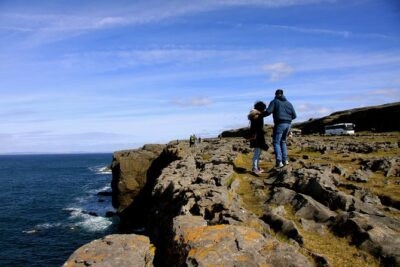
Dublin to Cliffs of Moher, Burren, Wild Atlantic Way, Galway Tour
Read our review →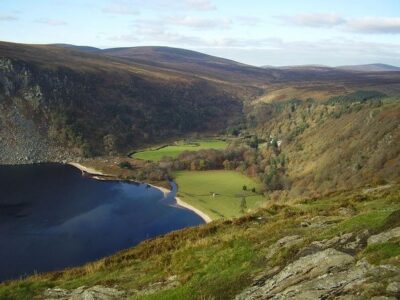
Kilkenny, Wicklow Mountains & Glendalough Day Tour from Dublin
Read our review →
Wicklow Mountains, Glendalough & Kilkenny Tour
Read our review →
Dublin Highlights and Hidden Gems Guided Walking Tour
Read our review →
Dublin to Glendalough, Wicklow and Kilkenny Full Day Guided Tour
Read our review →
Jameson Whiskey Distillery Tour with Tastings
Read our review →