
Reviewed · DUBLIN
Dublin Jewellery Forge a Hammered Silver Ring: Drury Street
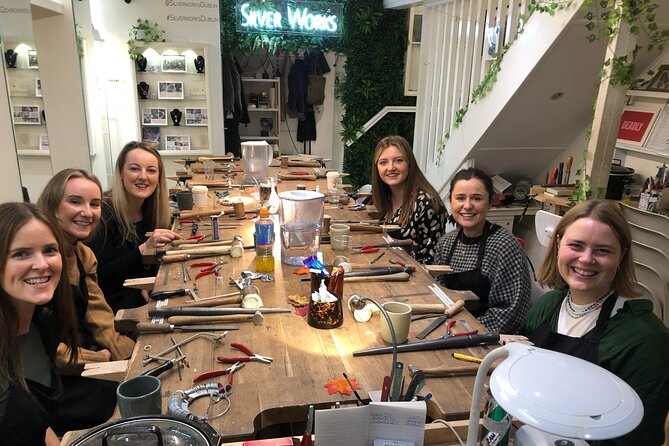
The best part of this Dublin activity is simple: you do not just buy a souvenir, you make one from raw silver. At Silver Works on Drury Street, you measure, cut, shape, texture, and finish a sterling silver ring with help from an instructor at every stage.
I like the hands-on pace and the personal choices. You decide which finger the ring fits, choose from three textures, shape the curve, and pick a rustic or fully polished finish. I also like the warm touches: coffee or tea, water, and plenty of chocolate while you work. The main catch is practical. The old buildings have stairs and no lift, and arriving more than 10 minutes late means you cannot join or reschedule.
Key points at a glance
- Make the ring from sterling silver: You start with silver strip and take it through the full process.
- Use real jewellery tools: A handsaw, mallet, ring mandrel, hand files, soldering equipment, and planishing hammers are part of the workshop.
- Choose your own finish: Pick from three textures and decide between an inside-only polish or a bright full polish.
- Small-group instruction: The class is designed for close guidance, with the advertised maximum varying between six and twelve people.
- A useful Dublin keepsake: You leave with a wearable ring rather than another mass-produced trinket.
- Plan your arrival carefully: The class starts at Silver Works, 24 Drury Street, and the late-entry rule is strict.
Making a Ring Instead of Buying One
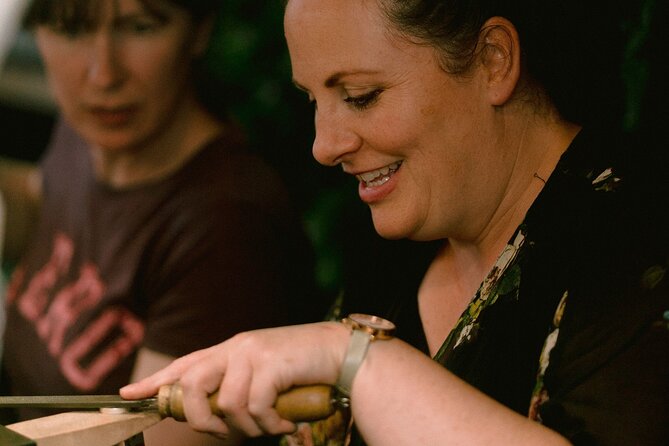
Dublin has no shortage of shops selling Irish jewellery. This workshop gives you a different kind of souvenir. You make a ring with your own hands, then wear it as a reminder of your time in Ireland.
The activity lasts about two hours. That is long enough to learn a real sequence of jewellery-making skills without turning the class into a full-day course. You receive a piece of sterling silver and work through each stage under instruction.
The setting is Silver Works at 24 Drury Street, Dublin, D02 V658. The activity begins and ends there. It is a central city meeting point, and the directions are meant to be easy to follow. Still, allow extra time. The staff do not admit anyone more than 10 minutes late, with no refund or new booking offered in that case.
The group size deserves a quick note. The main description presents the class as intimate, with a maximum of six, while the additional booking information lists a maximum of twelve. Ask when booking if the group size matters to you. Either way, the format is built around step-by-step help rather than a large sightseeing crowd.
Other Dublin days people line up beside this one:
- Dublin to Cliffs of Moher, including Wild Atlantic Way and Galway
★ 5.0 · 23,331 reviews - From Dublin: Cliffs of Moher, Burren & Galway City Day Tour
★ 4.8 · 18,888 reviews - Dublin: Guinness Storehouse Entry Ticket
★ 4.6 · 16,863 reviews
Measuring, Cutting, and Shaping the Silver
You begin by choosing which finger the ring is for and marking the silver to the right length. This is a small decision, but it gives the activity a personal start. You are not simply following a craft demonstration. You are making an object intended for your own hand, or for someone close to you.
Next comes the handsaw. You cut the silver to size, then use a mallet and ring mandrel to bend it into a ring shape. The work is direct and physical, but it is not presented as a test of strength. The instructor shows you how to use the tools and helps keep the process controlled.
This stage is where the class feels most different from a standard craft souvenir. You are not decorating a finished item. You are helping create the form itself. The marks and small choices made here become part of the finished ring.
If you are making rings as a couple, with family, or for an anniversary, this shared process has real value. Each person follows the same basic steps, but the finished rings do not need to look identical. The activity has been used for birthdays, Christmas presents, family visits, and a 30th wedding anniversary.
Watching the Soldering, Then Filing Your Own Shape
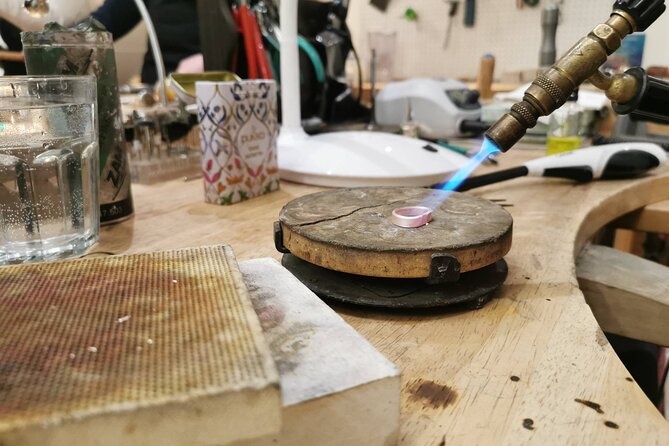
Once the silver has been formed, an expert instructor solders the join in front of you. You do not handle that part alone. The instructor explains what is happening as the metal is joined, which makes the technical step easy to follow without making the class unsafe or confusing.
After soldering, you work with several hand files. This is where you can change the curve and soften the edges. The shape of the ring may look like a small detail, but it has a clear effect on the final result. A flatter curve gives a different feel from a more rounded one.
I like this part because it gives you room to make a choice without requiring prior jewellery skills. You are not expected to arrive knowing how to file silver. The instructors show you what to do, then help when you need a correction or a second opinion.
The teaching style is a strong point. Instructors named in class feedback include Lucy, Luke, Kate, Holly, and Trish, though your tutor will depend on the date. The consistent theme is patient, friendly instruction. You can ask questions as you go rather than trying to remember a long demonstration all at once.
Three Textures and Two Very Different Finishes
The most creative stage comes when you use a planishing hammer. You choose from three different textures, then hammer the surface to create the look you want. This is not random decoration. The force and pattern of the hammer give the silver a distinct character.
A light texture can look subtle. A stronger pattern creates a more obviously handmade ring. The point is not to produce a flawless factory surface. The small variations are part of the charm, and they make each piece personal.
You also choose the polish. One option leaves the outside with an artistic, rustic look while polishing only the inside for comfort. The other gives the entire ring a brighter, glittering finish.
That choice matters if you know how you plan to wear it. The rustic finish suits someone who likes visible marks and a less formal look. The full polish is the safer choice if you want maximum shine. You are not locked into one standard design, which makes the finished souvenir feel less generic.
Some class descriptions refer to different ring styles, including Claddagh rings. If a particular style matters to you, confirm the exact design before paying. One booking note makes clear that the ring style was not obvious enough during the reservation process. The workshop still offers choices, but you should not assume every session makes the same model.
A completely different kind of day out of Dublin:
- Dublin to Cliffs of Moher, Burren, Wild Atlantic Way, Galway Tour
★ 5.0 · 12,924 reviews - Dublin to Belfast Black Cab, Dunluce Castle and Giant’s Causeway
★ 5.0 · 7,954 reviews - Kilkenny, Wicklow Mountains & Glendalough Day Tour from Dublin
★ 5.0 · 7,897 reviews - From Dublin: Wicklow Mountains, Glendalough & Kilkenny Tour
★ 4.8 · 6,235 reviews
What the Two Hours Feel Like
The work moves in a clear order: measure, cut, form, solder, file, texture, and polish. Your instructor demonstrates each task, then lets you do the work. That keeps the class active without leaving you to guess.
Some groups finish in about an hour and a half, even while working at a relaxed pace. The advertised time is approximately two hours, so do not plan a tight connection or a fixed appointment immediately afterward. The class can move faster or slower depending on the group and the amount of help each person needs.
The atmosphere is casual. Coffee, tea, water, and chocolate are included, which is a welcome touch in a small workshop where you are concentrating on tools and metal. These extras do not change the core value of the class, but they make the session feel more comfortable.
You should expect a working studio rather than a grand visitor attraction. The premises are in two old period buildings with plenty of stairs. There is no lift, and the buildings are not wheelchair accessible. Service animals are allowed, and most people can take part, but the stairs are an important consideration.
Children under 10 cannot join. Anyone under 16 must be accompanied by a paying adult. This makes the class a better fit for older children, teenagers with adult supervision, couples, friends, and families who want a shared project.
Is $104.05 a Fair Price?
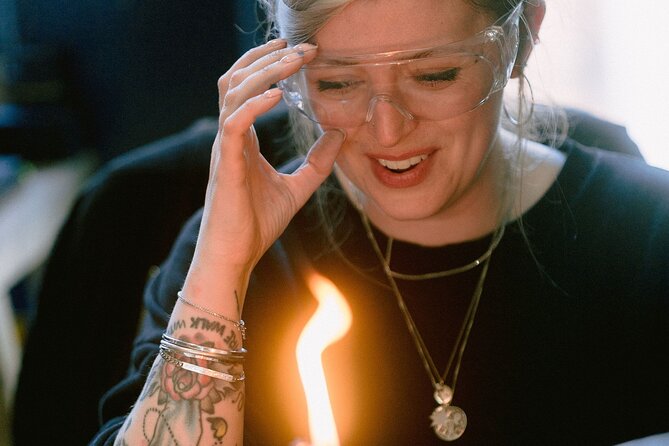
At $104.05 per person, this is not the cheapest activity in Dublin. It is also not merely a short demonstration. Your price includes the sterling silver, instruction, use of the tools, refreshments, and the ring you make.
The strongest value comes from the lasting souvenir. A standard Dublin gift may sit on a shelf. This one is sized, textured, and finished by you, and it can be worn every day. Several people have kept wearing their rings regularly, and one noted that the ring had not broken or tarnished.
That does not mean the result will look like a high-end jeweller’s custom piece. You are learning in a short workshop, and the handmade marks are part of the design. If you want perfect symmetry or a complex setting, this is not the right purchase. If you want an affordable piece of sterling silver with a story attached, the price makes more sense.
Compared with similar craft classes that charge nearly twice as much, the cost is reasonable for the materials and finished item. The value is also higher for a couple or family because the activity gives you time together as well as something to take home.
Who Will Enjoy Silver Works on Drury Street?
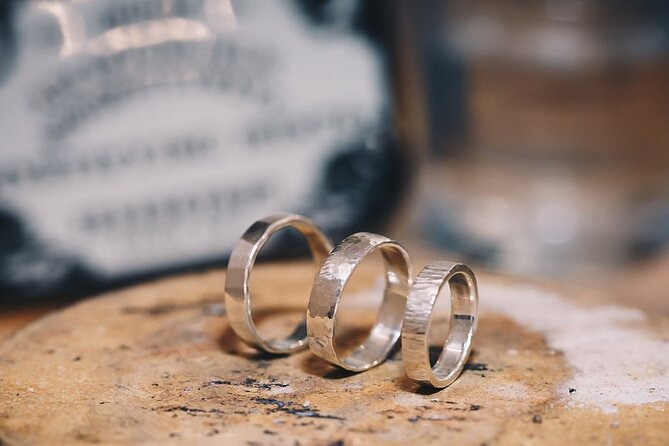
I would choose this for anyone who prefers doing something over simply looking at things. It is especially good for:
- Couples looking for a hands-on date
- Parents and older children
- Friends who want a shared Dublin memory
- Anyone marking an anniversary or special occasion
- Visitors who want a wearable Irish souvenir
- First-time jewellery makers who like clear instruction
The activity also suits people who do not see themselves as crafty. You do not need to know how to solder, file, or use a planishing hammer before arriving. The process is broken into manageable steps, and the tutors provide help throughout.
It may not suit you if you dislike close workshop settings, have difficulty with stairs, need luggage storage, or want a flexible arrival time. The studio cannot store luggage, and the 10-minute late rule is firm. Under-10s cannot take part, so this is not a good option for families with very young children.
Practical Details Before You Book
The meeting point is Silver Works, 24 Drury Street, Dublin, D02 V658. The activity ends at the same location, so you do not need to arrange a separate return transfer.
A mobile ticket is provided, and the class is offered in English. Confirmation is sent when you book. The location is near public transport, but you should still allow time to find the building and get settled.
Book at least a few weeks ahead if your schedule is fixed. The activity is booked around 49 days in advance on average, which suggests that popular dates can fill before a Dublin trip begins.
Cancellation is free up to 24 hours before the local start time. Inside that window, the cost is not refunded and changes are not accepted. That policy is standard enough, but the late-arrival rule is stricter than many city activities, so put the start time in your daily plan with a generous buffer.
Should You Book This Dublin Ring-Making Class?
Yes, if you want a souvenir with a story and enjoy learning by doing. The class gives you real tools, plenty of guidance, several design choices, and a finished sterling silver ring to take home. Its strongest qualities are the patient teaching, the chance to personalize the texture and polish, and the fact that the keepsake is genuinely yours.
Before booking, confirm the ring style and check the group-size details if those points matter. Make sure everyone in your party can manage the stairs, and arrive early. If you do those things, this is a smart use of two Dublin hours and a far more personal memento than another item picked from a shop window.
FAQ
Where does the ring-making activity take place?
It takes place at Silver Works, 24 Drury Street, Dublin, D02 V658, Ireland. The activity also ends at the same meeting point.
How long does the workshop last?
The workshop lasts approximately two hours. Some sessions may finish in about an hour and a half, depending on the group’s pace.
What is included in the price?
The price includes sterling silver for your ring, instruction, use of the workshop equipment, and coffee or tea with chocolate. Water is also available at the studio.
What kind of ring will I make?
You will make a sterling silver ring from scratch. You choose the finger size, shape the ring, select from three textures, and choose the final polish. If you want a specific design, confirm it before booking because the exact style may not always be clear in advance.
Do I need jewellery-making experience?
No. The instructor explains each step, demonstrates the tools, and helps you throughout the process. You will use equipment such as a handsaw, mallet, ring mandrel, hand files, and planishing hammer.
Can children join the workshop?
Children under 10 cannot take part. Anyone under 16 must be accompanied by a paying adult.
Is the workshop wheelchair accessible?
No. The activity takes place in two old period buildings with plenty of stairs and no lift. The buildings are not wheelchair accessible.
What happens if I arrive late?
If you arrive more than 10 minutes late, you will not be admitted. You will not receive a refund or be allowed to reschedule, so plan to arrive early.
Just added around Dublin
- Wicklow: Private Day Tour from Dublin★ 5.0 · 5 reviews
- Wicklow Mountains Private Day Tour including Glendalough★ 5.0 · 7 reviews
- Wicklow Mountains & Glendalough Luxury Private Day Tour★ 5.0 · 23 reviews
- Wicklow tour of Glendalough★ 4.5 · 8 reviews
- Women Of Ireland: Trailblazers & Pioneers★ 5.0 · 4 reviews
- Dublin To Kilkenny Castle Waterford Crystal Private Car – Day Tour★ 5.0 · 8 reviews
- Waterford Crystal and Kilkenny Full-Day Rail Tour from Dublin★ 5.0 · 3 reviews
- Full Day Private Wicklow Tour★ 5.0 · 12 reviews